

Indian Catholic Sisters Train in Social Research to Strengthen Evidence-Based Ministry

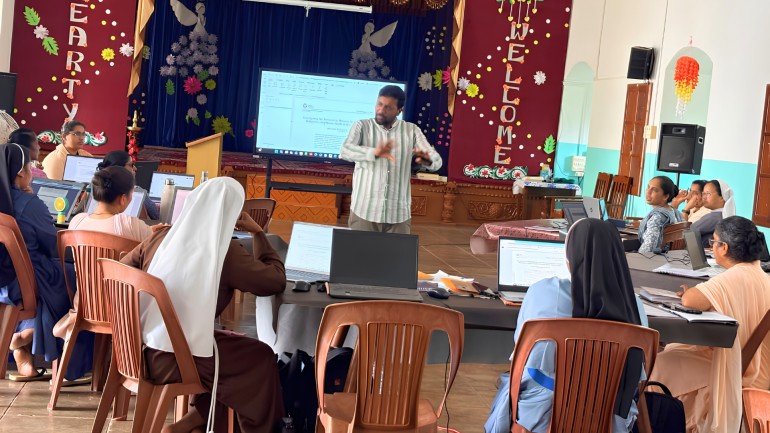
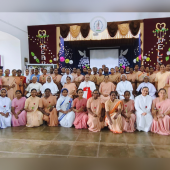
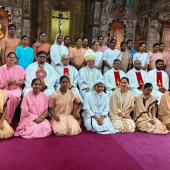
Twenty-one Catholic religious sisters, major superiors and students completed a 10-day certificate course in religious and social research in western India, equipping them with research skills to better understand social challenges and guide their congregations’ ministries.
The Conference of Religious Women in India (CRWI), through its Centre for Research on Religious India (CeRRI), organized the course at Institute Mater Dei in Old Goa from October 5 to 14.
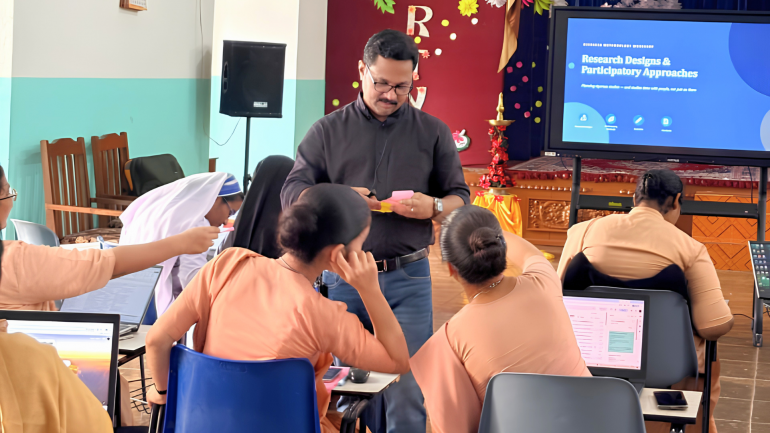
The training covered research methods, literature reviews, proposal writing, research ethics, data management, analysis, academic publishing and the responsible use of artificial intelligence (AI). Participants also developed research proposals related to religious life and social ministry.
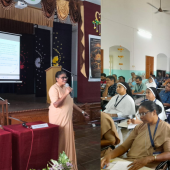
Fr. Paul Pudussery, CSC, lead researcher at CeRRI, urged the sisters to move beyond consuming information to critically evaluating ideas and producing knowledge. He challenged participants to ask “So what?” of their research questions to establish their significance and supporting evidence.
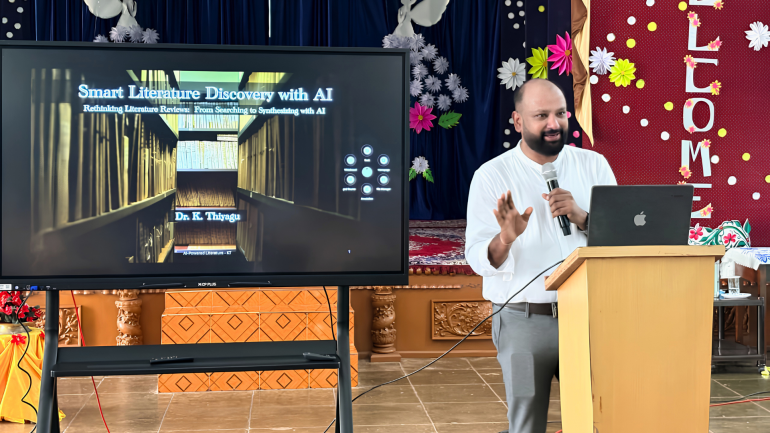
Dr. K. Thiyagu, associate professor at the Central University of Karnataka, addressed the use of AI in scholarly research, including literature searches, reference management and the development of research instruments. He encouraged participants to retain independent judgment and responsibility when using technology, summing up his approach as “Me First… AI Next… Me Best.”
Dr. Sudhesh N. T., head of the Department of Psychology at CHRIST (Deemed to be University) in Bengaluru, explained research design as the blueprint of a study. His sessions addressed feasibility, originality, data analysis and research ethics, emphasizing informed consent, voluntary participation, confidentiality, human dignity and shared decision-making.
Dr. Patrick Jude L., assistant professor at CHRIST, introduced qualitative and mixed-methods research, interviews, focus group discussions, thematic analysis, academic writing and publishing. He encouraged participants to turn curiosity into research questions and reminded them, “Be inspired by AI, not controlled by AI.”
Sr. Molly Mathew, MSMHC, executive director of CRWI, said the initiative was developed to help women religious study emerging social realities systematically and make informed decisions. It followed a symposium held in Bengaluru on May 6 and 7 that highlighted the need for stronger research within women’s religious congregations.
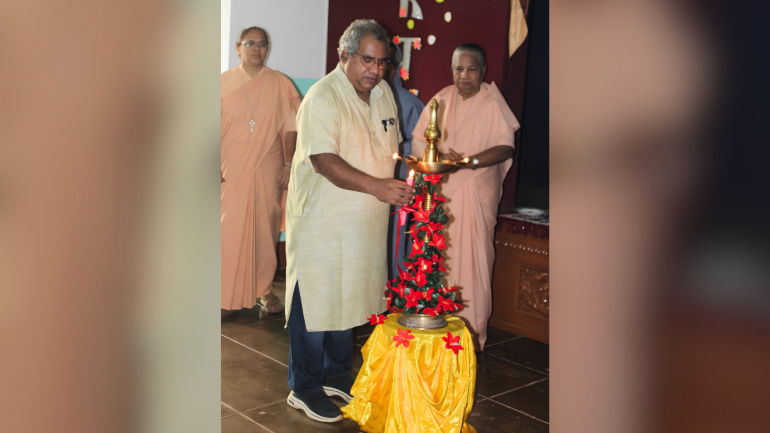
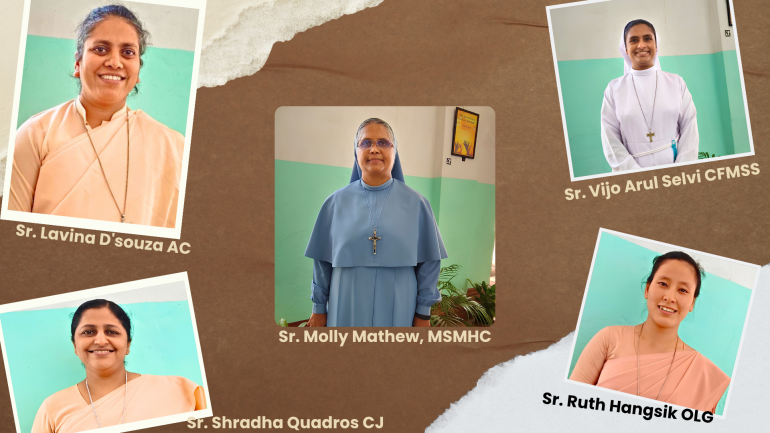
Sr. Vijo Arul Selvi, CFMS, research coordinator at CeRRI, said the course aimed to build sisters’ confidence in research through practical training, mentoring and collaboration. She cited studies identifying varying stress levels among religious sisters in different ministries as an example of how research can help major superiors identify needs and plan appropriate responses.
Participants also described how the training could influence their ministries. Sr. Ruth Hangsik, OLG, said the course strengthened her understanding of research objectives, hypotheses, sampling and ethics, increasing her confidence to pursue her own research project.
Sr. Shraddha Quadros, CJ, said research could help religious congregations recognize changing needs and renew their service to the Church and society. Sr. Lavina D’Souza, AC, said the training encouraged her to use research to understand social challenges, promote justice and improve people’s lives.
After the course, participants are expected to develop research portfolios through further workshops and mentoring. Eligible candidates may also pursue a six-month supervised apprenticeship and advanced research opportunities at CeRRI, with a proposed service commitment of at least three years.
Organizers said the initiative seeks to strengthen evidence-based decision-making in religious formation, community life, education, health care and social outreach, helping Catholic sisters translate research into more effective service.
Radio Veritas Asia (RVA), a media platform of the Catholic Church, aims to share Christ. RVA started in 1969 as a continental Catholic radio station to serve Asian countries in their respective local language, thus earning the tag “the Voice of Asian Christianity.” Responding to the emerging context, RVA embraced media platforms to connect with the global Asian audience via its 21 language websites and various social media platforms.
Latest News