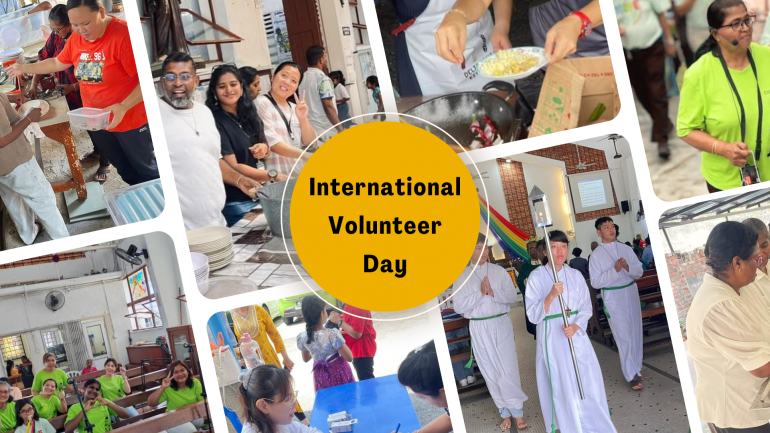
International Volunteer Day, observed every year on December 5, invites us to recognise the countless individuals who give themselves generously for the good of others. For the Church, this day is more than a celebration; it is a moment to pause, reflect, and rediscover the meaning, beauty, and necessity of service.
My own introduction to church volunteering began in a small chapel in one of the barangays of Candon, Ilocos Sur. My grandmother and parents brought me along whenever the chapel needed preparing for Mass or feast days. As a child, I would cut flowers from our garden and arrange them in small jars for the offertory. As I grew older, I took responsibility for the altar during Lent, joined the youth ministry, and eventually became a lector.
Today, living in Malaysia, I am grateful to be part of the Jubilee team welcoming pilgrims to the Church of the Immaculate Conception in Port Dickson. Through every phase of life, in every community I have encountered, the generosity of ordinary people offering their time and faith remains the same. With priests stretched thin and resources limited, volunteers are no longer simply “helpers”; they are essential partners in fulfilling the Church’s mission.
Many Faces of Church Volunteerism
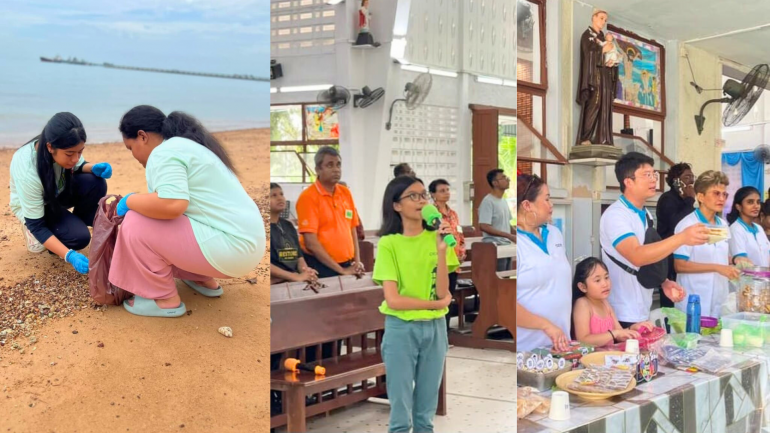
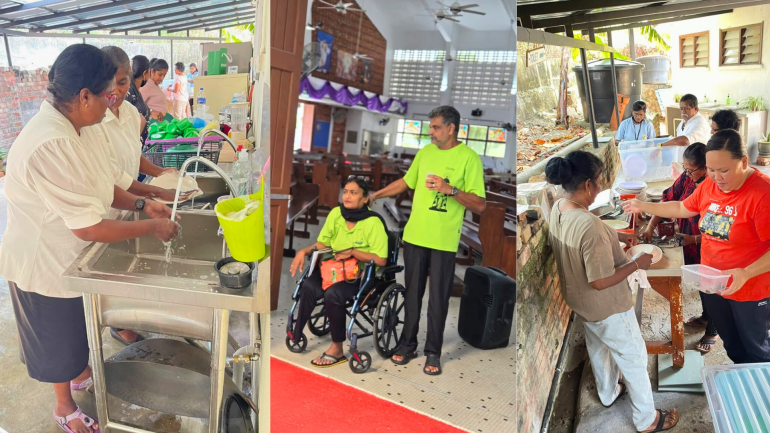
Church volunteerism is rich and diverse, reflecting the vastness of the Church’s ministries. Liturgical volunteers, lectors, altar servers, choirs, commentators, ushers, and extraordinary ministers of Holy Communion shape the prayerful rhythm of community worship. Their presence ensures that the liturgy is celebrated with reverence, unity, and beauty. Behind them are the often unseen yet indispensable individuals: sacristans, cleaners, gardeners, decorators, and administrative assistants who keep parish life running smoothly.
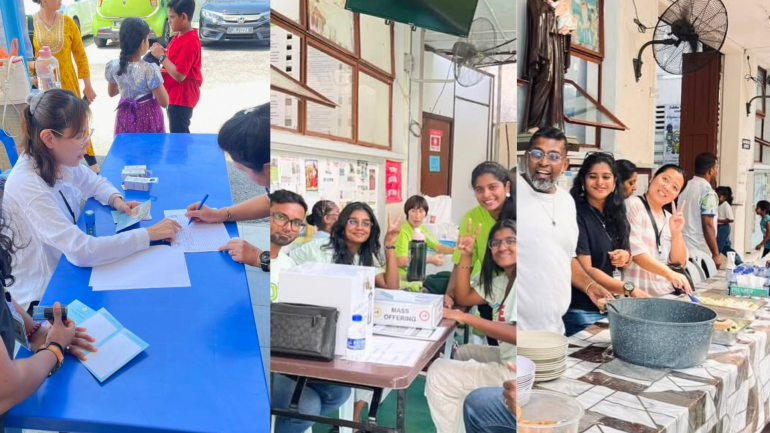
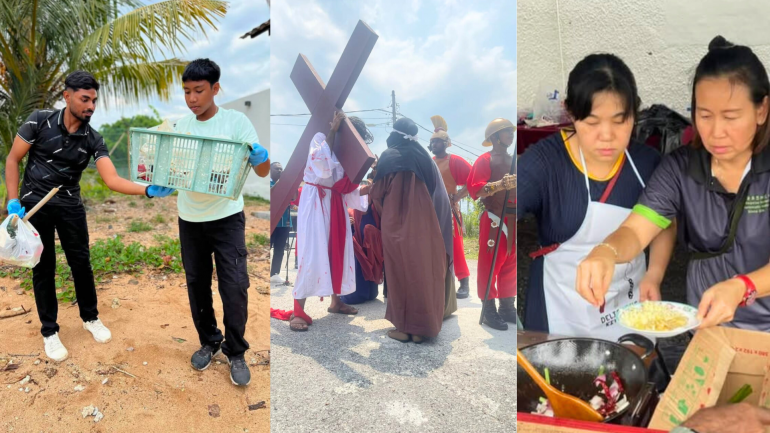
Beyond the church walls, ministries of compassion animate the Gospel in concrete ways: feeding the hungry, organising outreach programmes, visiting the elderly and sick, counselling families, supporting migrants, mentoring youth, advocating for justice, and caring for creation. Every task, whether public or hidden, forms a mosaic of service that keeps the Church alive and active. Each volunteer echoes Christ’s call to love, transforming ordinary acts into extraordinary witnessing.
This commitment is especially vital as parishes face declining participation in religious occasions. Processions, novenas, parish feasts, and even weekly liturgies have experienced reduced attendance due to urban migration, secular influences, shifting work schedules, and the lingering social effects of the pandemic. Yet volunteers remain the guardians of these cherished traditions. They decorate churches, gather donations, prepare music, coordinate logistics, and creatively engage the young. Through their dedication, cultural and spiritual traditions are not merely preserved but renewed, offering communities a sense of rootedness and continuity.
Volunteerism and the Synodal Spirit
When Pope Francis called the Church to embrace synodality, he envisioned a community that listens, collaborates, and shares responsibility. Volunteerism is one of the clearest expressions of this synodal spirit. Volunteers serve not for prestige or obligation, but through discernment, love, and a sincere desire to contribute to the life of the Church.
This collaborative spirit was evident when my daughter received her First Holy Communion. Parents were deeply involved: organising a camp, preparing the children for confession, and practising with them. We were not merely dressing our children for the sacrament; we were journeying with them, creating an experience rooted in faith and shared responsibility. Moments like these reveal how volunteerism creates spaces where relationships deepen, generations interact, and communities rediscover a sense of belonging.
Today, however, the Church must also confront a growing consumer mentality, where people approach the parish as receivers of services rather than co-builders of mission. Volunteerism counters this trend by inviting the faithful to move from passive attendance to active co-responsibility.
The spiritual fruits of volunteering further deepen this synodal vision. Service forms mature missionary disciples, cultivates virtues such as patience and humility, and strengthens relationships within the parish. Volunteers often testify that their faith grows more deeply through the messy, meaningful work of the ministry. Service becomes prayer in action, an encounter with Christ in those served and those who serve.
Towards the Future
In a fragmented world, volunteers are beacons of hope. Through their generosity, solidarity, and compassion, they make God’s mercy visible and tangible. Parish outreach, often entirely volunteer-driven, reduces loneliness, offers companionship, feeds the hungry, supports families, and restores dignity. Their service extends the mission of the Church far beyond the parish compound.
Looking ahead, the need for volunteers will only grow. Many dioceses face priest shortages, aging populations, and financial constraints. Rather than seeing these as burdens, the Church can embrace these as opportunities. When volunteers are welcomed, trained, and appreciated, parishes become more vibrant: Mass attendance increases, ministries expand, families feel connected, and the community bonds deepen. Service naturally inspires more service, creating a ripple effect that renews the parish’s life.
However, sustaining volunteerism requires intentional effort. Volunteers need proper formation, clear expectations, healthy boundaries to avoid burnout, and supportive leadership from the clergy. A culture of appreciation is essential, not through grand gestures but through consistent acknowledgment of their sacrifices and contributions. Without such support, even the most dedicated individuals may feel fatigued or discouraged. The Church must therefore cultivate an environment where volunteers feel valued, accompanied, and empowered.
This International Volunteer Day invites every parish to reflect on how it cares for its volunteers. How are we nurturing a synodal culture where every member feels welcomed to share their gifts? What systems need renewal to ensure ministries remain life-giving? These questions shape the future of volunteerism.
Church volunteers are not merely helpers; they are partners in mission, bearers of tradition, and living witnesses of Christ’s love. Their quiet, faithful service holds together the fabric of parish life in ways often unseen yet deeply felt. Their generosity is a gift to the Church, to society, and to God. And its impact continues long after any task is completed, shaping communities and hearts for generations to come.