

122 Catholic Communicators Gather in South Vietnam, Urge Human Dignity in the Age of AI

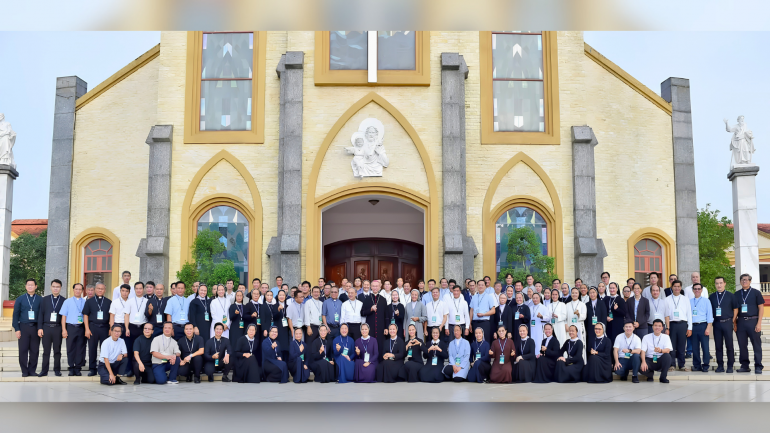
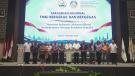
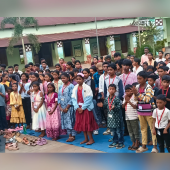
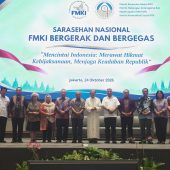
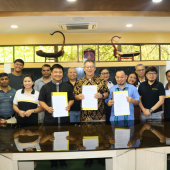
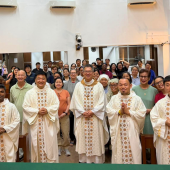
Catholic communicators from 27 dioceses in Vietnam called for greater attention to truth, human dignity, and ethical responsibility in digital media during the 2026 Social Communications Pastoral Gathering held October 20–22 at Xuan Loc Bishop’s House in southern Vietnam.
The three-day gathering brought together 122 participants, including Bishop Dominic Nguyen Tuan Anh, chairman of the Committee for Social Communications of the Catholic Bishops’ Conference of Vietnam (CBCV), clergy, religious, seminarians, and laypeople to discuss the Church’s communication mission amid the rapid development of artificial intelligence (AI) and digital technology.
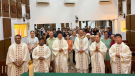
The gathering opened with a Mass presided over by Bishop John Do Van Ngan of the Diocese of Xuan Loc, which hosted the event.
In his homily, Bishop Nguyen Tuan Anh said Catholic communication must go beyond transmitting information and measuring success through online engagement.
“Under the light of the Gospel, communication is not merely about transmitting information or measuring success through the number of interactions and likes, but about encounter, understanding, and self-giving in love according to the example of Jesus Christ,” he said.
Bishop Nguyen Tuan Anh reflected on the Holy Spirit’s coming upon the disciples, transforming their fear into a mission of peace and witness. He said Pentecost showed how differences could become bridges of communion, contrasting this with the division associated with the Tower of Babel.
Bishop Peter Nguyen Van Kham delivered a presentation on Magnifica Humanitas, examining the Church’s communication mission in a rapidly changing technological environment.
Participants also attended specialized sessions on safeguarding human dignity amid technological advances and discussed challenges facing Catholic communicators, including fake news, divisive online content, and the misuse of AI.
Using the method of “Conversation in the Spirit,” delegates met in small groups to share experiences, listen to one another, and identify practical responses to emerging challenges.
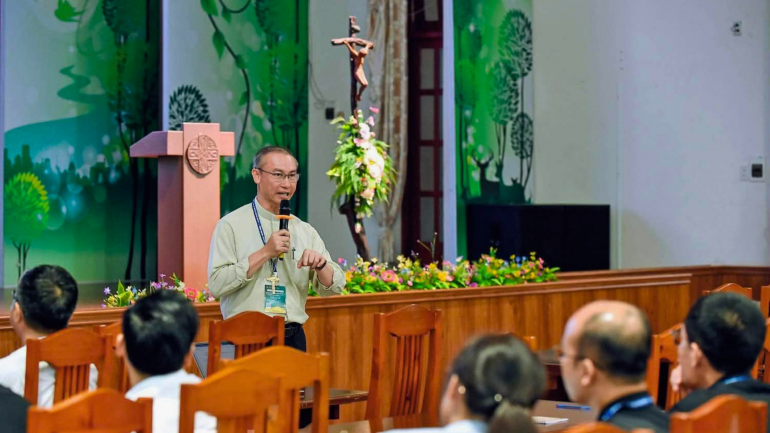
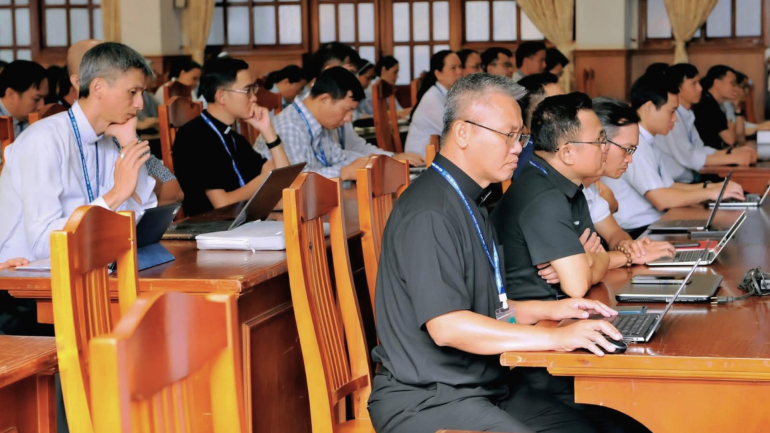
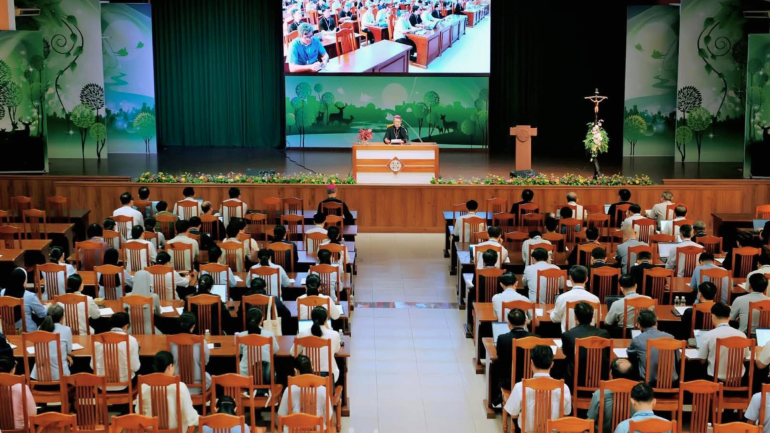
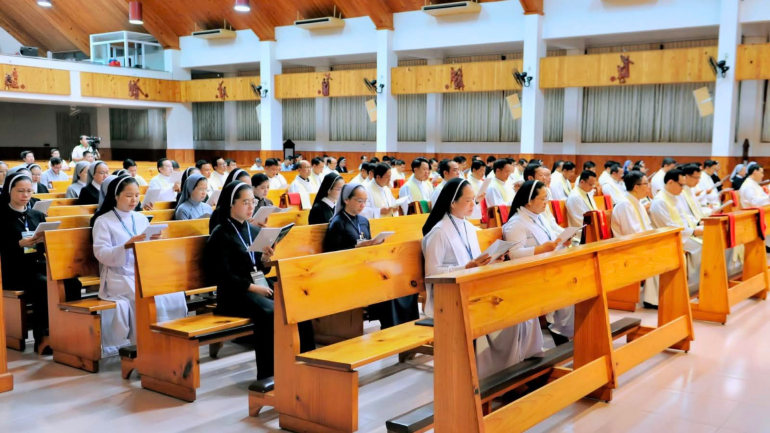
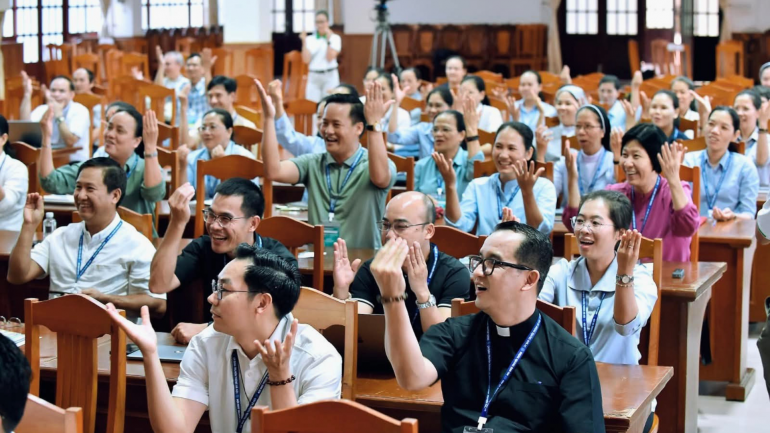
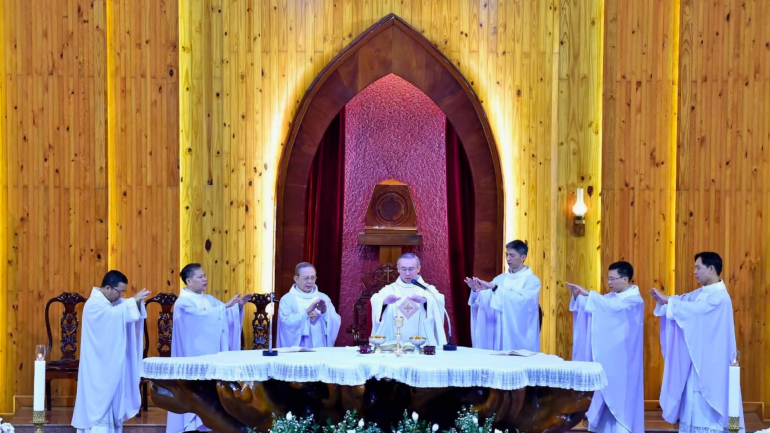
The discussions emphasized that digital tools cannot replace personal witness, faith, or an upright conscience. Instead, technology must serve the human person and remain guided by ethical standards, truth, and love.
Sr. Theresa Nguyen Thi Thanh Huyen, communications representative of the Congregation of the Queen of Peace, said the gathering encouraged her to develop more concrete initiatives for proclaiming the Gospel.
“I hope that with my humble experiences and especially after this gathering, there will be many initiatives, methods, and specific plans for proclaiming the Good News through the communications mission,” she said.
Fr. Anthony Ha Xuan Loc, spiritual director of the Social Communications Board of Phu Cuong Diocese in southern Vietnam, said the presentations and participants’ experiences had strengthened his commitment to the Church’s communication mission.
He said he hoped to translate what he had learned into practical action to better serve his diocese and the wider Church.
Fr. Peter Hoang Dinh Ky, vice head of the communications board of Hai Phong Diocese in northern Vietnam, described this year’s gathering as particularly valuable for its practical content and opportunities for collaboration.
He highlighted the discussions on Magnifica Humanitas by Pope Leo XIV and the encounter among clergy, religious, and laypeople from different dioceses and institutes.
The gathering concluded with Bishop Nguyen Tuan Anh thanking the participants, religious institutes, and communications personnel for their contributions. He urged dioceses and religious congregations to invest in personnel formation and take an active role in the Church’s major pastoral initiatives in the coming years.
Radio Veritas Asia (RVA), a media platform of the Catholic Church, aims to share Christ. RVA started in 1969 as a continental Catholic radio station to serve Asian countries in their respective local language, thus earning the tag “the Voice of Asian Christianity.” Responding to the emerging context, RVA embraced media platforms to connect with the global Asian audience via its 21 language websites and various social media platforms.
Latest News