Asian Digital Missionaries Highlight Holy Detachment, “I to Them” Approach and Humanity in Three Case Studies

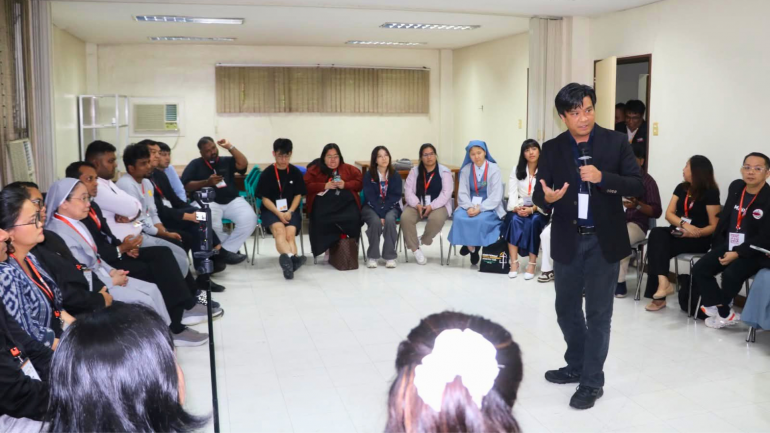
Catholic digital missionaries from across Asia reflected on the dangers of losing sight of their mission, the need to move from self-promotion to serving others, and the importance of keeping humanity at the center of artificial intelligence during three case-study discussions on September 11 in Quezon City, Philippines.
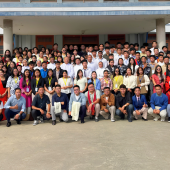
The discussions formed part of the First Asian Catholic Digital Missionary Assembly, being held on September 10–13 at the Radio Veritas Asia (RVA) headquarters in Quezon City. More than 100 Catholic digital missionaries, communicators, content creators and faith influencers from across Asia are taking part in the gathering.
Organized by the Federation of Asian Bishops’ Conferences Office of Social Communication (FABC-OSC) and RVA, in partnership with the Vatican Dicastery for Communication through the Fully Present Network, the assembly carries the theme “Influencers to Witnesses: Synodal Way for Digital Mission in Asia,” inspired by Acts 4:20: “For we cannot but speak of what we have seen and heard.”
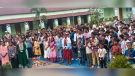
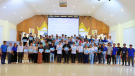
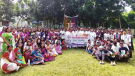
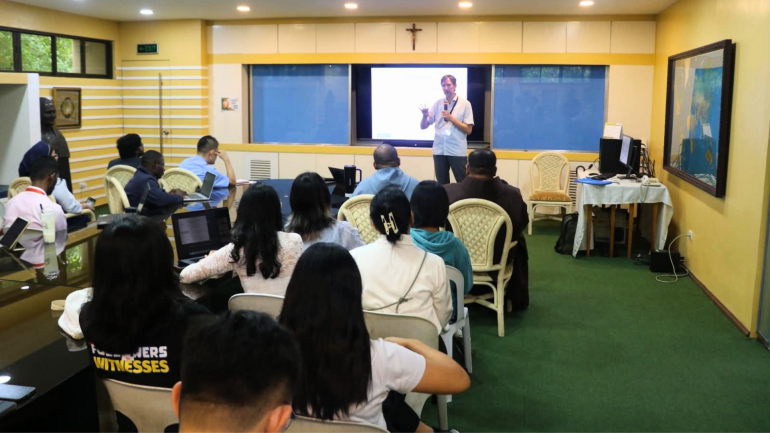
Participants were divided into three groups, each examining a case study before bringing their reflections together in a final synthesis at the Pope John Paul II Auditorium.
From influence to “holy detachment”
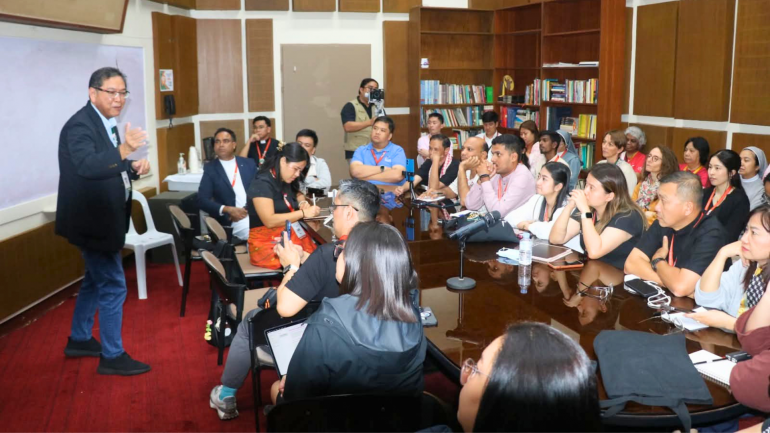
The first group met in the EB Conference Room for the case study “Influencer Priest.” It was facilitated by Edwin Lopez of the Philippines, the first layperson appointed executive secretary of the CBCP Episcopal Commission on Social Communications. He also serves as EWTN's international manager for the Asia-Pacific region and teaches philosophy and theology at San Carlos Seminary in Makati City.
The group's synthesis by Sara Lea Tunas from Indonesia, a digital catechist who brings her faith-centered passion to her work in the marketing field.
Using the controversial case of Fr. Alberto Rayagnani, participants examined how social media, initially intended as a tool for mission, can gradually reshape a missionary's identity and priorities.
Money, popularity, opportunities, fame and audience expectations can turn digital ministry into pressure or addiction, the group noted. Comparison with other influencers and the pursuit of algorithms can also lead missionaries away from their original calling.
Participants proposed “holy detachment” as a way of remaining grounded: remembering that the missionary is not the mission but participates in God's mission.
Regular discernment, humility, mentoring, authentic human dialogue and remaining rooted in community were identified as safeguards against allowing digital platforms to define a missionary's identity.
From “I” to “them”
The second group met in the Pope John Paul II Conference Room for the case study “African Digital Influencer.” It was facilitated by Michael Unland of Germany, executive director of CAMECO, the Catholic Media Council, which supports media and communications development, particularly among communities on the margins.
The group's synthesis was presented by Karen D. Gajutos of the Diocese of Catarman, Philippines, a local radio broadcaster who also serves as a volunteer catechist and pastoral lay synod worker.
The discussion examined the African Synodal Digital Youth and Faith Initiative (ASDYFI), an ecosystem linking about 200 young people who connect their platforms and share content across social media.
Participants saw a possible model for Asia, where different languages, cultures and social realities make collaboration important for digital mission.
Participants were particularly struck by how young African digital influencers have moved beyond online activity to concrete service, including providing food for people in need and accompanying communities through physical encounters.
The discussion challenged digital missionaries to move from “I” to “them,” from promoting oneself to telling the stories of others, particularly vulnerable, poor, isolated and unheard people.
AI should make us more human
The third group met at St. Joseph's Hall for the case study “AI Priest.” It was facilitated by Peter Monthienvichienchai of Thailand, a Thai-British media executive, digital transformation expert and secretary general of SIGNIS, the World Catholic Association for Communication. He also serves as executive director of LICAS News in Bangkok.
The group's synthesis was presented by Fr. Richie Vincent of India, an expert in Social Communications, Journalism and Catholic media ministry.
The discussion moved beyond the question of what AI can do to a deeper question: What kind of people are we becoming through AI?
Participants stressed that AI should serve human dignity, authentic relationships and the common good. Technology should help people grow in love, wisdom, creativity, responsibility and service rather than make them less capable of genuine human connection.
The possibility of an “AI priest” raised further theological and pastoral questions. While AI may imitate some priestly functions, such as providing information or directing users toward Scripture and Church teaching, participants emphasized that priesthood cannot be reduced to functions. A priest is a human person called and sacramentally ordained to serve God's people.
The group also considered why some young people are increasingly comfortable confiding in AI about loneliness, relationships, doubts and faith.
Rather than simply rejecting AI, participants suggested that it could serve as a bridge toward authentic human accompaniment, leading people from information and initial listening toward discernment and, ultimately, priests, parents, counselors and communities.
A shared direction
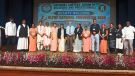
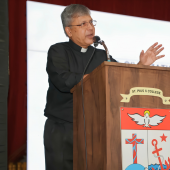
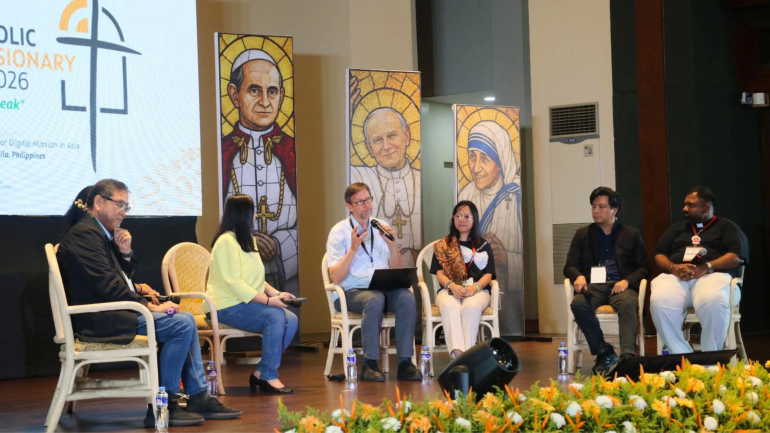
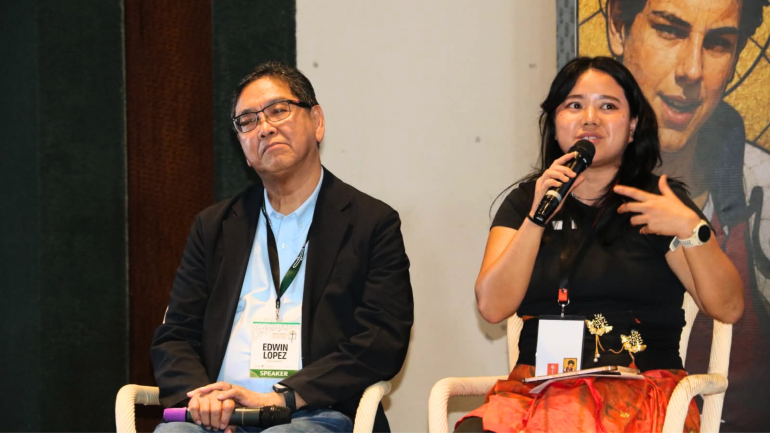
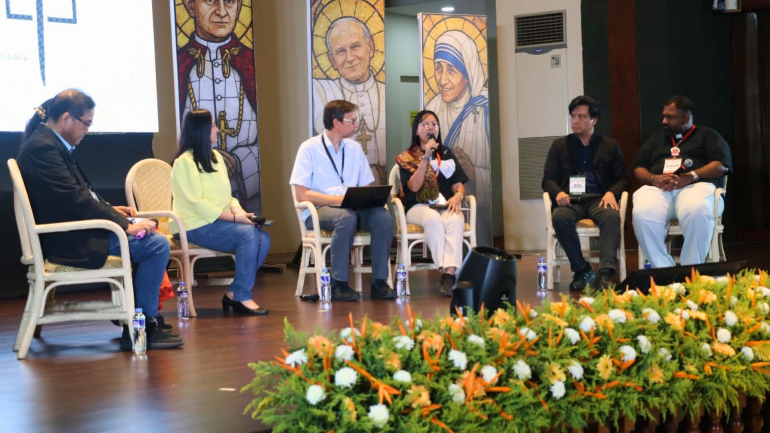
After the three group discussions, representatives brought their reflections together on stage at the Pope John Paul II Auditorium for a final synthesis.
The discussions also reflected the wider direction of the assembly: the movement from influence to witness.
For Asian digital missionaries, that means practicing detachment when platforms threaten to reshape their identity, moving from “I” to “them” by placing others at the center of their communication, and ensuring that artificial intelligence remains a tool for human flourishing.
Ultimately, the three case studies pointed toward a digital mission centered not on followers, algorithms or personal influence, but on Christ, community, human dignity and authentic witness.
Radio Veritas Asia (RVA), a media platform of the Catholic Church, aims to share Christ. RVA started in 1969 as a continental Catholic radio station to serve Asian countries in their respective local language, thus earning the tag “the Voice of Asian Christianity.” Responding to the emerging context, RVA embraced media platforms to connect with the global Asian audience via its 21 language websites and various social media platforms.
Latest News