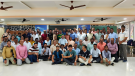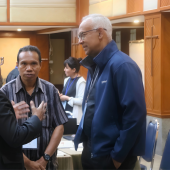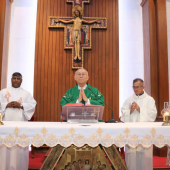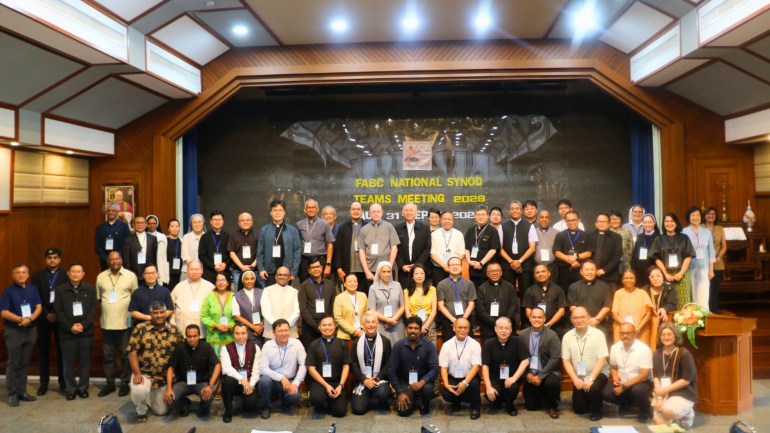
National synodal team members from across Asia said they will return home with a renewed commitment to listening, conversion, accompaniment and conversation in the Spirit following a three-day meeting held Sept. 1–3 at Baan Phu Waan, the pastoral formation center of the Archdiocese of Bangkok.
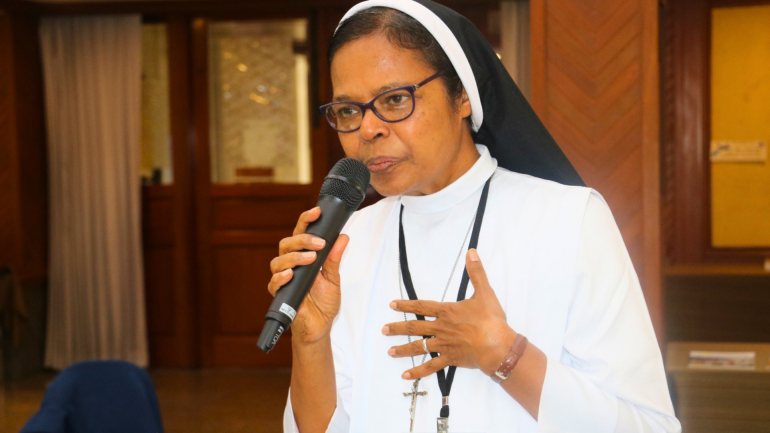
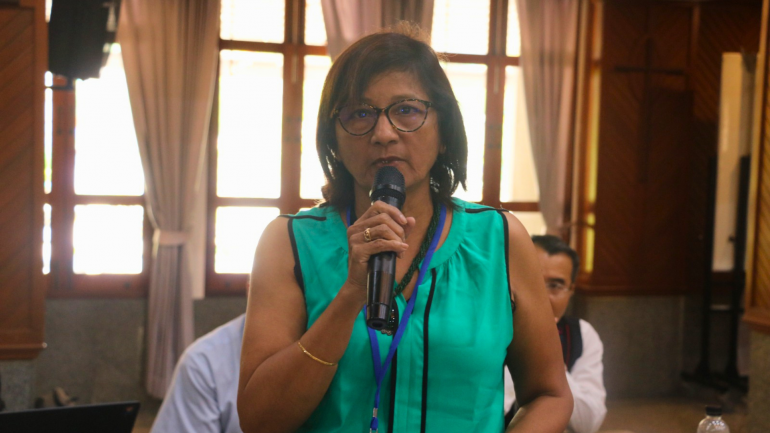
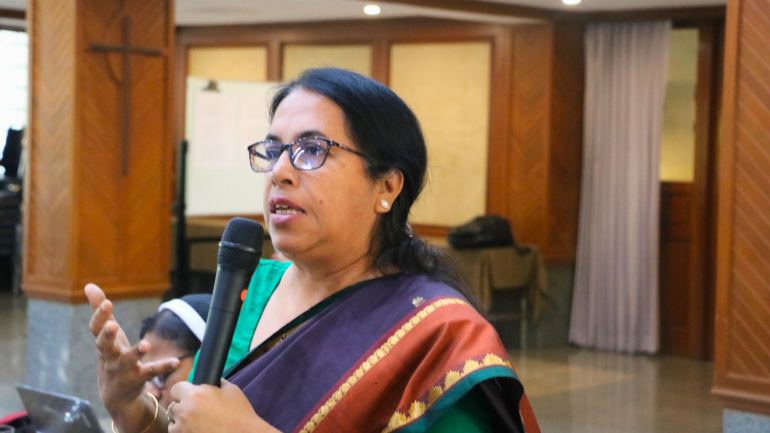
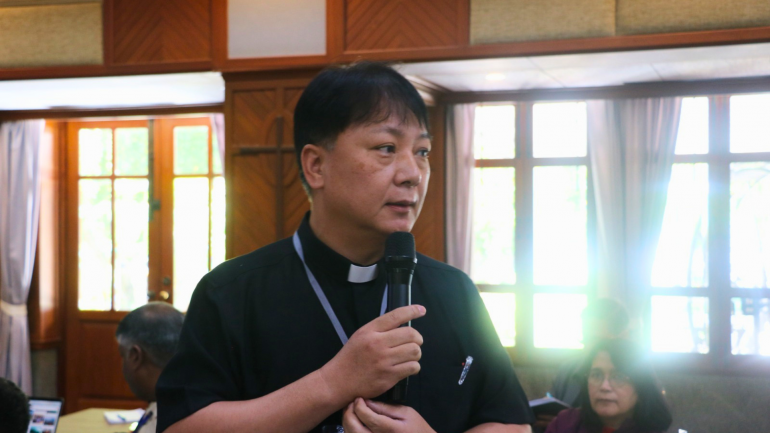
During a sharing session moderated by Sr. Momoko, a member of the Commission for Synodality, delegates reflected on the question: “What are you taking home from these three days?”
Their responses highlighted how the meeting moved beyond discussions of structures and processes toward a deeper understanding of synodality as a spiritual way of living, listening and discerning together.
Fr. Anthonius Gregorius Lalu of Indonesia said he was taking home the experience of synodality itself.
“I experienced that we are listening to one another, sharing our experience and learning from one another,” he said, describing the gathering as a source of renewed energy for the Indonesian Church.
He also emphasized the role of national synodal teams as animators and facilitators, rather than controllers.
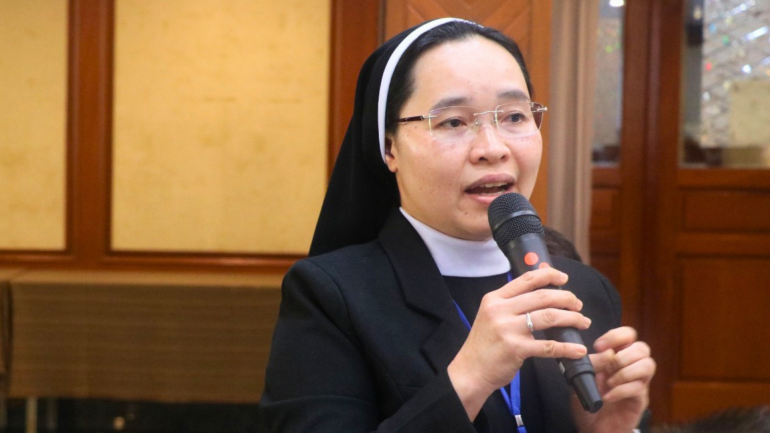
Sr Terese Chi from Vietnam, involved in the formation of postulants, said she was taking home a renewed desire to help young people encounter the spirit of synodality in practical ways. Rather than introducing them first to the technical language of synodality, she said she wanted to help them deepen their relationship with Christ through Scripture, art and opportunities for conversation. She also emphasized moving from simply speaking to people toward listening to their needs, pain and stories.
Fr. Jovio Rego de Jesus Araujo of Timor-Leste identified conversion and conversation in the Spirit as two key lessons.
Conversion, he said, must involve both laypeople and Church leaders, with everyone allowing the Holy Spirit to transform them. Recognizing human weakness, he added, can become a starting point for renewing personal lives and the Church.
Fr. Vijay Pratap Toppo, SJ, of Nepal said his country faces a particular challenge because it has neither a national synodal committee nor pastoral councils.
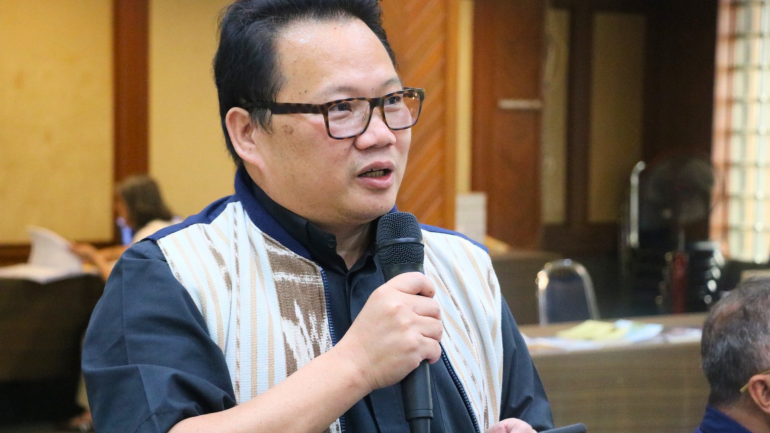
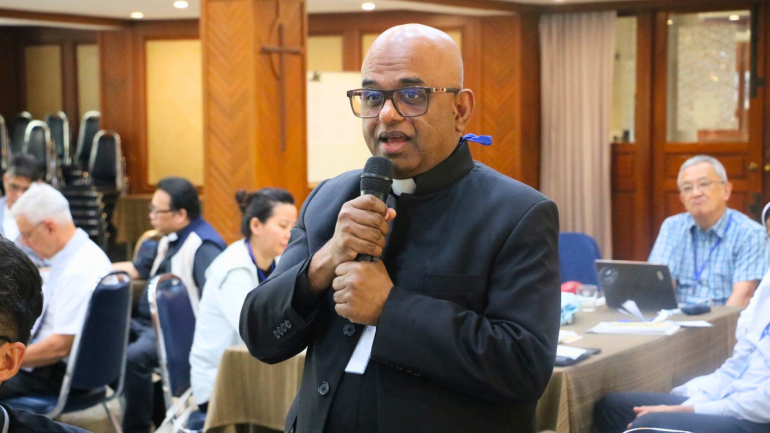
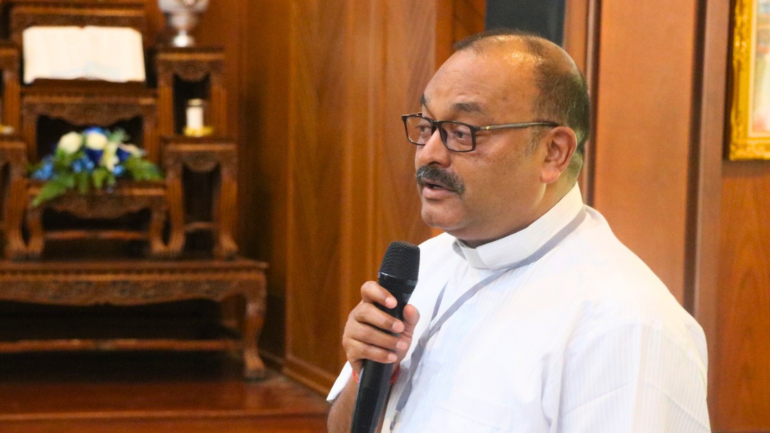
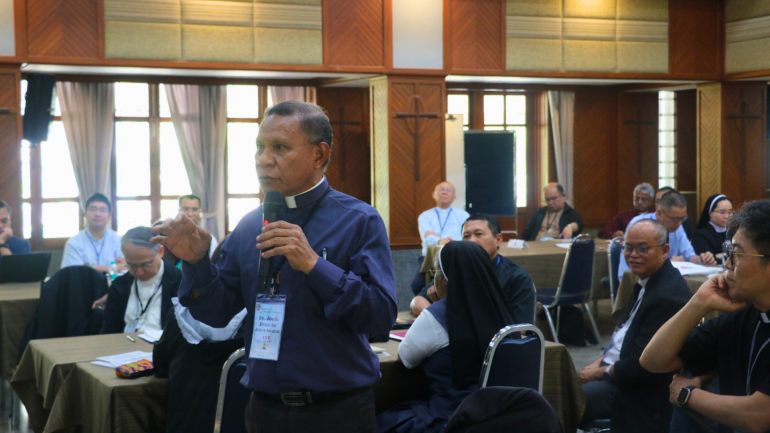
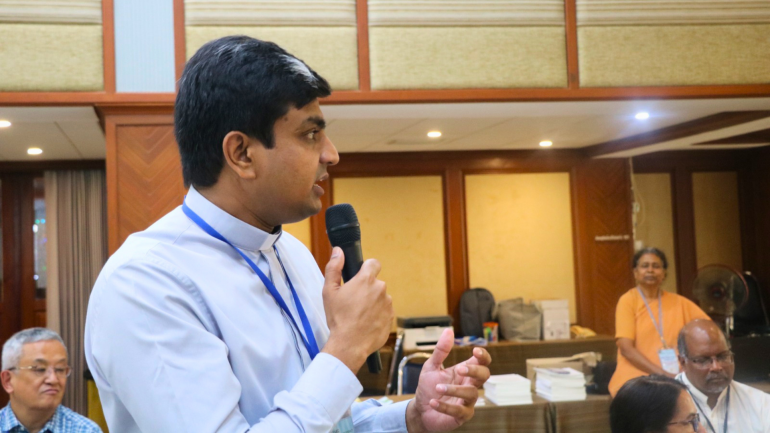
“We want to make synodality a real experience,” he said, both for urban and rural communities. He also plans to support the apostolic administrator in animating the synodal process.
Fr. Christopher Vimalraj Hiruthya of India said the prospect of organizing diocesan assemblies across the country’s 132 dioceses initially seemed daunting. After the Bangkok meeting, however, he said he was returning with “renewed confidence and energy.”
He stressed that synodality does not end with national, continental or universal assemblies but remains an ongoing journey of deeper conversion.
Other delegates highlighted the spiritual character of the gathering.
Sr. Deepani Wijethunga, AC, of Sri Lanka described the meeting as resembling a recollection or retreat, saying its methodology helped her listen more deeply to God and to herself. Synodality, she said, is not a destination but an ongoing process and a way of life.
Ms. Bernadine Fernandes from the Conference of Catholic Bishops of India (CCBI) said she learned to “let go of control” and move from “solving to listening,” recognizing the Holy Spirit as the protagonist of the synodal process.
Ms. Rita Roselin Costa of Bangladesh highlighted the sense of equality among participants, saying bishops, cardinals, priests, religious and laypeople participated on an equal footing. She also spoke of friendships formed among delegates from the 21 countries represented at the meeting.
Fr. Michael Yongwook Park of the Catholic Bishops’ Conference of Korea said he initially wondered whether synodality might become little more than “paperwork.” The experience of other Asian Churches, however, gave him new motivation.
He said the Korean team plans to discuss reorganizing and restarting the national synodal team and share the outcomes of the Bangkok meeting with diocesan synodal teams.
Fr. Rafhan Fayyaz of Pakistan described the gathering itself as an experience of synodality, with participants from different cultures and challenging contexts learning from one another. He emphasized continuity, saying the spirit experienced in Bangkok must continue after delegates return home.
The sharing brought the three-day meeting back to its central purpose: helping national teams accompany their Churches as they prepare for diocesan and national assemblies.
Radio Veritas Asia (RVA), a media platform of the Catholic Church, aims to share Christ. RVA started in 1969 as a continental Catholic radio station to serve Asian countries in their respective local language, thus earning the tag “the Voice of Asian Christianity.” Responding to the emerging context, RVA embraced media platforms to connect with the global Asian audience via its 21 language websites and various social media platforms.
Latest News