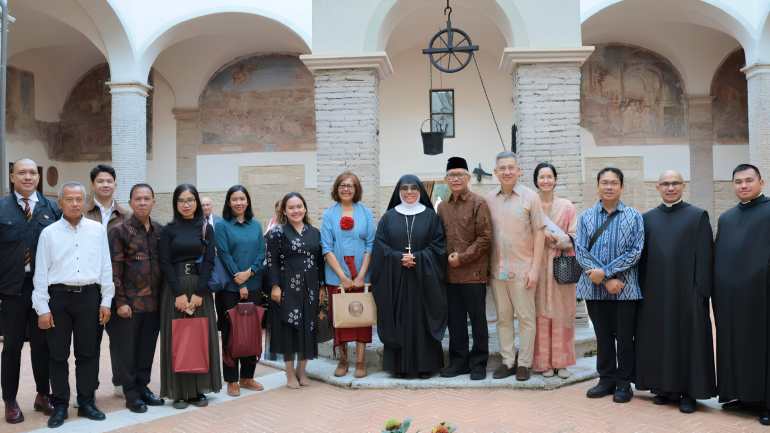
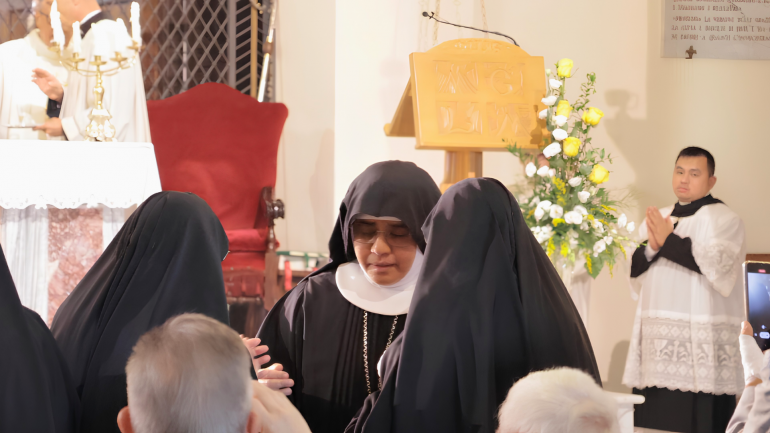
Sr. Maria Silvia Bate, OSB, a nun from Maukeli, Nagekeo, Flores, East Nusa Tenggara, Indonesia, was officially appointed head of the Monastero Benedettino di Orte, or Benedictine Monastery of Orte, Italy, on September 27, 2026.
Sr. Silvia succeeds Mother Maria Giacinta di Maria, OSB, who has led the community for many years and is now 84 years old.
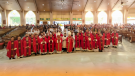
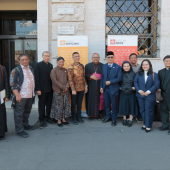
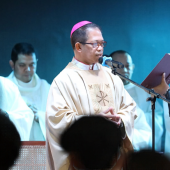
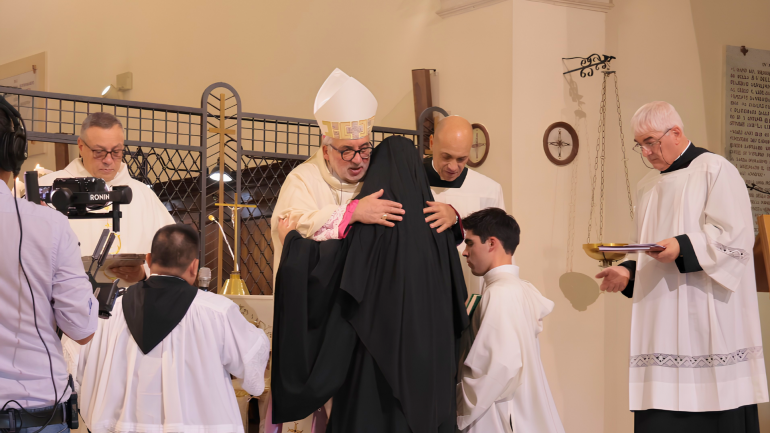
Her appointment was marked by the celebration of the Mass of Blessing of the Abbess (Benedictio Abbatissae), presided over by Bishop Marco Salvi of Castellana at the Church of Madonna delle Grazie in Orte. The celebration was attended by Church leaders, Indonesian Ambassador to the Holy See Michael Trias Kuncahyono, and members of the Indonesian Embassy community accredited to the Holy See.
For Indonesia, Sister Silvia’s appointment marks a significant moment. She is reportedly the first Indonesian citizen to be elected head of a Benedictine monastery in Italy.
“We are very proud that an Indonesian citizen has become a monastery superior for the first time,” Ambassador Michael Trias Kuncahyono said.
Born in Maukeli, Sr. Silvia has devoted nearly 21 years to religious life. In June 2003, she left Kupang, East Nusa Tenggara, for Orte, Italy, to begin her formation and service there.
At that time, the Vatican still allowed candidates from abroad to come to Italy for formation even before they formally became religious sisters. In 2005, Sister Silvia began her monastic journey as a novice. She later made her final vows and eventually took on the responsibility of leading the monastery as its Abbess.
Mother Maria Giacinta di Maria said she had spent 18 years preparing Sister Silvia to assume the leadership of the community.
“I am very proud and happy that Sister Silvia is finally succeeding me. I have been preparing her for 18 years,” Mother Giacinta said.
The Monastero Benedettino di Orte is a cloistered monastery located in the town of Orte, Italy. The community currently consists of 26 sisters, 21 of whom are from Indonesia.
The monastery was founded by priests of the Order of St. Jerome between 1573 and 1579. In 1957, its administration was entrusted to Benedictine nuns, who have continued to live and serve there ever since.
The Benedictine sisters of Orte are also known for their herbal products. The products are prepared according to ancient recipes passed down since the 16th century. The nuns also maintain a monastery garden where various medicinal and herbal plants are cultivated.
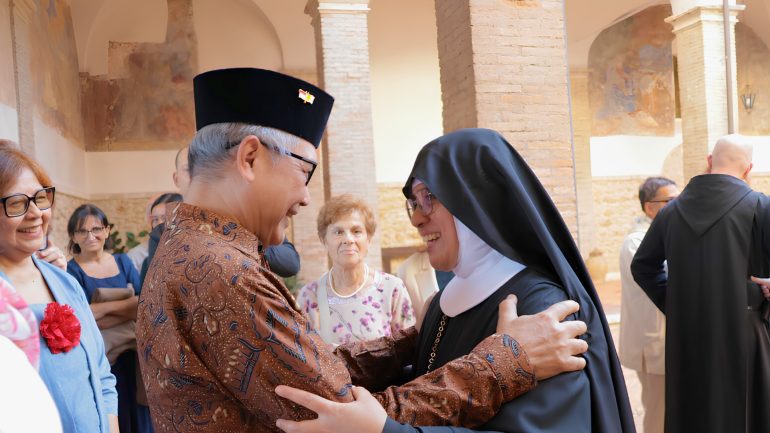
The relationship between the Benedictine Monastery of Orte and Indonesia has a long history. Since the late 1980s, the monastery has welcomed and provided formation for young Indonesian women seeking to embrace Benedictine monastic life.
This relationship later contributed to the establishment of the Santa Maria delle Grazie Monastery in Kupang, East Nusa Tenggara. The monastery was inaugurated in 2007 and became the first contemplative Benedictine monastery in West Timor.
The Benedictine sisters are also currently completing the construction of a new monastery in Bali.
Today, the Benedictine community in Orte serves as a meeting point between Italian and Indonesian monastic traditions. The life of the sisters there also reflects the close relationship between the peoples of the two countries through religious life, education, and spiritual formation.
According to data from the Embassy of the Republic of Indonesia to the Holy See, as of July 2026, there were 1,880 Indonesian religious men and women within the jurisdiction of the Indonesian Embassy to the Holy See in the Vatican and Italy. Of this number, 1,592 were women religious or nuns.
Radio Veritas Asia (RVA), a media platform of the Catholic Church, aims to share Christ. RVA started in 1969 as a continental Catholic radio station to serve Asian countries in their respective local language, thus earning the tag “the Voice of Asian Christianity.” Responding to the emerging context, RVA embraced media platforms to connect with the global Asian audience via its 21 language websites and various social media platforms.
Latest News