


Ten years after the death of Archbishop Raphael Cheenath, SVD, the former Archbishop of Cuttack-Bhubaneswar, eastern India, is remembered for his steadfast support for Christians affected by the Kandhamal violence in eastern India and his commitment to justice and rehabilitation.
Archbishop Cheenath died on August 14, 2016, shortly after the Supreme Court of India issued a significant ruling related to compensation for victims of the 2008 violence in Odisha.
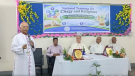
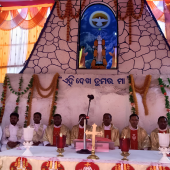
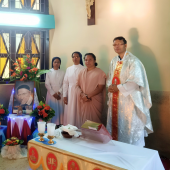
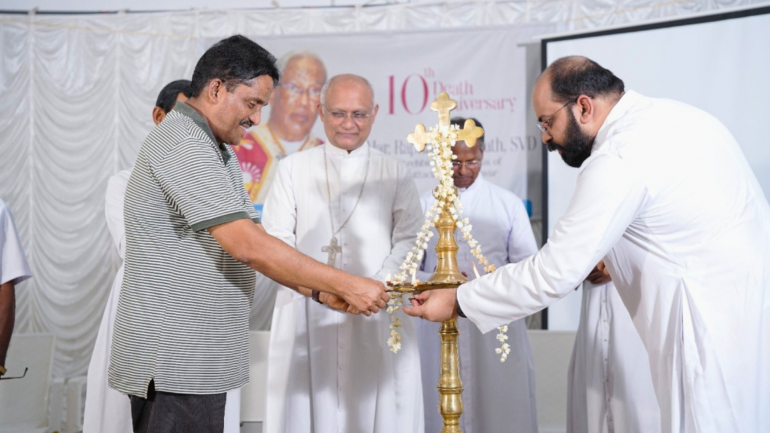
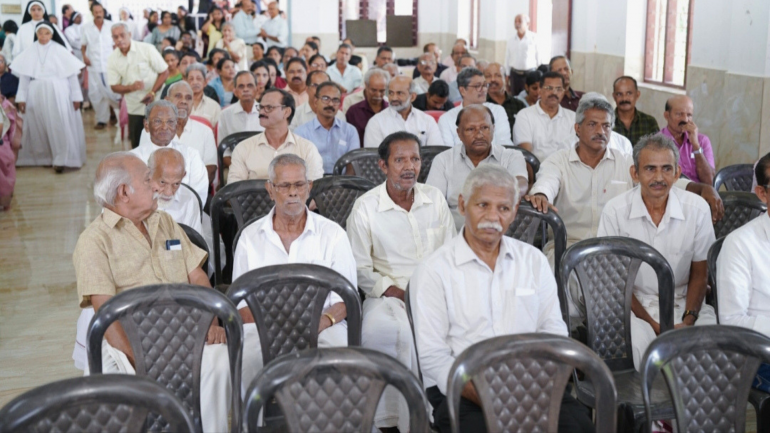
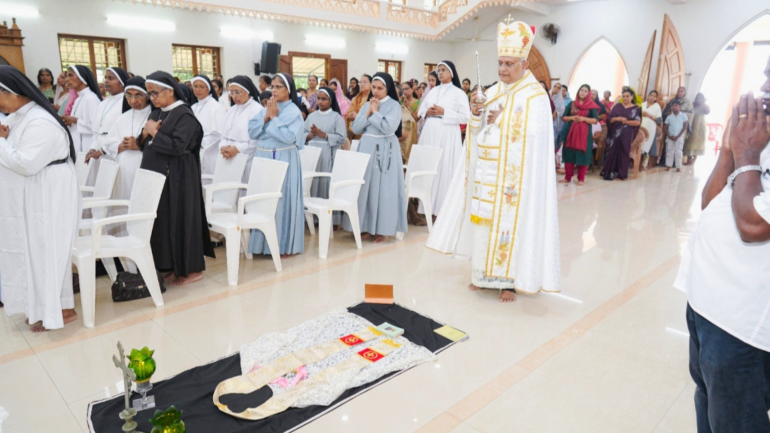
His 10th death anniversary was commemorated August 12 at his native parish of Pallissery in Thrissur, Kerala. A memorial Mass was presided over by Auxiliary Bishop Tony Neelankavil of Thrissur, followed by a gathering reflecting on Archbishop Cheenath’s life and ministry.
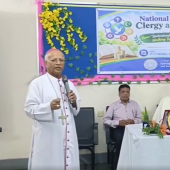
Journalist, author and human rights advocate Anto Akkara delivered a presentation on Archbishop Cheenath’s legacy, highlighting his pastoral commitment and efforts to seek justice and rehabilitation for survivors of the Kandhamal violence.
The violence in Kandhamal in 2008, in Odisha, saw churches and homes destroyed and thousands of Christians displaced. Families were forced to flee their villages amid attacks that left deep scars on the local community.
As Archbishop of Cuttack-Bhubaneswar, Archbishop Cheenath remained closely involved in the Church’s response to the crisis. He accompanied displaced families, appealed for protection and relief, and pursued justice through legal and institutional channels.
His pastoral priorities were captured in his reported instruction to Church workers: “Build the houses first. Churches can be rebuilt later.” The statement reflected his emphasis on restoring the lives and dignity of displaced families before rebuilding church structures.
Archbishop Cheenath’s response to the violence was rooted in pastoral accompaniment rather than retaliation. He urged the Church to stand with those who had suffered while continuing to seek justice and uphold human dignity.
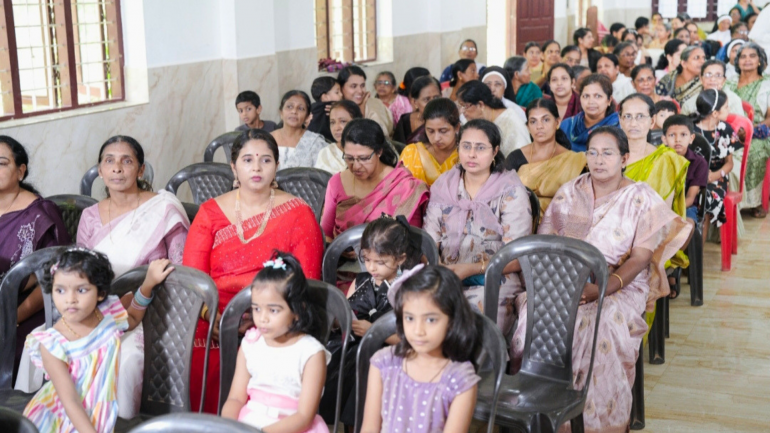
Akkara’s presentation placed Archbishop Cheenath’s ministry within the wider history of Kandhamal and the continuing struggle of survivors for justice and adequate rehabilitation.
Archbishop Cheenath was sometimes criticized for his public response to the violence. Yet his supporters regarded his willingness to speak publicly and advocate for victims as an important part of his pastoral responsibility during a period of intense suffering.
Born in Kerala, Archbishop Cheenath spent much of his ministry serving far from his native state. His years in Odisha brought him into close contact with communities facing poverty, displacement and persecution.
For many who knew him, his legacy is closely associated with his decision to remain with affected communities during and after the violence.
The 10th anniversary commemoration therefore recalled more than the life of a Church leader. It remembered a pastor who sought to accompany people when their lives had been shattered and to ensure that their suffering was not forgotten.
Archbishop Cheenath’s ministry continues to raise questions about the responsibility of Christian leadership in times of persecution: to remain close to the wounded, defend human dignity, seek justice and resist despair.
A decade after his death, his memory remains closely connected with the people of Kandhamal and with the Church’s continuing call to stand with communities affected by violence and injustice.
Radio Veritas Asia (RVA), a media platform of the Catholic Church, aims to share Christ. RVA started in 1969 as a continental Catholic radio station to serve Asian countries in their respective local language, thus earning the tag “the Voice of Asian Christianity.” Responding to the emerging context, RVA embraced media platforms to connect with the global Asian audience via its 21 language websites and various social media platforms.
Latest News