




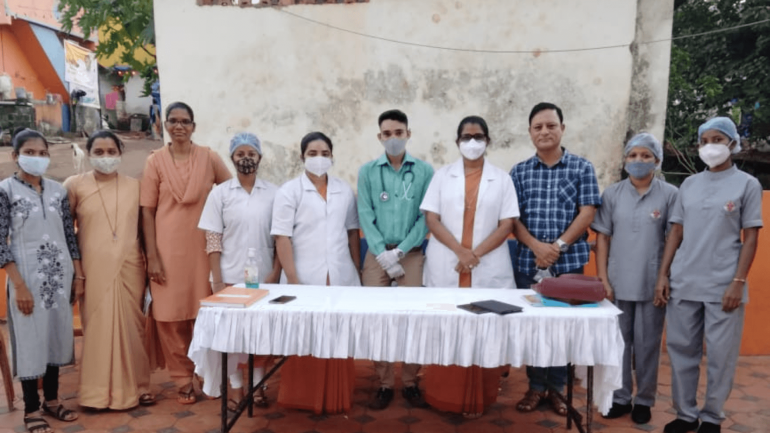
For more than three decades, the Sisters of the Holy Family of Nazareth have worked quietly among some of Goa’s most marginalized communities. Through education, livelihood programs, and crisis response, their social service centers have focused on long-term empowerment rather than short-term relief. From the former red-light district of Baina to migrant communities in Zuari Nagar, their mission continues to reshape lives.
In the 1990s, Sr. Mary Jane, the then Superior General of the Congregation, established the Fr. Faustino Social Service Institute in the southwestern Indian state of Goa. Two key outreach centers were launched: Asha Sadan in Baina, Vasco da Gama, and Kiran Niketan in Zuari Nagar.
From Rescue to Rehabilitation
At the time, Baina was widely known as a red-light district in the busy port town of Vasco. The area was marked by systemic poverty, exploitation, and social stigma, with women and children trapped in cycles of abuse and marginalization. When the sisters began their mission there, they encountered resistance, deep-rooted social problems, and the emotional toll of working in a highly vulnerable community. Despite these challenges, they remained committed to long-term transformation.
Asha Sadan—meaning “House of Hope”—focused primarily on children at risk. The sisters enrolled many of them in boarding schools and ensured access to formal education. Over time, this intervention produced measurable results. Several former beneficiaries have completed higher education, secured professional employment, and established stable family lives.
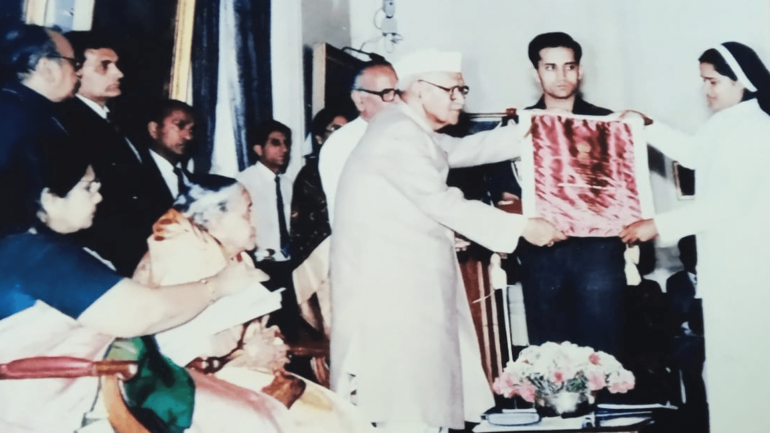
In recognition of its work, Asha Sadan received the National Award for Child Welfare from the Government of India in 1996. Sr. Lourenca Marques, then Director of the center, accepted the award from President Dr. Shankar Dayal Sharma in New Delhi. The honor acknowledged the institute’s contribution to child welfare at the national level.

Responding in Crisis
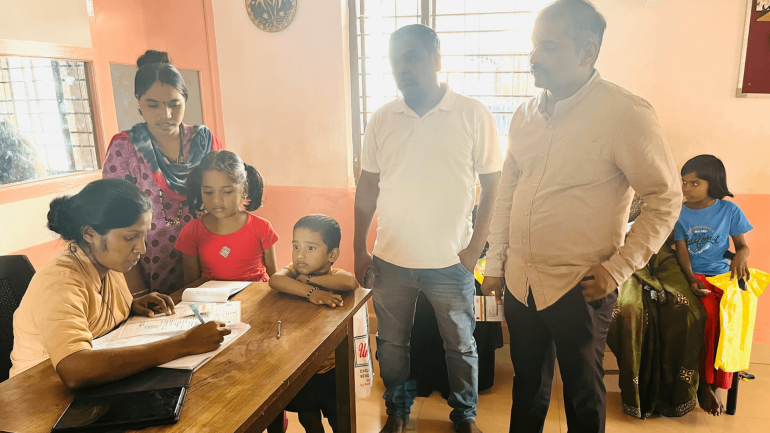
Kiran Niketan in Zuari Nagar developed its mission in a different context—an industrial area with a large migrant population. Many families struggled with unstable incomes, limited access to education, and social challenges, including alcoholism and domestic financial insecurity.
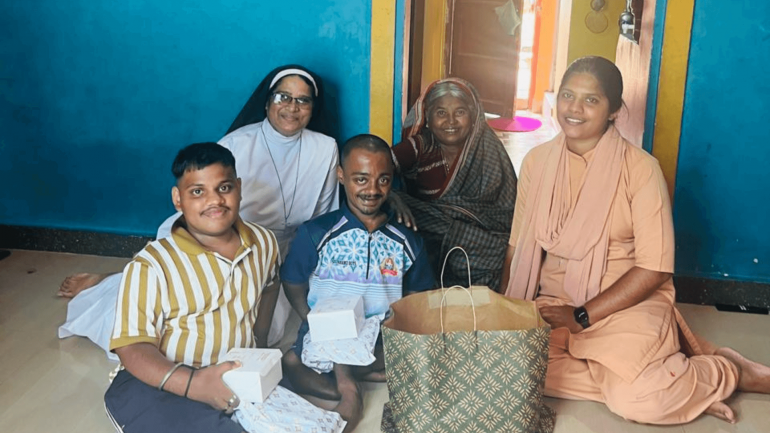
During the COVID-19 pandemic, when Zuari Nagar was declared a Red Zone under strict quarantine measures, Sr. Phileshin D’Souza, Director of Kiran Niketan, led relief efforts for migrant workers and low-income families. Working with the Sisters of the Holy Family of Nazareth, local volunteers, Nirman NGO, and the St. Vincent de Paul Society, the center distributed food supplies and essential safety kits to affected households.
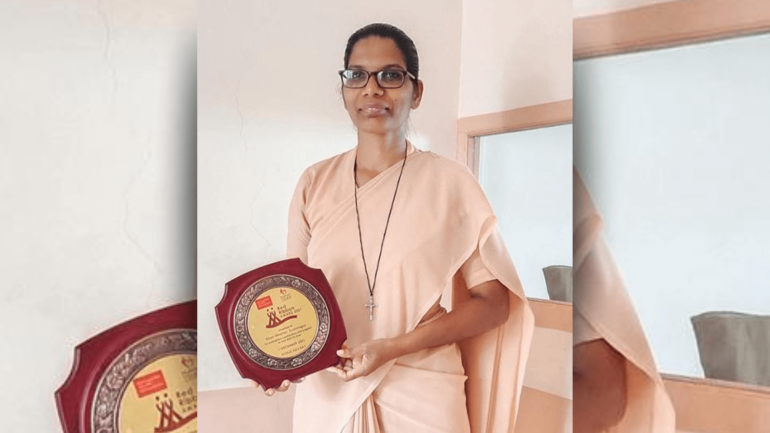
The center also received the Red Ribbon Award in recognition of its work with children and adolescents living with HIV.
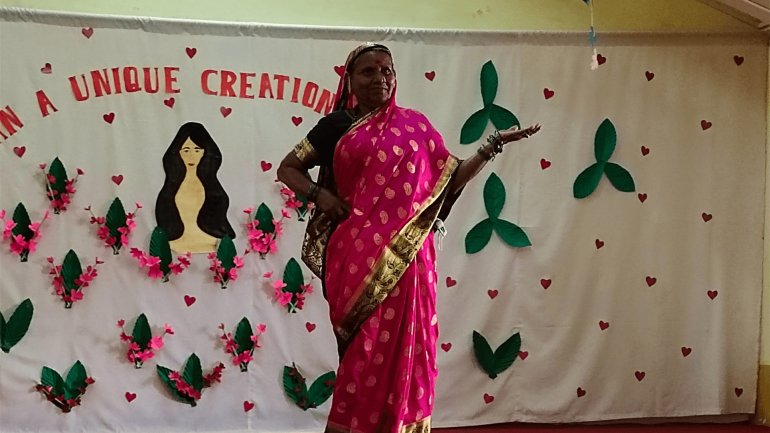
Sr. Phileshin emphasizes women’s empowerment as central to community development. “Empowering women is the key to building the future we want,” she says—a principle that guides the programs of Kiran Niketan.
A Holistic Model of Development
Kiran Niketan adopted a comprehensive approach to community upliftment:
-
Education Access: The center runs Anganwadis, pre-primary and primary education programs, and evening coaching classes to support children from low-income families.
-
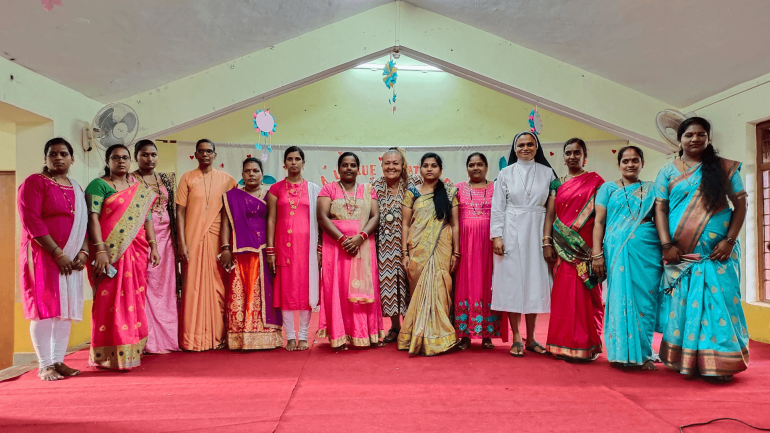
Self-Help Groups: Women are organized into savings groups to strengthen financial independence and decision-making within households.
-
Skills Training: Vocational programs in tailoring, cooking, and other trades provide alternative sources of income and promote self-reliance.
This structured support has gradually strengthened families and encouraged youth participation in constructive activities, including government-supported development programs.
Expanding the Mission
The work of the Fr. Faustino Social Service Institute has expanded beyond Baina and Zuari Nagar. In Mastimol, Canacona, at the southern tip of Goa, the congregation serves rural communities facing poverty and limited access to services. Across the state border in Kadawal, Sindhudurg district in Maharashtra, another center extends similar support to remote populations.
Through education, livelihood training, health outreach, and community organizing, the Sisters of the Holy Family of Nazareth continue to address poverty at its roots.
Rather than short-term charity, the congregation’s approach emphasizes presence, accompaniment, and practical solutions. Over three decades, their work in Goa and neighboring Maharashtra has contributed to measurable improvements in education, economic stability, and community resilience among marginalized populations.