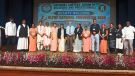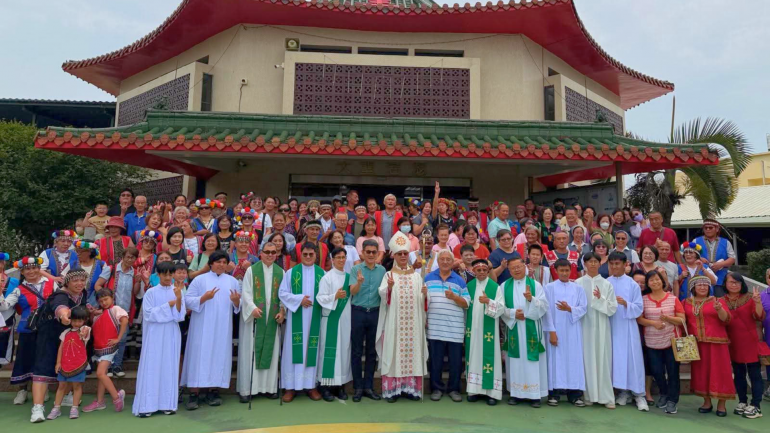
A pectoral cross presented by Pope Leo XIV and a chasuble gifted by the Federation of Asian Bishops' Conferences (FABC) became visible symbols of communion as Bishop Norbert Pu Ying-hsiung of Chiayi celebrated the Indigenous Peoples' Day of Prayer and Offering on August 1, urging Catholics to recognize the invaluable gifts that indigenous peoples bring to the wider Church.
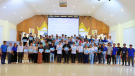
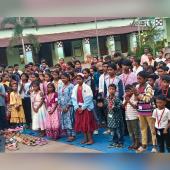
The Eucharistic celebration at St. Joseph Church in Shuzaijiao, a rural parish in Chiayi County in southwestern Taiwan, brought together nearly 200 faithful representing seven indigenous communities, including members of Bishop Pu's own Tsou tribe from the Alishan mountain region.
The annual observance was held under the theme, "Ethnic Harmony, Peace for Every Community, and Sharing the Love of the Gospel."
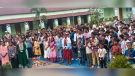
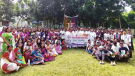
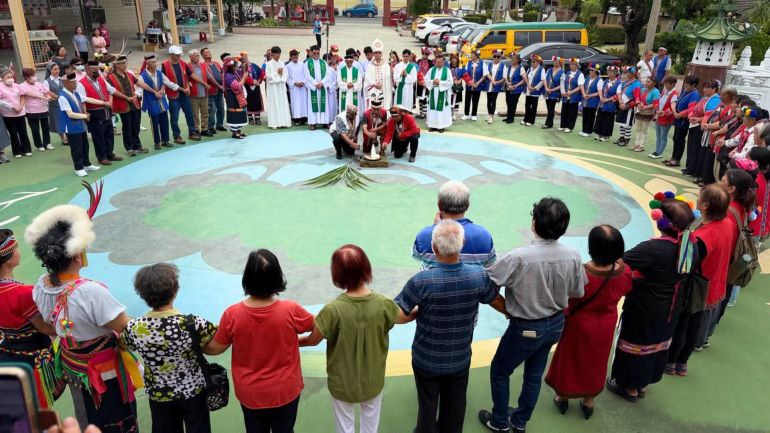
Before Mass, the bishop joined priests, religious sisters, and members of the indigenous communities in a traditional blessing ceremony outside the church. Holding hands in a circle, they prayed together as participants, dressed in colorful traditional attire, celebrated the richness of Taiwan's indigenous heritage.
In his homily, Bishop Pu said the Church is enriched when every people shares the gifts God has entrusted to them.
Reflecting on the Gospel account of the multiplication of the loaves and fishes, Bishop Pu said the miracle began with a willingness to place one's gifts in Christ's hands.
"Each person and each community may possess only a little, but when we willingly offer our gifts to Christ, they become nourishment for many," he said.
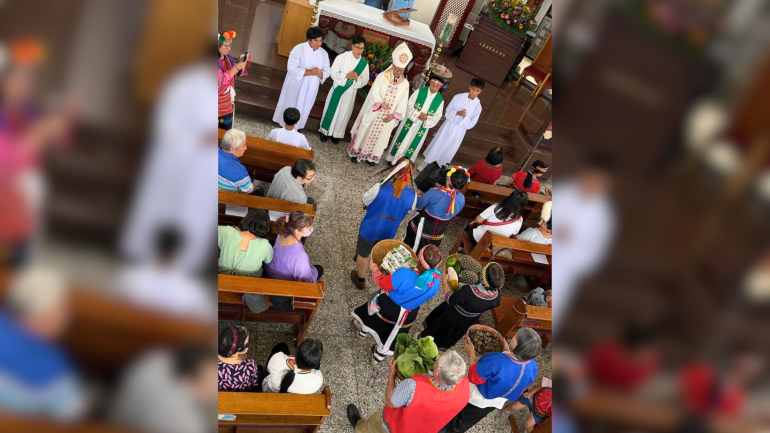
During the offertory, members of the congregation presented local produce, including pineapples, cabbages, and Alishan tea, symbolizing the fruits of their land, their labor, and their faith.
The bishop linked his message to two recent experiences that shaped his reflection: the Taiwanese bishops' ad limina visit to Rome in June and the FABC Plenary Assembly held in Jakarta, Indonesia, in July.
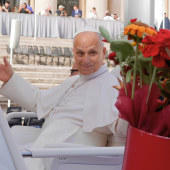
During the ad limina visit, Bishop Pu asked Pope Leo XIV, who spent many years serving indigenous communities in Peru, what the Church could learn from indigenous peoples. According to Bishop Pu, the pope encouraged Catholics to recognize diversity, appreciate the gifts each people brings, and uphold the dignity of every person.
"When the Church remains united amid diversity, she becomes a prophetic witness to society," Bishop Pu quoted Pope Leo as saying.
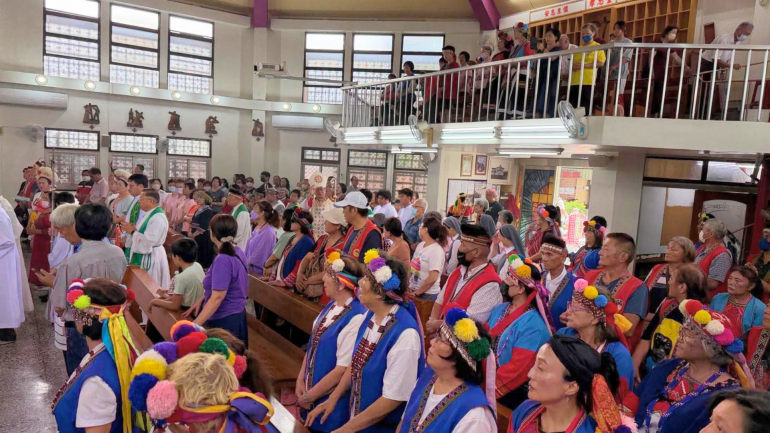
He also recalled the FABC gathering in Jakarta, where bishops from across Asia were welcomed by Indonesia's indigenous communities through traditional songs, dances, and cultural ceremonies.
"When indigenous traditions become part of the Church's life, they are no longer simply cultural performances," Bishop Pu said. "They become a living language through which the Gospel is proclaimed, and communion is strengthened."
Bishop Pu said the annual observance is not simply about supporting indigenous communities but about recognizing their indispensable role in the Church. While indigenous communities continue to seek support in areas such as youth formation, vocations, preserving indigenous languages, and pastoral care, they also offer invaluable gifts to the wider Church through their deep sense of community, care for creation, solidarity, and vibrant expressions of faith.
He concluded that indigenous peoples are not merely recipients of pastoral care but active participants in the Church's mission, enriching both the local Church in Taiwan and the universal Church through their enduring faith and cultural heritage.
Radio Veritas Asia (RVA), a media platform of the Catholic Church, aims to share Christ. RVA started in 1969 as a continental Catholic radio station to serve Asian countries in their respective local language, thus earning the tag “the Voice of Asian Christianity.” Responding to the emerging context, RVA embraced media platforms to connect with the global Asian audience via its 21 language websites and various social media platforms.
Latest News