

Indonesia Bishop Warns Poverty Can Open Door to Human Trafficking at International Migrant Seminar

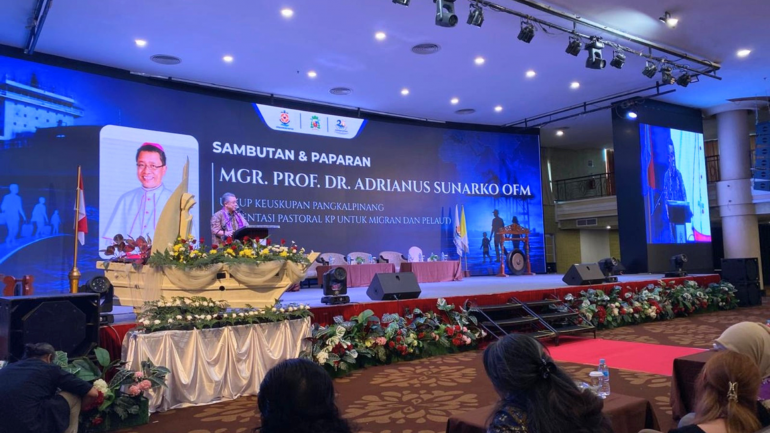
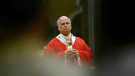
Poverty, unemployment and economic hardship can make migrants and other vulnerable people targets for human traffickers, Bishop Adrianus Sunarko, OFM, of Pangkalpinang, Indonesia, warned Catholics attending an international seminar on migration.
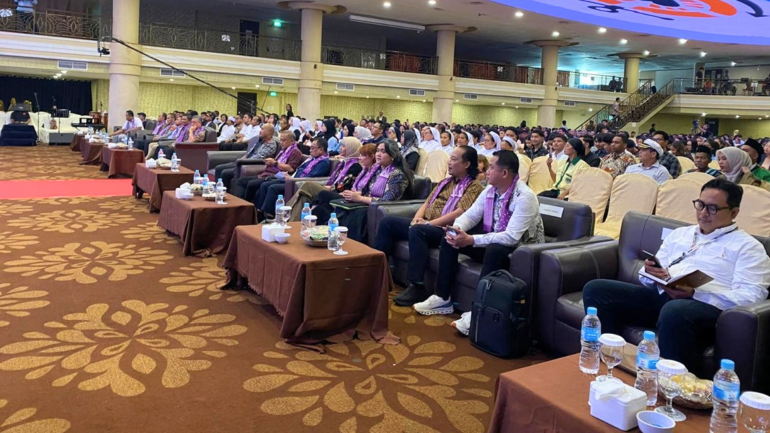
Bishop Sunarko, secretary general of the Indonesian Bishops’ Conference, delivered the message during Mass at the Pacific Palace Hotel in Batam on September 20, marking the conclusion of the International Seminar for the 2026 World Day of Migrants and Refugees.
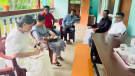
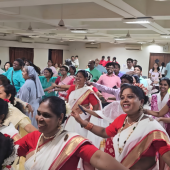
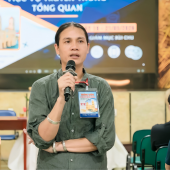
The seminar, held under the theme “From Vulnerability to Dignity: Promoting Safe and Orderly Migration,” brought together participants to examine the challenges faced by migrants and refugees and ways of promoting their safety, dignity and rights. Batam, an Indonesian island city in the Riau Islands Province near Singapore and Malaysia, is a major center of industry, employment and cross-border movement.
Reflecting on the Gospel passage about workers called to the vineyard at different times of the day, Bishop Sunarko said the story points to the importance of providing opportunities to people who are struggling to find work.
“It is fortunate that even at five in the afternoon there was still an unemployed person, and he was given work: ‘Go into my vineyard,’” he said. Without such opportunities, he added, vulnerable people could become targets of traffickers who prey on those trapped in poverty.
The vineyard owner’s willingness to give work to those who arrived late, Bishop Sunarko said, offered a lesson in generosity and human dignity.
“The owner of the vineyard was willing to give more than what was expected. Willingness and generosity are the message given to us,” he said.
He urged Catholics not to limit their response to migrants to feelings of pity or assistance after problems arise. Creating opportunities for people to earn a living and live with dignity is also part of addressing the conditions that can expose them to exploitation.
Bishop Sunarko also highlighted the role of volunteers who accompany migrants and people living away from their homes. Reflecting on the Indonesian word sukarelawan, commonly used for volunteer, he noted that rela conveys willingness while suka suggests joy.
For him, volunteering means choosing to be present for others despite their suffering and difficulties.
He linked this attitude to St. Paul’s words in the Letter to the Philippians, in which the apostle expresses his desire to be with Christ but chooses to remain because his presence is needed by the community.
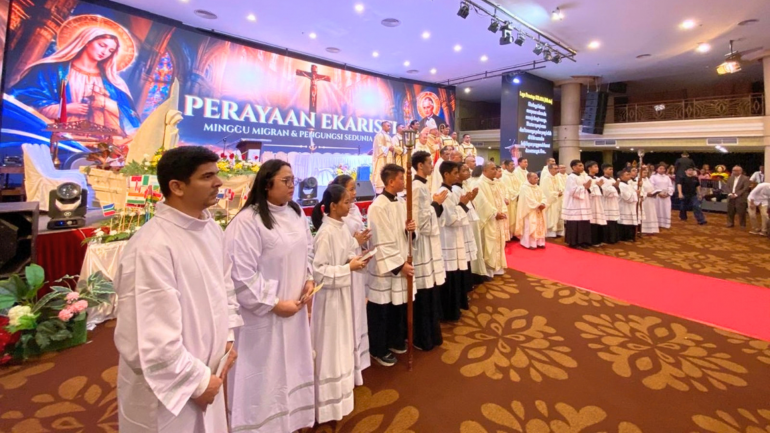
Bishop Sunarko said this willingness to remain for others is particularly important in ministry among migrants, whose struggles can often remain unseen.
He also pointed to Indonesia’s tradition of mutual assistance, citing the willingness of communities to help one another during disasters, often across religious boundaries. The same spirit of solidarity, he said, should extend to migrants and others living in vulnerable circumstances.
“Hopefully, we will be given the opportunity and the courage to become volunteers, perhaps in the simple things of everyday life,” Bishop Sunarko said.
He urged participants to see migrants not simply as people needing assistance but as persons with dignity, hopes and abilities who deserve to live in safety.
For Bishop Sunarko, responding to migration therefore requires more than compassion. It calls for a willingness to accompany vulnerable people, create opportunities and stand with them before exploitation occurs.
Radio Veritas Asia (RVA), a media platform of the Catholic Church, aims to share Christ. RVA started in 1969 as a continental Catholic radio station to serve Asian countries in their respective local language, thus earning the tag “the Voice of Asian Christianity.” Responding to the emerging context, RVA embraced media platforms to connect with the global Asian audience via its 21 language websites and various social media platforms.
Latest News