

Indonesia: Catholic School Children Mark Independence Day With Prayer, Tree Planting

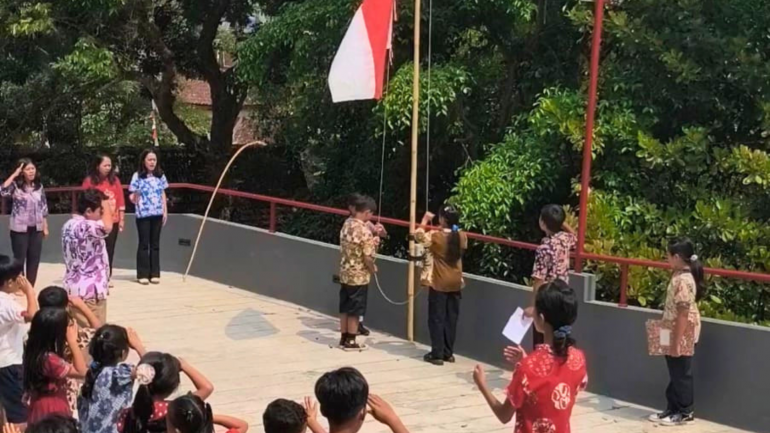
Children at a Catholic elementary school in Indonesia marked the country’s 81st Independence Day by praying for the nation, reflecting on care for creation and planting trees at a historic Catholic pilgrimage site in Central Java.
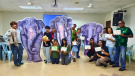
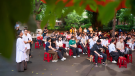
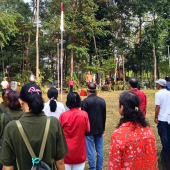
On August 17, 41 students and 13 adults from Kanisius Kenalan Elementary School, along with parents and members of the Sendangsono pilgrimage community, gathered at the Sendangsono Pilgrimage Site in Kulon Progo, Yogyakarta, for a celebration focused on faith, national identity and care for the environment.
The program, titled “Urmat Gendera (Respect for the Red and White Flag) Tanah Air,” carried the theme “Prayer for the Land and Water of Indonesia.”
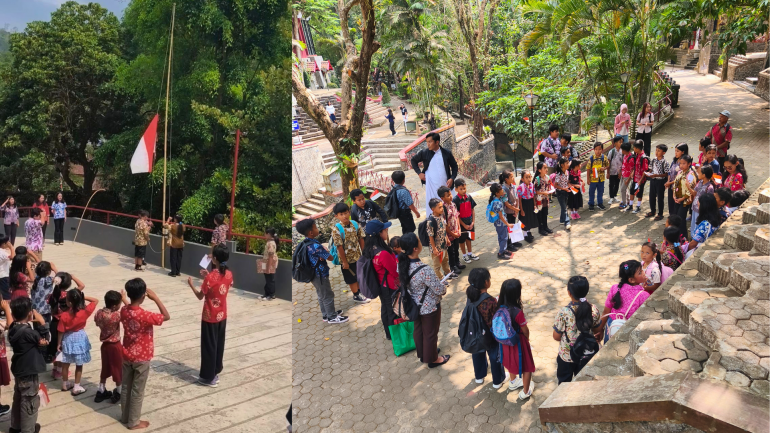
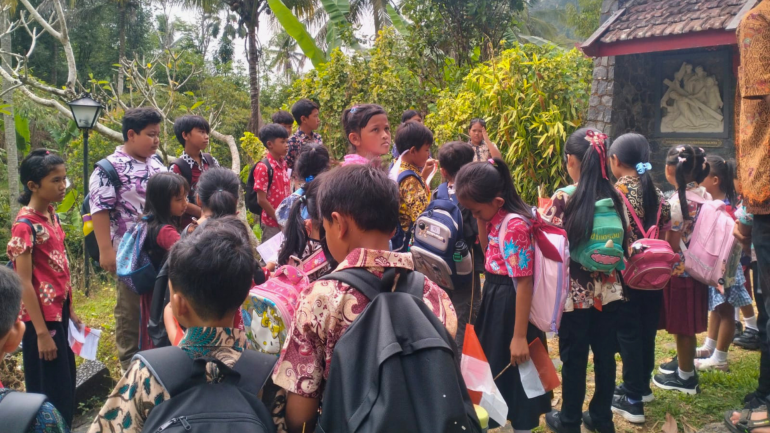
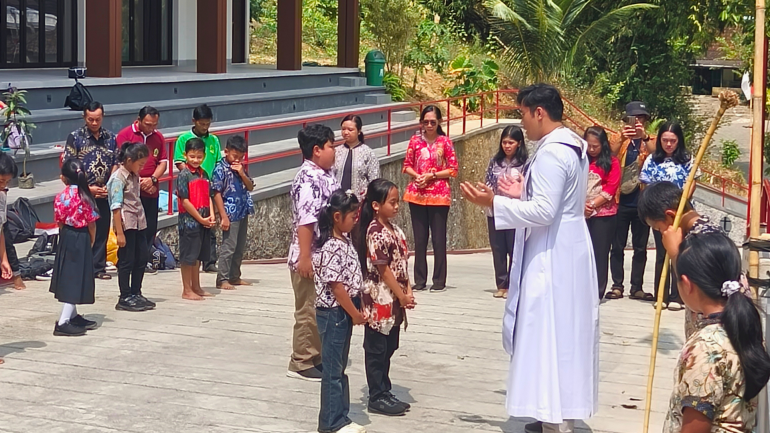
The children participated in the Eucharist, walked about two kilometers along the Stations of the Cross, planted three mango trees and concluded with a Red and White flag-raising ceremony.
The celebration reflects the educational mission of Kanisius Schools, Catholic schools in the Archdiocese of Semarang managed by the Jesuits, which combine academic learning with faith, character formation, social responsibility and care for creation.
The theme of land and water emerged from the children’s studies of environmental conservation in the Menoreh Hills, including concerns about land excavation and its potential impact on water sources.
During the Stations of the Cross, the children reflected at the third, seventh and ninth stations, traditionally associated with Jesus falling while carrying the cross to Calvary. The three falls became a symbol of humanity’s failures in caring for creation. The children prayed for Indonesia’s land, water and people and were encouraged to see environmental responsibility as beginning with everyday choices.
The children then planted three mango seedlings named Nuswa, Swatantra and Rahayu. Nuswa, derived from Nuswantara or Nusantara, refers to the land where people live and grow. Swatantra, from Sanskrit, points to self-governance and the responsibility that accompanies freedom. Rahayu, a Javanese word associated with safety and well-being, expresses hope that protecting land and water will promote well-being for all.
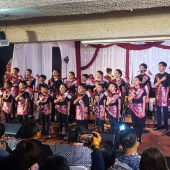
The children prayed over the seedlings and sang Indonesian songs, including Satu Nusa Satu Bangsa and Air Sumber Hidup. Organic fertilizer produced through the school’s Wiji Thukul community was used for the trees.
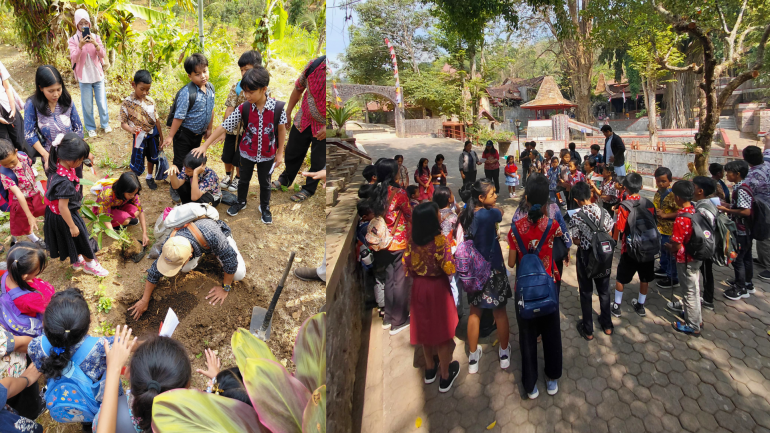
Sendangsono has particular significance in the history of Catholicism in Java. On December 14, 1904, Jesuit Fr. Frans van Lith baptized 171 local people using water from a spring among sono trees. The site was officially declared a Catholic pilgrimage destination in 1929.
More than a century later, the children returned to the site, connecting its Catholic heritage with a contemporary commitment to protecting Indonesia’s environment. They also prayed the Hail Mary for the Archipelago during the pilgrimage.
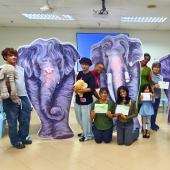
The celebration reflects Kanisius Kenalan’s approach to education as a “school of life,” where children learn through direct experience of their surroundings. The school’s activities include exploring forests and water sources, agriculture, traditional markets, music, dance and traditional games.
The school also operates the Republic of Anak Kenalan (RAK), a student-led organization that teaches leadership and democratic participation.
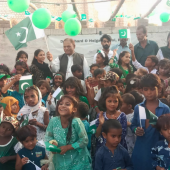
The flag-raising ceremony was led by Adelio, a sixth-grade student and RAK president. He called on participants to remember the nation’s heroes and preserve the homeland for the common good.
Through RAK, students elect their president, hear candidates’ visions, participate in a student cabinet and discuss school concerns through a children’s forum.
For Kanisius Kenalan, the Independence Day celebration was more than a national ceremony. It brought together faith, children’s leadership, national identity and care for creation, teaching students that love for their homeland can be expressed through prayer, responsible leadership and protection of the land and water on which their communities depend.
Radio Veritas Asia (RVA), a media platform of the Catholic Church, aims to share Christ. RVA started in 1969 as a continental Catholic radio station to serve Asian countries in their respective local language, thus earning the tag “the Voice of Asian Christianity.” Responding to the emerging context, RVA embraced media platforms to connect with the global Asian audience via its 21 language websites and various social media platforms.
Latest News