“Many countries envy and admire Indonesia because we have Pancasila and the motto Bhinneka Tunggal Ika” (“Unity in Diversity”).
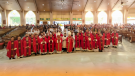
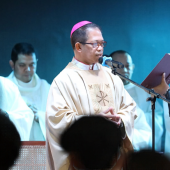
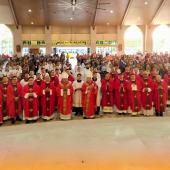
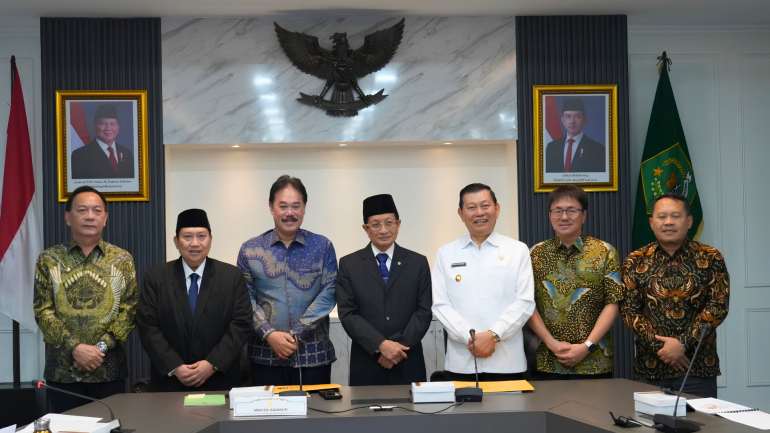
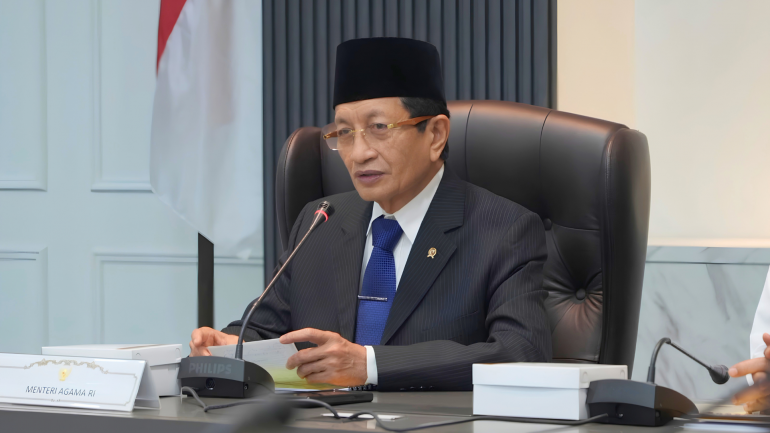
Minister of Religious Affairs Prof. Nasaruddin Umar made the remark on September 29 during a meeting with organizers of the 2027 National Catholic Pesparani, a nationwide Catholic festival of liturgical music, Scripture and faith, which will be held in Manado, North Sulawesi.
Nasaruddin welcomed the preparations for the event and expressed hope that Pesparani 2027 would help strengthen Indonesia’s diversity and fraternity.
Manado, the capital of North Sulawesi in eastern Indonesia, will host the event under the theme “One Harmony, Walking Together from North Sulawesi for a United and Fraternal Indonesia.” The gathering is expected to bring together Catholic representatives from all 38 provinces for an encounter combining faith, music, culture and national fraternity.
Nasaruddin said religious activities can provide an important space for strengthening communal life in Indonesia’s diverse society. Describing religion as an expression of mythos, logos and ethos, he emphasized the ethos of building communities that respect one another and live together in harmony.
Connecting this vision with the Indonesian motto of Bhinneka Tunggal Ika, He expressed hope that Pesparani would contribute to strengthening these values through an encounter among Catholics from different regions and cultural backgrounds.
For Muliawan Margadana, chairman of the National Catholic Pesparani Development and Formation Institute (LP3KN), the event is about more than competition.
“Pesparani is not merely a competition. It is a cultural movement and an action of love,” he said.
Pesparani brings Catholics together through activities such as choral singing, psalm singing, Scripture proclamation and religious knowledge. It also provides opportunities to develop liturgical ministries, including psalmists, lectors, choir directors and organists.
The festival also provides a national platform for Indonesia’s diverse Catholic communities to express their faith through local languages, musical traditions and cultural forms. Catholic musical expressions can draw from the traditions of communities including Dayak, Flores, Javanese and Batak peoples.
Fr. Nikasius Jatmiko, executive secretary of the Catholic Bishops’ Conference of Indonesia (KWI), described Pesparani as a significant moment for Indonesian Catholics, bringing together representatives from across the country.
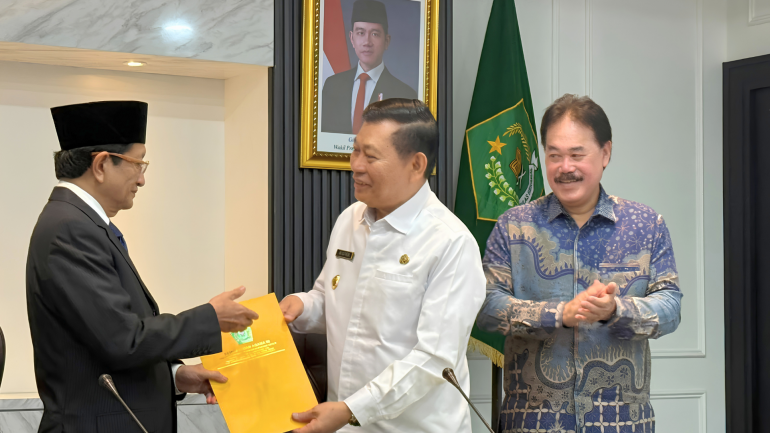
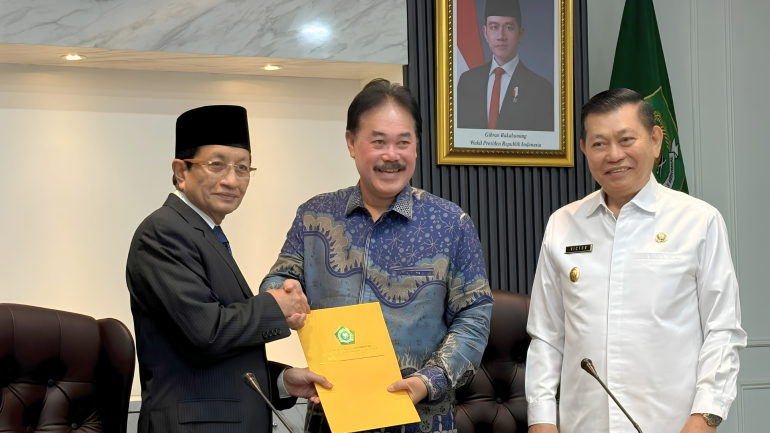
The 2027 event will be chaired by Dr. J. Victor Mailangkay, S.H., M.H., vice governor of North Sulawesi. He reported that preparations for the program, venues and organizational arrangements were already underway.
The September 29 meeting brought together representatives of the Ministry of Religious Affairs, the North Sulawesi government, Manado and Tomohon city governments, the Catholic Bishops’ Conference of Indonesia (KWI) and the National Catholic Pesparani Development and Formation Institute (LP3KN).
Preparations also involve dioceses and other Church and community stakeholders.
Beyond its religious purpose, the national gathering is expected to bring economic opportunities to North Sulawesi through increased activity in accommodation, transportation, tourism, food services and small businesses.
For the organizers, however, the wider significance of Pesparani lies in bringing together Catholics from Indonesia’s many regions and cultural communities.
From Manado, Pesparani 2027 is intended to become an encounter where faith, liturgy, culture and music contribute to a shared celebration of Indonesia’s diversity and fraternity.
Radio Veritas Asia (RVA), a media platform of the Catholic Church, aims to share Christ. RVA started in 1969 as a continental Catholic radio station to serve Asian countries in their respective local language, thus earning the tag “the Voice of Asian Christianity.” Responding to the emerging context, RVA embraced media platforms to connect with the global Asian audience via its 21 language websites and various social media platforms.
Latest News