Indonesian Church Marks 100 Years of Kota Baru Parish, Looks to Asia’s Changing Realities

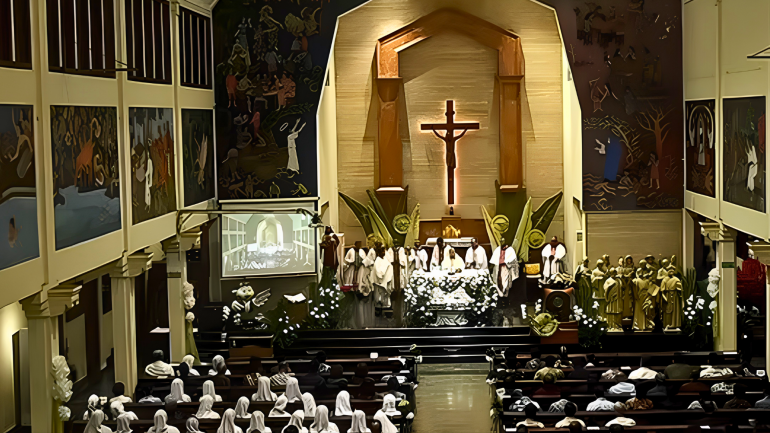
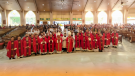
A Catholic parish in Central Java, Indonesia, marked its 100th anniversary with a Thanksgiving Mass on Saturday, September 26, calling the Catholic community to carry its century-old legacy into a new era of mission.
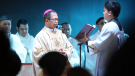
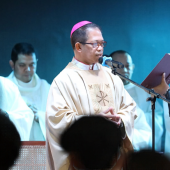
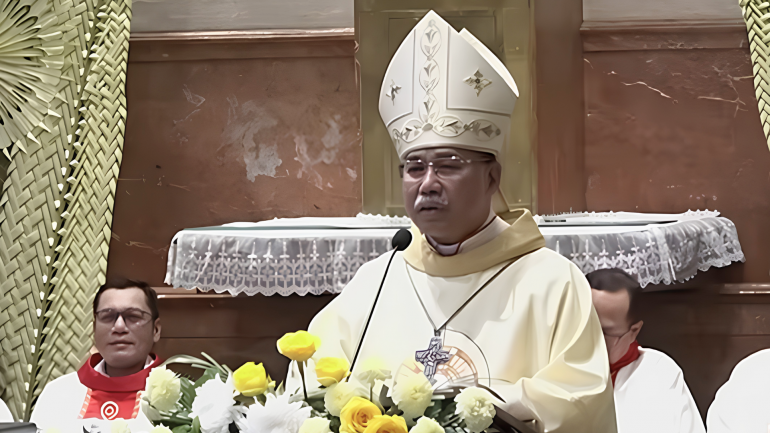
The centenary celebration of St. Anthony of Padua Church in Kota Baru, Yogyakarta, was held under the theme “Kota Baru Church: Companions on the Journey in Hope.” Archbishop Robertus Rubiyatmoko of Semarang presided over the Mass and challenged the faithful to see the centenary not simply as a celebration of the past but as an opportunity to discern what the Church should become in its second century.
“Others worked in this vineyard 100 years ago. Now it is our turn to work,” Archbishop Rubiyatmoko said in his homily.
He emphasized that the history of Kota Baru Church is not primarily about a building that has stood for a century, but about generations of faithful who have built and sustained a community of faith.
The centenary, he said, should therefore go beyond remembering history, holding celebrations or publishing a commemorative book. The Church must read the changing realities of society and respond to the needs of people today and in the future.
The century-long journey has been documented in Tujuh Jejak Rahmat (Seven Traces of Grace), which Archbishop Rubiyatmoko described as a resource for reflecting on the community’s experience and discerning its future.
The seven traces include the beginnings of the mission in the early 20th century, Kota Baru’s identity as an open Church, its concern for young people, interreligious cooperation and social ministry.
The Archbishop invited the faithful to discover an “eighth bundle” — a Church increasingly open to everyone, where people can find God, find friends and rediscover hope.
“The best legacy of the first 100 years is not something we keep, but something we must plant in the next generation,” he said.
He called for particular attention to young people, children, families facing difficulties and elderly people. The Church, he said, must also remain close to the poor, people with disabilities, those who are lonely or wounded, and those searching for God.
Archbishop Rubiyatmoko also stressed that the parish should be a place of ongoing faith formation for children, young people, adults and the elderly, rather than simply a place where people attend Mass.
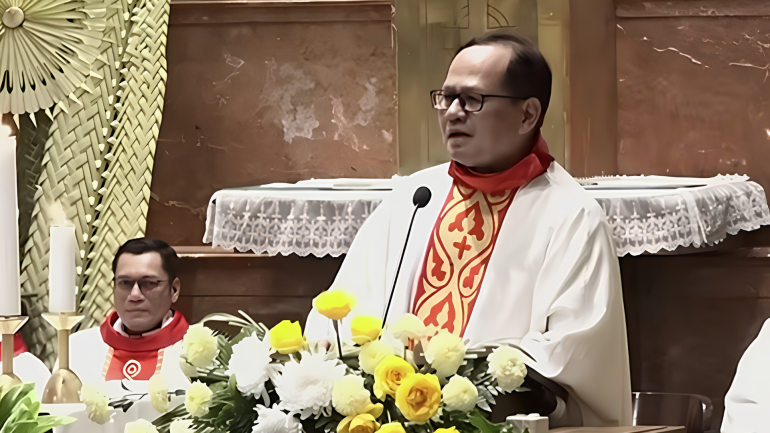
Fr. Albertus Bagus Laksana, SJ, provincial of the Indonesian Province of the Society of Jesus, described Kota Baru Church as a “laboratory of mission” and a “laboratory of pastoral ministry.” He said its history demonstrates a willingness to examine changing realities and seek creative pastoral responses, particularly in mission, youth ministry, social ministry and interreligious engagement.
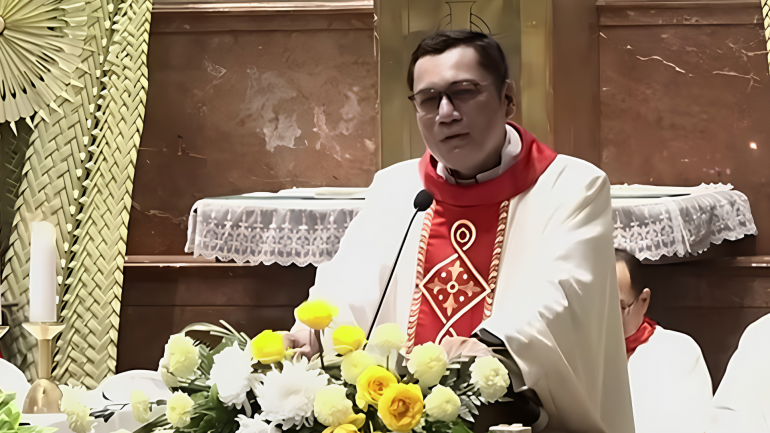
Fr. Marcellinus Tanto, Pr., Episcopal Vicar for East Yogyakarta, reflected on the centenary theme and emphasized the people who have carried the Church’s journey across generations. Missionaries, priests, lay faithful, young people, parish leaders and various communities have all contributed to its history.
Kota Baru’s Catholic mission developed in the early 20th century. In 1918, Jesuit Father Franciscus Strater used a house in the area as a rectory and center for religious instruction, worship and formation. As the Catholic community grew, a larger church became necessary.
On September 26, 1926, St. Anthony of Padua Church was blessed by Bishop A. van Velsen, SJ, then Apostolic Vicar of Batavia. Kota Baru became an independent parish on January 1, 1934.
As it enters its second century, the community is being called to preserve not only its history but its missionary spirit, remaining open, attentive to society, committed to young people and those in need, and continuing to be a companion on the journey of hope.
Radio Veritas Asia (RVA), a media platform of the Catholic Church, aims to share Christ. RVA started in 1969 as a continental Catholic radio station to serve Asian countries in their respective local language, thus earning the tag “the Voice of Asian Christianity.” Responding to the emerging context, RVA embraced media platforms to connect with the global Asian audience via its 21 language websites and various social media platforms.
Latest News