From One Hectare to Ten: Philippine Catholic Foundation Expands Home for the Elderly

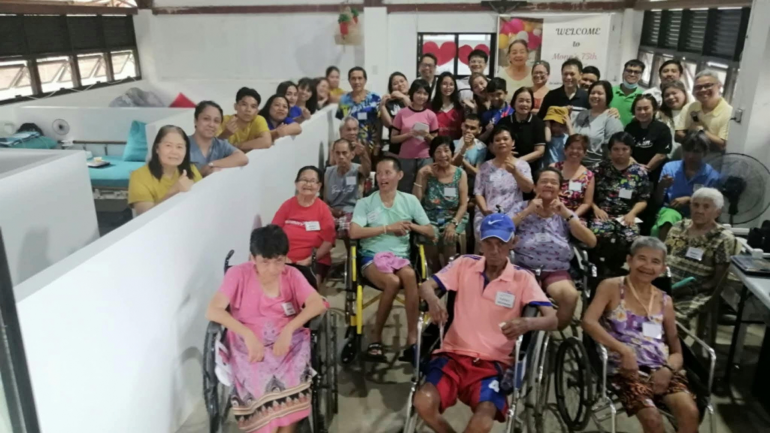
What began with one hectare of donated land is gradually becoming a much larger home for elderly people who once had nowhere to go.
The Josefheim Foundation is developing nearly 10 hectares of land in Pililla, Rizal, southeast of Metro Manila, for its home for the elderly, while setting aside space for farming, tree planting and other activities designed to make the foundation more self-sustaining.
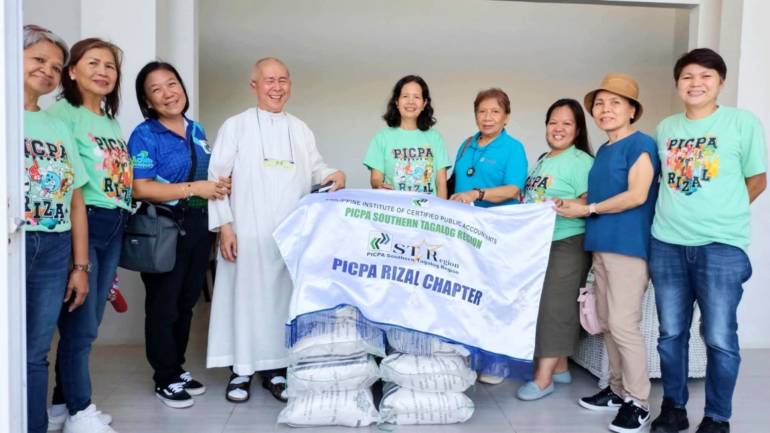
Fr. Uldarico “Dari” Dioquino, parochial vicar at the Diocesan Shrine and Parish of St. Pio of Pietrelcina in Antipolo and a key figure behind the Josefheim Foundation, said the 10 hectares consist of several properties in the same area, acquired through different arrangements.
The foundation’s current home occupies one hectare under a perpetual-use or usufruct arrangement with the Camposano family from Gubat, Sorsogon. Another three hectares are being secured through a combination of donation and lease, while six hectares are being developed through a joint venture.
“Our 10 hectares are separate places but in one area only,” Fr. Dioquino said.
The expansion reflects the foundation’s effort to move beyond simply providing shelter and toward creating a more sustainable environment where elderly residents can live with dignity while the organization develops additional sources of food and financial support.
Of the 10 hectares, about 5 percent will be used for roads and around 25 percent for infrastructure. Most of the remaining land will be devoted to farming.
Agriculturist Charles Dave Bautista said converting idle land into productive agricultural areas can help communities make better use of available land while adapting appropriate technologies to local conditions.
“It allows us to improve and adapt agricultural technologies to make better use of idle land,” said Bautista, who is currently working in the Department of Agriculture- Nueva Vizcaya experiment station.
Bautista said such agricultural practices can contribute to food security by increasing crop production while reducing reliance on synthetic pesticides.
“It contributes to food security by producing healthy, high-yielding crops,” he said.
The agricultural component is intended first to provide food for the foundation. Vegetables, herbs and other crops will be grown to support the needs of the residents. Any surplus could eventually be sold to help finance the foundation’s operations.
“The reason for planting first is food security for the foundation. If there is a surplus, we can sell it for financial support of the foundation,” Dioquino said.
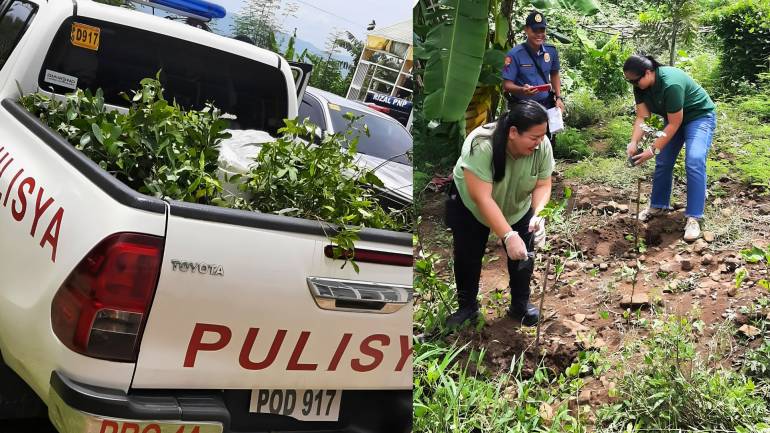
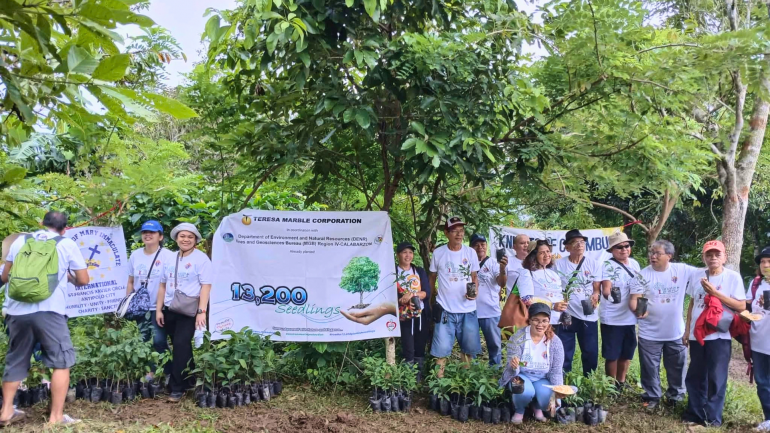
The foundation has already planted nearly 1,000 trees, including fruit-bearing and native species. Among them are narra, mango, rambutan, marang and jackfruit. More native trees are also planned.
The land will also be used to grow vegetables, herbs and ornamental plants, including sunflowers and potentially tulips.
For Josefheim, however, sustainability goes beyond planting crops and trees. The foundation plans to incorporate composting, agroforestry and zero-waste practices into its operations.
“We will have composting, agroforestry, no waste product and environmental practices,” Dioquino said.
The goal is to make use of materials that might otherwise be discarded. Organic waste can be composted and returned to the soil, while agricultural activities can be integrated into a system in which resources are reused rather than thrown away.
“No waste is to be thrown out. All can be used,” Dioquino said.
The expansion is still a work in progress. Some land arrangements are still being finalized, while farming and tree-growing activities continue to develop.
But the project points to a broader vision for caring for vulnerable older people, one in which a home is connected not only to shelter and care, but also to food production, environmental stewardship and long-term sustainability.
From the original one-hectare site to a planned 10-hectare area, Josefheim is gradually creating a place where the land itself can become part of its mission: providing a home for the elderly while cultivating resources that can help sustain that home for years to come.
Radio Veritas Asia (RVA), a media platform of the Catholic Church, aims to share Christ. RVA started in 1969 as a continental Catholic radio station to serve Asian countries in their respective local language, thus earning the tag “the Voice of Asian Christianity.” Responding to the emerging context, RVA embraced media platforms to connect with the global Asian audience via its 21 language websites and various social media platforms.
Latest News