



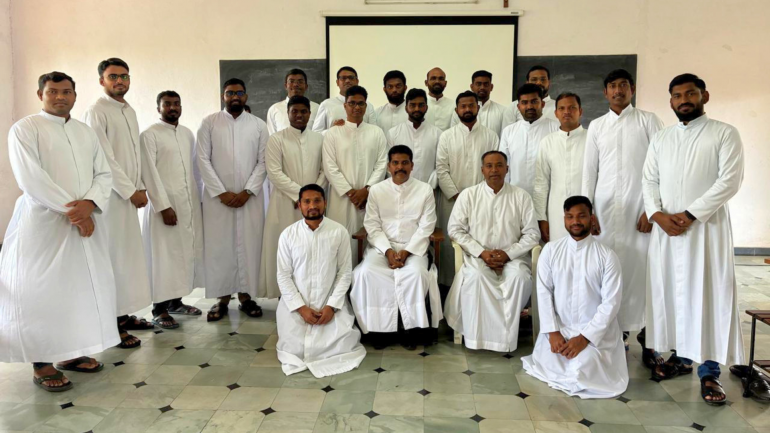
Twenty-three theology students preparing for ordination to the diaconate have received formation in ecumenical ministry, equipping them to promote Christian unity and build relationships with Christians of other traditions in their future pastoral service.
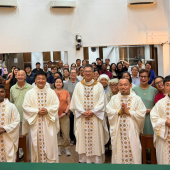
The week-long course was held from September 3 to 10 at St. John’s Regional Seminary in Hyderabad, the capital of Telangana in southern India. The seminarians were fourth-year theology students preparing for ordination and pastoral ministry.
The course was facilitated by Fr. Anthaiah Kondaveeti, executive secretary of the Commission for Ecumenism of the Conference of Catholic Bishops of India (CCBI), who served as the resource person.
The program sought to deepen the seminarians’ understanding of the Catholic Church’s commitment to Christian unity and prepare them to develop respectful, collaborative relationships with other Christian communities.
The academic sessions examined the historical divisions within Christianity, the origins and development of the modern ecumenical movement, and the Catholic Church’s teaching on ecumenism.
Particular attention was given to the Second Vatican Council’s Decree on Ecumenism, Unitatis Redintegratio, St. Pope John Paul II’s encyclical Ut Unum Sint, and the Vademecum on Ecumenism for bishops, along with other Church teachings and documents on Christian unity.
The seminarians also learned about the diversity of Christian Churches and ecclesial communities in Hyderabad and the wider region. The sessions emphasized the importance of prayer, dialogue, mutual understanding and practical cooperation with Christians of other traditions.
Rev. Pastor Giri Babu of the Good Shepherd Church of India shared his experience of ecumenical engagement and reflected on the need for greater Christian unity in the present context. His presentation offered the seminarians practical insights into both the opportunities and challenges of dialogue and cooperation among Christians.
A major component of the course was a series of field visits on September 10 to Christian communities in Hyderabad. The seminarians visited the Good Shepherd Church of India, Mar Thoma Church, Malankara Orthodox Church, CSI Wesley Church, Centenary Baptist Church and the Seventh-day Adventist Church.
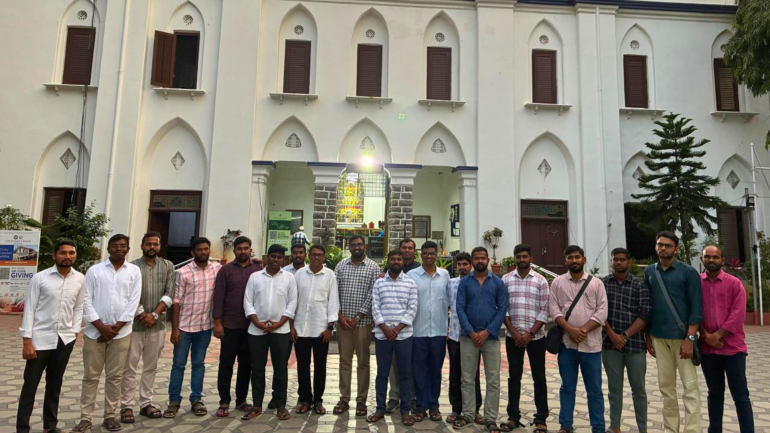
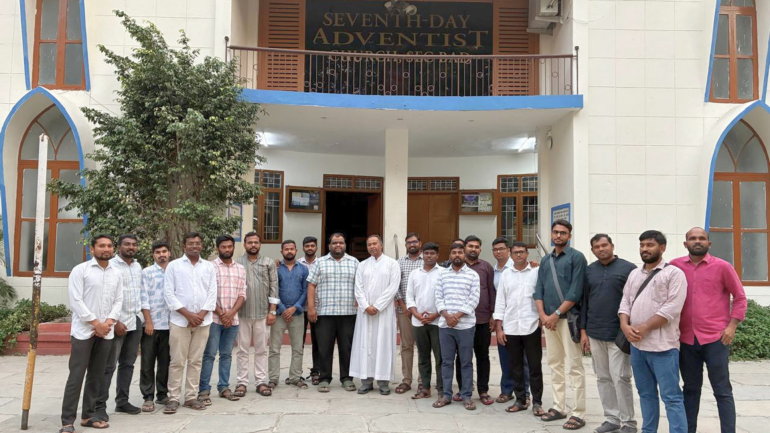
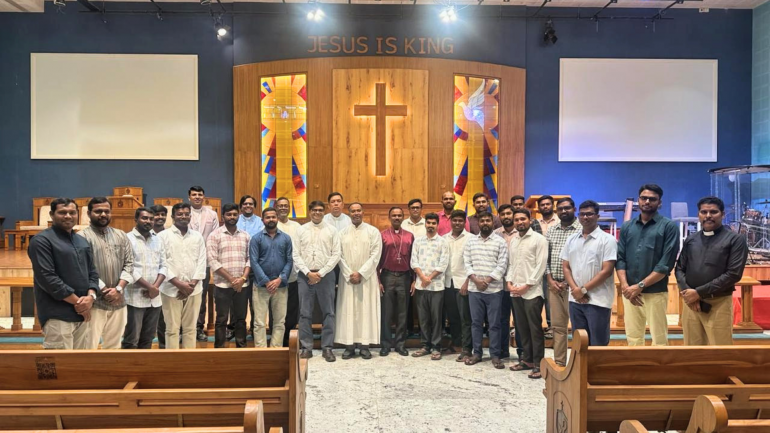
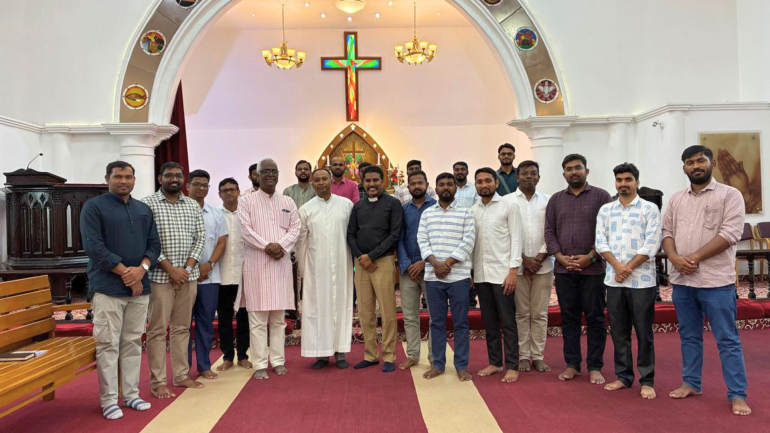
Hyderabad is one of India’s major metropolitan centers and a historic meeting point of different religious, cultural and linguistic communities. The city is home to Christian communities belonging to several traditions, making it a significant setting for practical ecumenical formation.
During the visits, the seminarians met pastors and Church leaders, learned about the traditions and ministries of the respective communities, and had opportunities to ask questions and discuss areas of common Christian witness.
The encounters gave the students first-hand exposure to the diversity of Christian traditions and showed how ecumenism could be practiced at the local level through personal relationships, dialogue, prayer and cooperation.
The program concluded with a renewed appreciation of Christian unity and the role of priests in promoting dialogue, reconciliation and mutual understanding among Christians.
The organizers thanked the rector and staff of St. John’s Regional Seminary for supporting the academic sessions and field visits. They also expressed appreciation to the pastors and Church leaders who welcomed the seminarians and shared their experiences.
Special gratitude was extended to Bishop Josh Lawrence D’Souza of the Good Shepherd Church of India, who took a personal interest in the program, interacted with the seminarians and encouraged them in their commitment to Christian unity.
The organizers said the week-long experience helped the future ministers move beyond classroom study and encounter ecumenism through direct engagement with Christian communities. The formation was intended to help them carry the Catholic Church’s commitment to Christian unity into their future pastoral ministry, an important dimension of the Church’s witness in India and across Asia.
Radio Veritas Asia (RVA), a media platform of the Catholic Church, aims to share Christ. RVA started in 1969 as a continental Catholic radio station to serve Asian countries in their respective local language, thus earning the tag “the Voice of Asian Christianity.” Responding to the emerging context, RVA embraced media platforms to connect with the global Asian audience via its 21 language websites and various social media platforms.
Comments
Latest News




- Reply
Permalink