Sri Lankan Government Interrogates Sinhalese Priest Fighting for Tamil People’s Rights

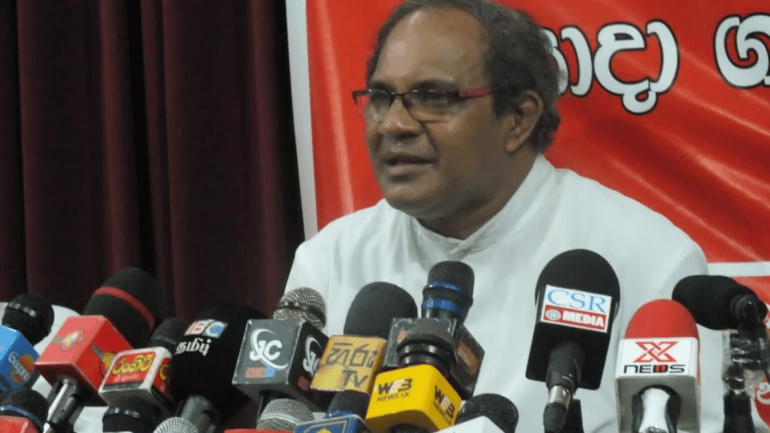
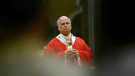
Fr. Sherad Jayawardena, a prominent Catholic priest of the Archdiocese of Colombo known for his vocal advocacy for the oppressed, was summoned by the Sri Lanka Counter terror police (TID) last on Jan 23 and was subjected to more than four hours of interrogation.
The summons was reportedly linked to a commemorative event held in May 2025 in Negombo, often referred to as "Little Rome", which honored the victims and those killed during the three-decade-long war in the North and East.
Bridging the Ethnic Divide
Investigating officers specifically questioned Fr. Jayawardena on his motivations, asking why he, as a Sinhalese priest from the South, speaks out for the Tamil people of the North.
Fr. Jayawardena, who bases his activism on Biblical principles of justice, has a long history of standing with the marginalized in the North, the South, and the Hill Country. He maintains no political affiliations. He is widely recognized for his pioneering role in the pursuit of justice following the 2019 Easter Sunday attacks. When official institutions hesitated, Fr. Jayawardena, along with Fr. Sarath Iddamalgoda and lawyer Fr. Ashok Stephen (OMI), filed the initial Fundamental Rights petition that eventually led to compensation for victims and the exposure of negligence. This legal path was later joined by the Bar Association of Sri Lanka and Cardinal Malcolm Ranjith.
A Legacy of Grassroots Activism
Beyond national issues, Fr. Jayawardena is a frontline activist for:
● Fisheries Rights: Defending the predominantly Catholic fishing community in Negombo.
● Environmental Protection: Leading struggles to preserve the Negombo Lagoon.
● Education: Serving as a teacher and acting principal in several Catholic schools.
Currently, he is a vocal critic of the Prevention of Terrorism Act (PTA) and proposed national security legislations that threaten the freedom of expression for all citizens Sinhalese, Tamil, and Muslim alike.
"We Cannot Limit Our Witness"
In a statement to RVA following his interrogation, Fr. Jayawardena reflected on the nature of his priesthood:
"They asked me why I raise my voice for the Tamil people. I told them that the Catholic Church in Sri Lanka consists of both Sinhalese and Tamils. We studied together in the seminary; they are our brothers. We have witnessed their suffering firsthand since the early days of the war. As a priest, I cannot categorize suffering as 'Sinhalese' or 'Tamil'."
He further emphasized the universal nature of the Christian message:
"Jesus taught us to pray to 'Our Father who art in Heaven', not the Father of only Catholics, or only the Sinhalese, or only the Tamils. We must see Jesus in everyone who suffers, regardless of their ethnicity or religion. If someone is oppressed, Jesus said, 'That is me.' Therefore, we cannot limit our witness to a specific group."
Standing Firm Against Intimidation
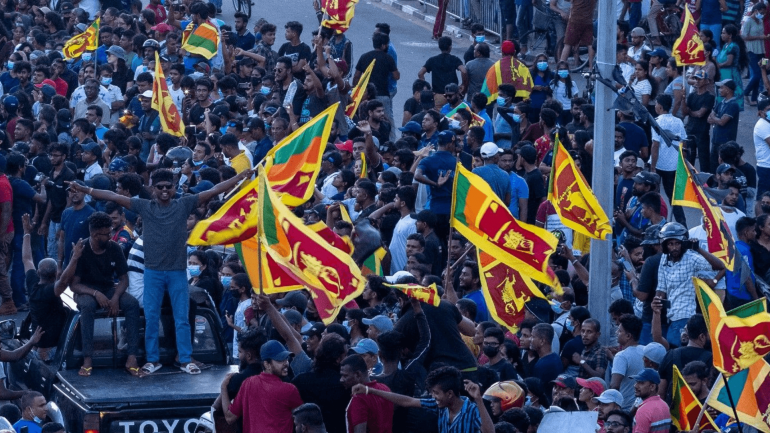
Fr. Jayawardena noted that the summoning of activists, priests, and nuns has become a recurring tactic to silence dissent, particularly following the Aragalaya (People's Protest) movement.
"Facing state repression is a part of the priestly calling," he said. "The government takes these steps to intimidate social activists. But we believe in a God who tells us, 'Do not be afraid, for I am with you.'"
The decision to question Fr. Jayawardena has been widely condemned by Christian activists and human rights defenders, who view it as an attempt to stifle those working toward genuine national reconciliation.