

“Stop Fixing, Start Accompanying”: Asian Seminaries Urged to Rethink Priestly Formation

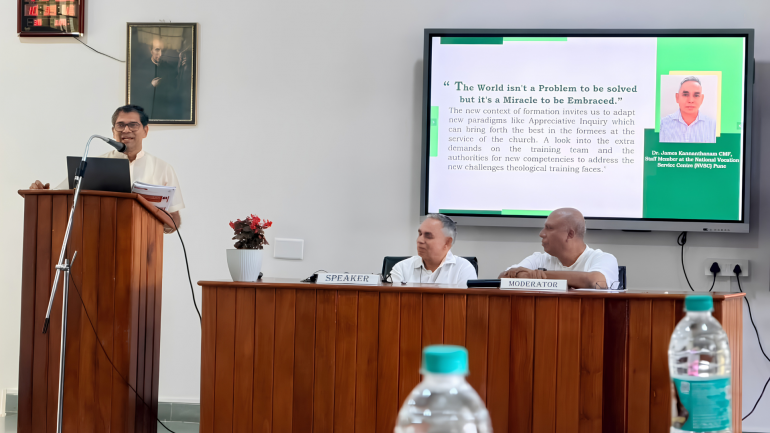
Catholic seminaries across Asia must move away from treating candidates as problems to be corrected and instead recognize their gifts, accompany their personal growth and prepare them for the realities of pastoral ministry, three Church leaders said at a regional symposium in southern India.
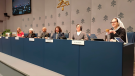
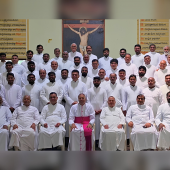
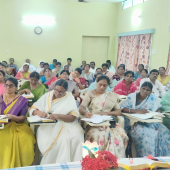
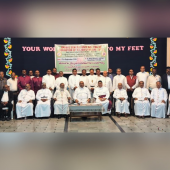
The call emerged during a symposium on “Bridging Formation and Ministry: Critical Challenges and Concerns in the Last Phase of Priestly Formation Today,” held November 5–9 at Prabodhana, the Pallottine Institute of Theology in Mysuru, Karnataka. About 100 participants attended the gathering, organized in the context of the Pallottine Platinum Jubilee.
Dr. James Kannanthanam CMF of the National Vocation Service Centre (NVSC) in Pune, western India, urged formators to adopt a more appreciative approach to accompanying seminarians, particularly those from rural communities and economically disadvantaged backgrounds.
He observed that some formators approach their responsibilities by focusing primarily on candidates' shortcomings rather than their potential. Drawing on Appreciative Inquiry, an approach developed by David Cooperrider, he encouraged formators to see each candidate not as a problem to be fixed but as a person with gifts and possibilities to be embraced.
He outlined four stages of this approach, Discovery, Dream, Design and Destiny, through which candidates identify their strengths, discern their aspirations and take ownership of their vocational growth. What formators choose to recognize and encourage, he said, can shape the development of those entrusted to their care.
Dr. Francis Scaria, rector of Khrist Premalaya Seminary in Ashta, Madhya Pradesh, highlighted structural challenges in seminary formation, including recruitment through undue attraction, isolation from the social realities of candidates' home communities and evaluation systems that prioritize academic performance over personal and spiritual maturity. He cautioned against preparing seminarians for an unrealistic model of priesthood that ultimately produces administrators rather than pastoral ministers.
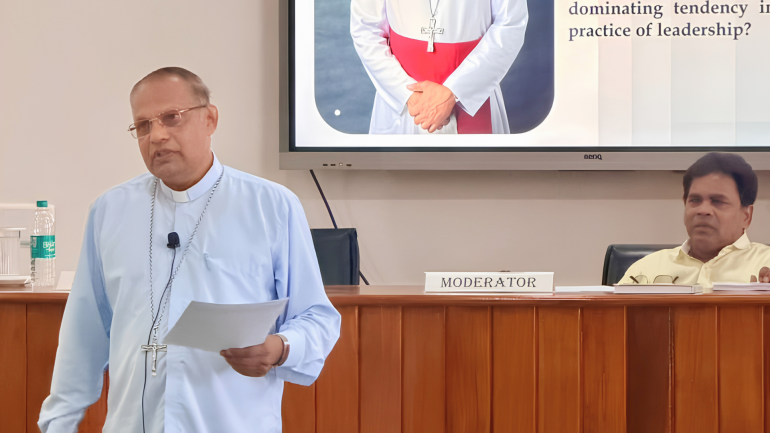
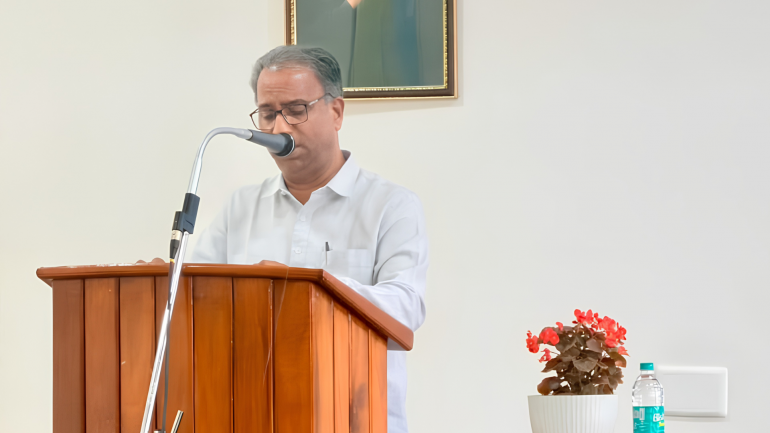
Bishop Peter Paul Saldanha of Mangalore, southwestern India, focused on authority, accountability and synodality, calling for changes in how future priests understand leadership and service.
Describing clericalism as a major distortion of the image of the shepherd, he said synodality requires turning the traditional pyramid of authority upside down and promoting shared responsibility across the Church.
He urged seminaries to introduce accountability from the formation stage, encourage women's participation in formation processes and strengthen connections between formation houses and parish communities.
The three presentations addressed interconnected challenges facing priestly formation across Asia, where candidates come from diverse cultural, economic and social backgrounds.
Their common message was that formation must prioritize accompaniment over correction, pastoral experience over institutional isolation, and servant leadership over clerical authority. Seminaries, they stressed, must prepare priests to walk with people, recognize their gifts and serve collaboratively with the entire People of God.
Radio Veritas Asia (RVA), a media platform of the Catholic Church, aims to share Christ. RVA started in 1969 as a continental Catholic radio station to serve Asian countries in their respective local language, thus earning the tag “the Voice of Asian Christianity.” Responding to the emerging context, RVA embraced media platforms to connect with the global Asian audience via its 21 language websites and various social media platforms.
Latest News