

‘Theology must Respond to the Questions, Hopes and Sufferings of Humanity,’ says Mumbai Rector Appointed to Vatican Commission

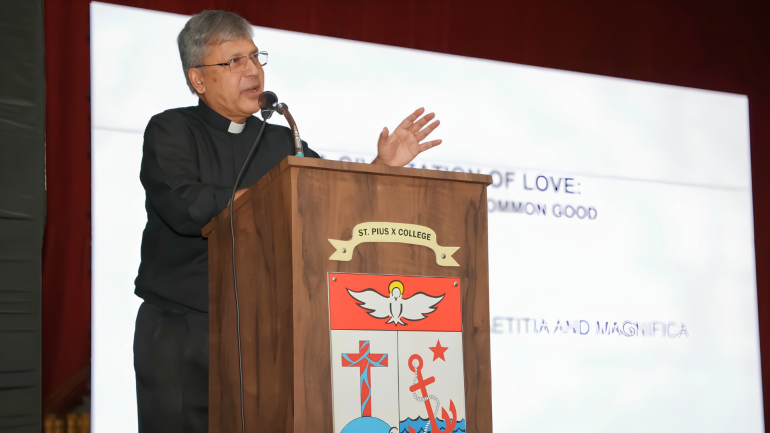
Theology must help the Church respond credibly to the questions, hopes and sufferings of humanity today, says Fr. Gilbert Delima, rector of St. Pius X College in Mumbai, one of four Asian theologians appointed by Pope Leo XIV to the International Theological Commission (ITC) for the 2026–2031 term.
In an exclusive interview with Radio Veritas Asia (RVA), Fr. Delima said the Churches of Asia could enrich universal Catholic theology through their experience of religious pluralism, poverty, marginalization and the spiritual traditions of the region.
“I was too stunned for words. I felt deeply honoured with this appointment and at the same time, felt so unworthy to receive the same,” he said, recalling his reaction to the appointment. “I asked the Lord for his strength and the Spirit for his wisdom to undertake the responsibilities that this post would carry.”
The ITC advises the Holy See on important theological questions. Fr. Delima’s appointment brings to its work the experience of the Church in India, where Catholics live alongside people of different religious traditions and confront significant social and pastoral challenges.
“The Churches of Asia can make a distinctive contribution to the work of the International Theological Commission (ITC) by bringing to universal Catholic theology the wisdom of ancient religious traditions, the experience of living in religiously plural societies, the perspectives of the poor and marginalized, and the insights of local Churches that are often a minority within their cultural contexts,” he said.
For Fr. Delima, Asia’s contribution must go beyond offering examples from the region to support theological ideas developed elsewhere. The lived faith and experiences of local Churches must also shape theological reflection.
“The contribution of Asia is to help the universal Church recognize that theology becomes more catholic when the lived faith, cultural wisdom, spiritual experience and struggles of all the Churches are allowed to shape theological reflection,” he said.
He emphasized that this approach does not mean replacing Western theology with an Asian alternative, but fostering an intercultural Catholic theology in which traditions learn from one another in the light of the Gospel.
As executive secretary of the Conference of Catholic Bishops of India (CCBI) Commission for Theology and Doctrine since 2023, Fr. Delima has worked to strengthen theological and pastoral formation across the country. He said the commission sought to promote synodal, ongoing formation for clergy, religious and laypeople, including collaboration with the Conference of Religious India to strengthen the formation of women religious.
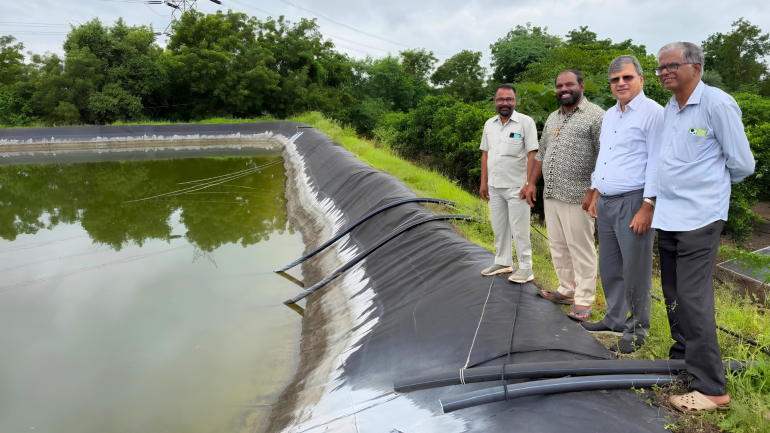
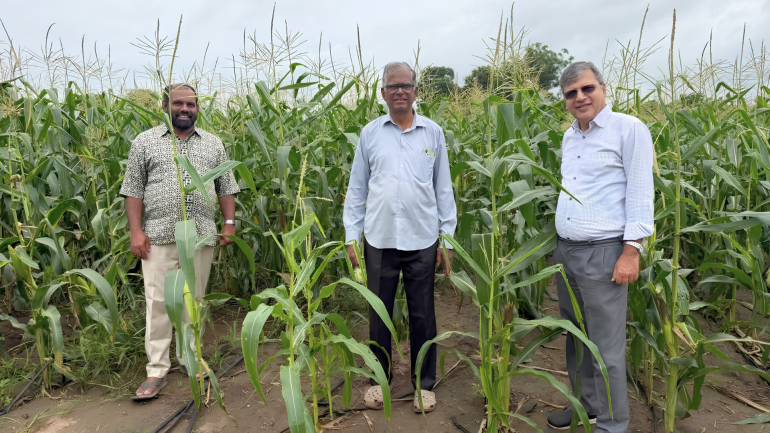
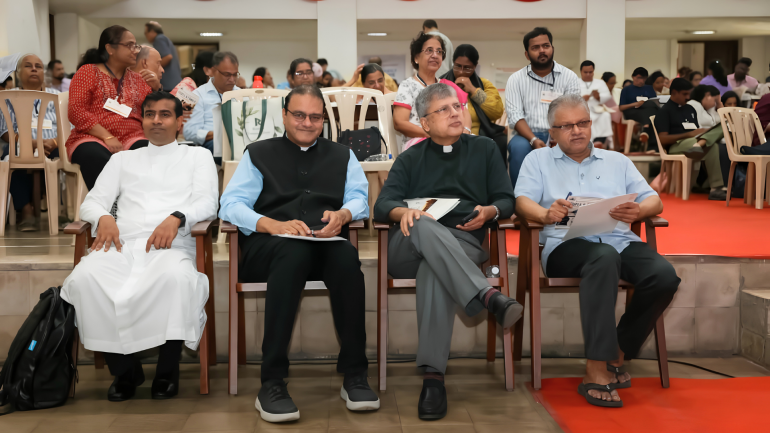
He also pointed to the challenges facing India, including dehumanizing poverty, unequal distribution of wealth and resources, religious polarization and concerns about the political climate.
“The Commission for Theology and Doctrine is not an esoteric Commission,” he said. “Recognizing its role at the grass-roots, it seeks to respond to these challenges in a synodal manner and in a comprehensive way.”
Fr. Delima hopes to bring this perspective to his five-year term on the international commission, grounding theological reflection in the apostolic tradition while remaining attentive to contemporary realities.
“My priorities would arise from the conviction that theology must not only clarify the faith of the Church but also help the Church respond credibly to the questions, hopes and sufferings of humanity today,” he said.
Fr. Delima holds a doctorate in systematic theology from the Pontifical Urban University in Rome, graduating summa cum laude. He has served as a professor at St. Pius X College in Goregaon, Mumbai, during 1985–2011 and became rector in 2024. His other responsibilities have included service in the Archdiocese of Bombay’s ecumenical and interreligious dialogue commissions and as vice president of the International Diaconate Centre in Germany.
To Asian theologians, priests and laypeople, particularly younger scholars, he offered an invitation to develop theology rooted in their own cultures and ecclesial experiences while remaining faithful to the Church’s tradition.
“Do not be afraid to do theology rooted in your own cultures, ecclesial experiences and the lived faith of your people,” he said.
He urged theologians to listen especially to the poor, women, Indigenous communities and other marginalized groups, recognizing their experiences as important sources of theological reflection.
“Rather than asking only how to apply theology developed elsewhere, let us ask what the Holy Spirit wishes to teach the universal Church through the Churches of Asia,” he said.
Radio Veritas Asia (RVA), a media platform of the Catholic Church, aims to share Christ. RVA started in 1969 as a continental Catholic radio station to serve Asian countries in their respective local language, thus earning the tag “the Voice of Asian Christianity.” Responding to the emerging context, RVA embraced media platforms to connect with the global Asian audience via its 21 language websites and various social media platforms.
Latest News