“We Will Strive for It”: Philippine Church Remembers Bishop Warlito Cajandig, His Care for Creation Legacy Lives On

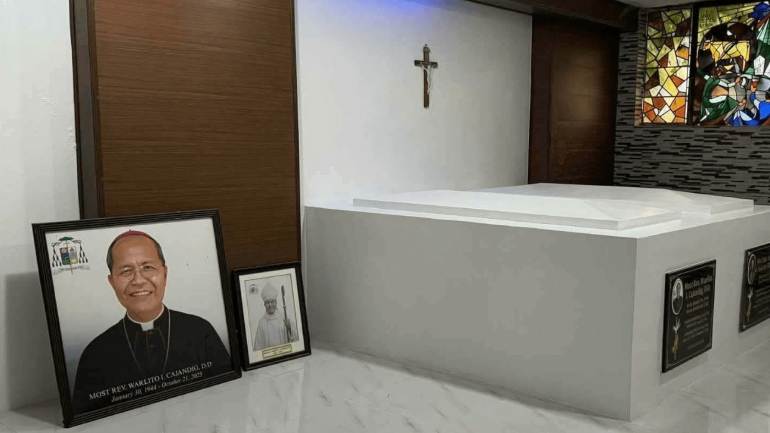
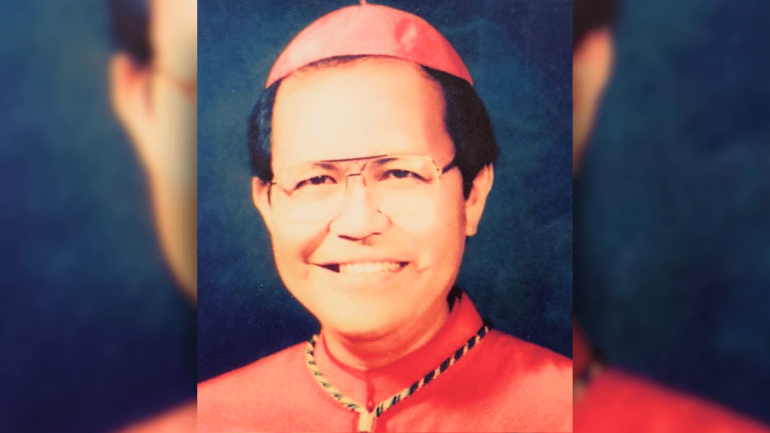
January 30 marks the birthday of Bishop-Emeritus Warlito I. Cajandig, who passed away on October 21, 2025. His presence continues to be felt—especially among members of the multi-sectoral Provincial Care Forum (PCF) in the Apostolic Vicariate of Calapan, Oriental Mindoro, Pihilipines and all those committed to protecting the environment, promoting good governance, and caring for the poor.
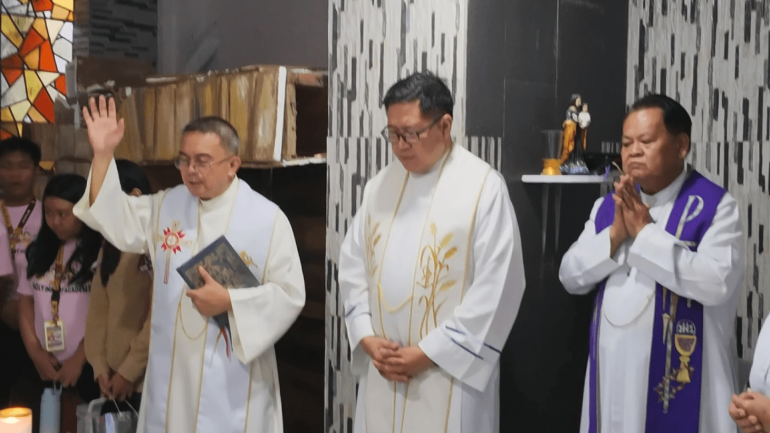
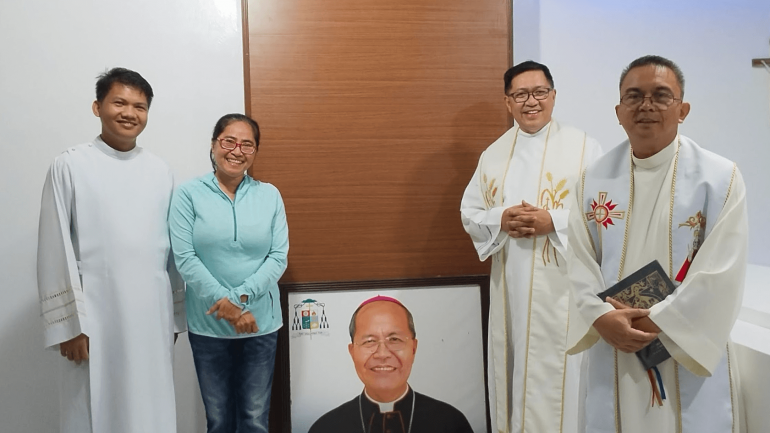
A memorial Mass was offered at Sto. Niño Parish Cathedral, presided over by Fr. Romeo Villavicencio. All the priests of the cathedral were present during the blessing of the remains of Bishop Warlito Cajandig, including Fr. Andy Peter Lubi, Fr. Willy Abas, and Fr. Mark Jay Bamboo.
A Shepherd Who Listened—and Acted
Bishop Cajandig believed that leadership begins with listening. This conviction took shape in the Provincial Care Forum, which brought together Church leaders, government officials, civil society, and grassroots communities to confront the province’s most urgent concerns.
Environmental advocate Evelyn Cacha recalled how deeply his concern for Mindoro ran, even amid his long illness: “We will never forget his advocacy for the welfare of the people of Mindoro. Through the Care Forum he established and his support for the indigenous Mangyan communities and other marginalized sectors, he will remain in our memory.”
For Cacha, Bishop Cajandig’s leadership was never distant or theoretical. It was personal, attentive, and rooted in care.
Care for Creation, Care for the People
Bishop Cajandig was a consistent voice for environmental protection, insisting that caring for creation is a moral obligation. His stand against destructive activities, particularly in Mindoro’s watersheds and ancestral lands, was unwavering.
Former Oriental Mindoro governor and now congressman Alfonso Umali underscored the bishop’s role in collective action:
“Because of his Care Forum, he worked with us to solve the problems of the entire province—environmental issues, concerns of indigenous peoples, floods, mining, and many others. Without him, we probably could not have managed those challenges.”
Umali added that Bishop Cajandig stood beside them even in rallies and hunger strikes.
Good Governance as Sacred Responsibility
For Bishop Cajandig, governance was never merely political—it was moral. The Provincial Care Forum became a rare venue where public officials were reminded that authority must always serve the common good.
Congressman Arnan Panaligan remembered the bishop as “low-profile” but relentless in advocating social and environmental reforms:
“During my stint as City Mayor, we collaborated with him in providing lands and shelter to homeless families. He donated Church-owned properties for our housing program, while the City Government supported the site development and titling.”
Panaligan also cited their partnership during the height of the anti-drug campaign of the previous administration:
“We worked with Bishop Cajandig on an alternative program called R3 to K3—a holistic approach for recovery and reintegration. The seminars were even held at the Bishop’s Residence.”
A Preferential Love for the Poor
At the heart of Bishop Cajandig’s ministry was a preferential love for the poor—especially the Mangyan communities and those living at the margins.
Dr. Edgardo Vendiola described him as a shepherd whose faith was lived through integrity and compassion:
“His voice was a constant reminder that good governance is not merely a civic duty—it is a sacred responsibility. He was a firm defender of environmental protection, believing that caring for creation is an expression of our love for the Creator.”
Vendiola emphasized that Bishop Cajandig went beyond charity:
“He pursued empowerment. He shared in the struggles of the poor and gave them a voice in the life of the Church and the province.”
A Birthday Invitation to Continue the Work
As Bishop Warlito Cajandig’s birthday is marked on January 30, members of the Provincial Care Forum and all sectors he brought together are invited not only to remember him but to carry forward his mission: to protect the environment, to uphold honest and compassionate governance, to walk with the poor and those on the peripheries and to continue listening—especially to voices often unheard.
Bishop Cajandig once said, “Pagsusumikapan natin” (“We will strive for it”).
On his birthday, that simple phrase becomes both remembrance and resolve. His legacy lives on—where care becomes action, dialogue becomes service, and faith becomes life.