

Singapore: How Catholic Members of Buddhist Families Can Share Mary with Their Kin

In many Chinese Singaporean homes, two faiths share one dinner table. A grandmother lights incense before a statue of Kuan Yin, the Buddhist figure of compassion, while a grandchild slips a rosary into her bag on her way to church. At Christmas, at Chinese New Year and at funerals, two kinds of prayer can fill the same room.
For Catholics in such families, the challenge is how to share their love for Mary without preaching, without turning family gatherings into confrontations, and without leaving the people they love feeling judged.
The first step is witness rather than argument. No one has ever been argued into loving Mary. In Asian family life, where relationships often come before ideas, a Buddhist parent is more likely to be moved by a Catholic child's peace in suffering, patience, generosity and joy than by theological debate.
When the moment is right, the resemblance between Mary and Kuan Yin can become a bridge rather than a battleground. One story tends to fascinate listeners of any faith. For some two and a half centuries of persecution in Japan, hidden Christians kept praying to Mary through statues that looked like Kannon, as Kuan Yin is known in Japanese – the so-called Maria Kannon. Told simply, without pressing a conclusion, the story can open a conversation that an argument would close.
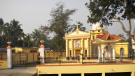
Another gentle step is an invitation to the Redemptorist Church of St Alphonsus, popularly called Novena Church after its weekly novena to Our Mother of Perpetual Help, on a Saturday. The aim is not to convert anyone on the spot, but to let a curious relative see Marian devotion from the inside: warm, sung, reverent and alive. Someone used to the quieter atmosphere of temple worship may find it unexpectedly moving, the same impulse of devotion in a different language.
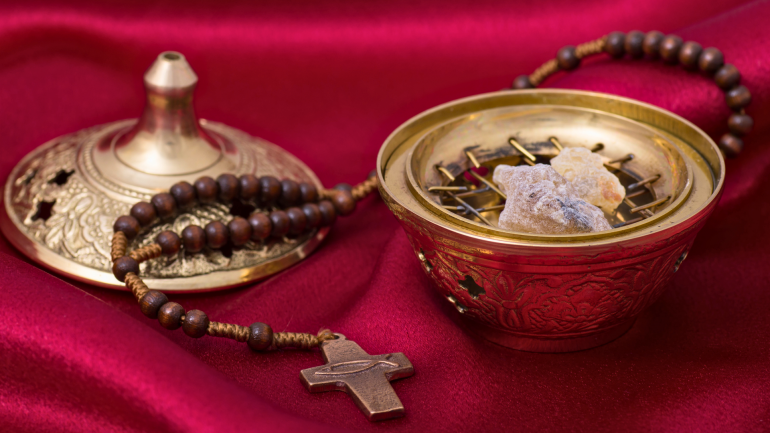
Prayer is the most powerful step of all, and it need not be announced. Catholics can quietly bring their relatives' names to Mary every day in the rosary. At Fatima in 1917, Mary asked for the rosary to be prayed daily and for prayer on behalf of sinners. The Church also remembers St Monica, who by tradition prayed for her son Augustine for 17 years before his conversion; he became one of the greatest theologians in Christian history.
Religious objects matter, too. In a Chinese Singaporean household, a Kuan Yin statue on the family altar expresses identity and a bond with ancestors as well as devotion. A rosary on the wrist or a small image of Mary on a desk makes a similar statement, and often draws a question, an opening to share, not to lecture.
In times of illness or bereavement, differences between traditions often give way to a common cry for mercy. A Buddhist grandmother may pray to Kuan Yin while her Catholic grandchild prays the rosary at the same bedside. In such moments, presence and peace are the witness that counts.
The underlying counsel is patience: be faithful, be loving, and trust Mary with the people you love, on God's timetable rather than your own.