Sri Lanka: National Basilica of Our Lady of Lanka to Mark Feast and Independence Day Celebrations

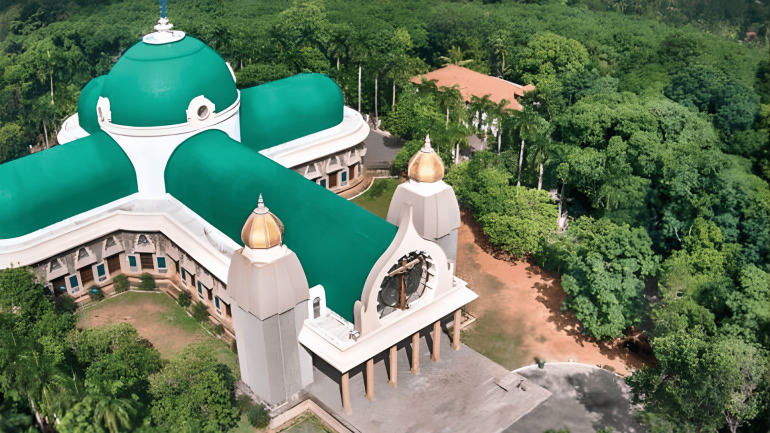
The National Basilica in Tewatte, Ragama, under the Archdiocese of Colombo, will celebrate the Annual Feast of Our Lady of Lanka on February 4, which also marks Sri Lanka’s National Independence Day.
History of the National Basilica
The origins of this sacred site date back to 1911, when Rev. Fr. A. Kieger and local devotees built a small chapel dedicated to Our Lady of Lourdes. During World War II, as Japanese forces launched air raids on Sri Lanka (then British Ceylon), the French-born Archbishop of Colombo, Jean-Marie Masson (OMI), made a solemn vow. He prayed for the protection of Sri Lanka from the ravages of war, promising to build a Basilica in honor of the Blessed Virgin Mary if the country was spared.
After the war, Archbishop Masson sought Papal permission to fulfill his vow. In 1946, Pope Pius XII granted approval for the construction. Archbishop Masson passed away that same year, and his successor, Most Rev. Thomas Cooray, who later became Sri Lanka’s first Cardinal, took up the project. He laid the foundation stone in 1951, marking a journey that reached its 75th milestone this year.
The Basilica was officially consecrated on February 6, 1974, and dedicated to Our Lady of Lanka.
Architectural and Spiritual Significance
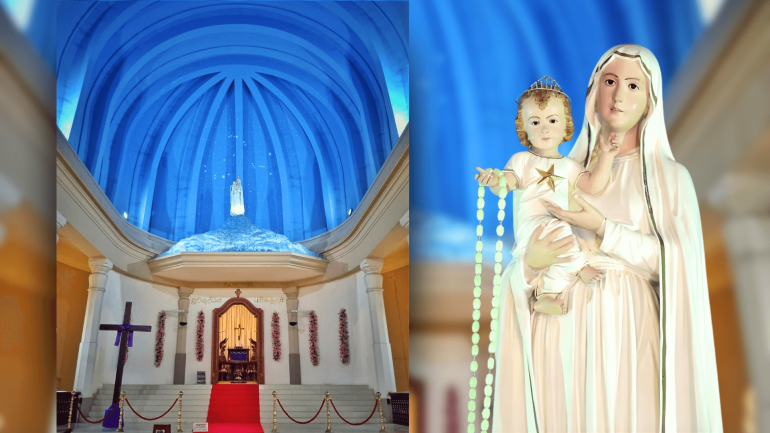
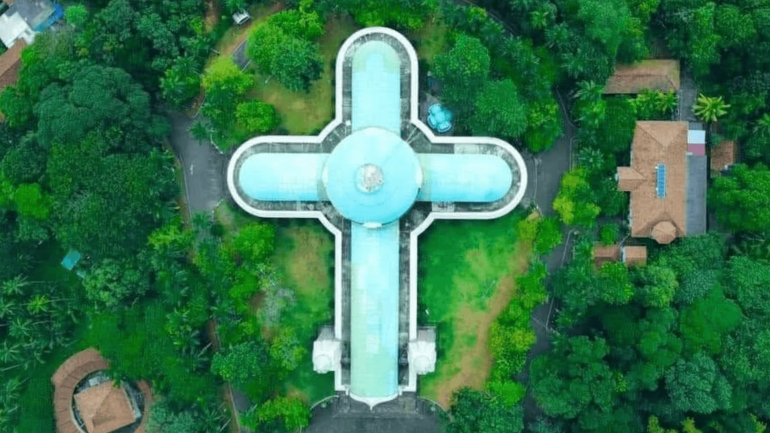
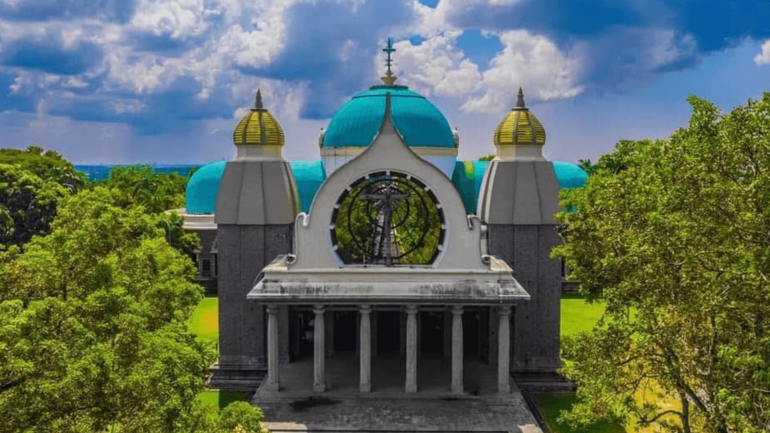
The Basilica is an architectural marvel, designed in the shape of a cross while incorporating unique local and Asian motifs. Set amidst lush greenery, its serene environment invites pilgrims to experience spiritual closeness with God.
Alongside the historic Madhu Shrine in the North, a beloved pilgrimage site for both Sinhala and Tamil Catholics, the National Basilica stands as a primary center of worship for all Sri Lankans.
Servant of God, Cardinal Cooray
The Basilica also serves as the final resting place of Thomas Cardinal Cooray, who brought Archbishop Masson’s vision to life. Cardinal Cooray was buried within the Basilica following his death on October 29, 1988. In 2010, the Catholic Church of Sri Lanka initiated his beatification process, officially naming him a Servant of God.
The Museum
Within the shrine’s grounds stands a museum, designed in traditional Kandyan architectural style. It preserves the centuries-long history of the Catholic Church in Sri Lanka and houses:
-
Unique Iconography: Timber statues of Jesus, Mary, and various Saints, crafted with artistic inspiration from diverse global cultures.
-
Liturgical Heritage: Antique vestments and liturgical garments showcasing intricate craftsmanship and vibrant history.
-
Artistic Tapestries: Elaborate tapestries illustrating the cultural and enduring influence of Catholicism on the island.
The museum not only honors Cardinal Cooray’s legacy but also highlights how Catholic faith has become integrated into Sri Lankan identity over the ages.
The Grotto and Chapel of Our Lady of Lourdes
In honor of the site’s humble beginnings, a new Grotto and Chapel of Our Lady of Lourdes was constructed and blessed on February 3, 2018, on the eve of the Feast of Our Lady of Lanka. This tribute to the original 1911 chapel connects the Basilica’s modern grandeur to its historical roots, ensuring that devotion to Our Lady of Lourdes remains central to its spiritual life.
The Unique Nature of the Feast
The feast of the National Basilica is not a traditional parish feast. Instead, a Novena—nine days of prayer—is conducted by various parishes within the local Deanery. Ten neighboring parishes participate in the eight-day Novena leading up to the Vespers and Festival Mass.
This year’s celebrations include:
-
Vespers on February 3, presided over by His Eminence Malcolm Cardinal Ranjith, Archbishop of Colombo.
-
Independence Day Festival Mass on February 4, celebrated by Auxiliary Bishop J.D. Anthony Jayakody.
The statue of Our Lady of Lanka is uniquely crafted to reflect Sri Lankan identity. In addition to February festivities, the shrine hosts a Blessing of the Sick on the last Sunday of August and frequently serves as the venue for the Archdiocesan Catholic Children’s Day.