


At 83, Filipino Missionary Continues Laudato Si’ Mission through Indigenous Empowerment

At 83, Sr. Lilia Jorda Frondoza, a Missionary Sister of the Immaculate Conception, continues to champion environmental protection and Indigenous peoples’ rights, drawing on 17 years of missionary service among the Mangyan communities of Occidental Mindoro, an island province southwest of Manila in the Philippines.
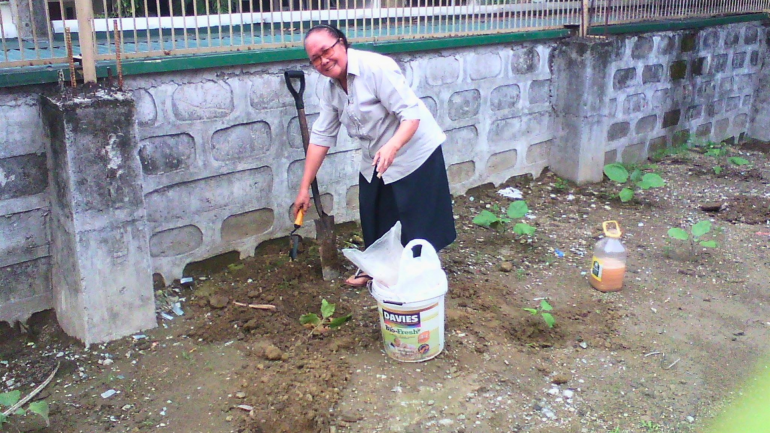
Although she can no longer make the difficult journeys into the mountains where she once served, Frondoza remains connected to the communities she accompanied. From her convent in Greenhills, Metro Manila, she continues her ecological advocacy through the Vatican’s Laudato Si’ Action Platform and a small organic garden.
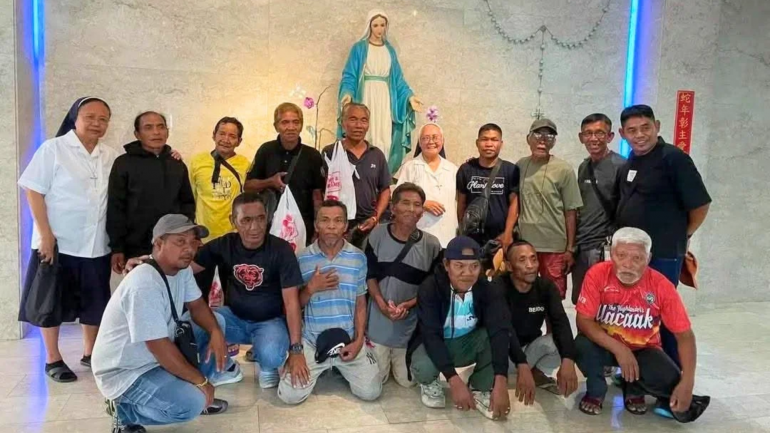
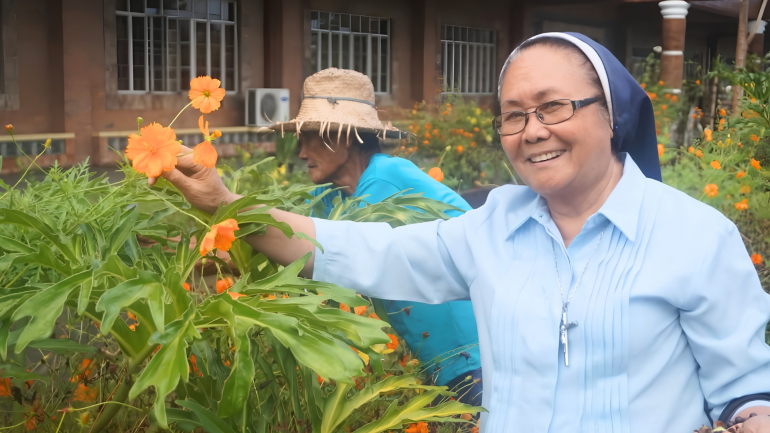
“I miss Mindoro. The Mangyans still visit me here in Greenhills, but I can no longer travel far. At 83, I am weaker now. I just stay at home, but I am busy with my mini organic garden here in the convent,” she told Radio Veritas Asia.
Her commitment reflects the message of Laudato Si’, Pope Francis’ encyclical on care for the environment, which links protection of creation with the dignity of the poor and vulnerable.
From the classroom to the mountains
Born in Koronadal City, South Cotabato, in the southern Philippines, Frondoza initially pursued a career in education. After earning a master’s degree in Educational Management from De La Salle University in Manila, she served as an elementary school principal at Immaculate Conception Academy.
Her religious vocation eventually led her beyond the classroom. In 1993, she began missionary work among the Mangyan Indigenous communities of Occidental Mindoro.
She initially hesitated at the prospect of climbing the mountains to reach the communities.
“On my first day in Mangyan land, I said I didn't want to climb the mountain because it was difficult for me. I found out it was easy,” she recalled.
The journey became 17 years of accompanying Indigenous communities facing forest destruction, exploitation and encroachment on their ancestral territories.
Rather than limiting her work to charitable assistance, Frondoza helped organize communities through sustainable farming, education, voter awareness and reforestation initiatives. She also encouraged Mangyans to understand and assert their rights to ancestral lands and self-determination.
Empowering communities to protect their land
Her advocacy brought risks. The destruction of Indigenous territories and opposition to illegal logging eventually culminated in the burning of her home in Barangay Siapo, Santa Cruz, Occidental Mindoro.
The incident did not end her commitment. Her work also helped catalyze the formation of Bantay Gubat, a Mangyan-led forest protection organization with 80 active forest rangers deputized by the Department of Environment and Natural Resources.
Frondoza worked with Indigenous elders, young people and community leaders, facilitating discussions on the Indigenous Peoples’ Rights Act. She helped communities understand the law, prepare resolutions and approach government agencies and the judicial system to defend their ancestral territories.
Mangyan elder Loben Garong recalled that the communities had little knowledge of their legal rights before her involvement.
“In the past we had no knowledge about laws on ancestral land. We came to know about them when Sr. Lilia taught us,” he said.
He also recalled that Mangyan women had previously been afraid to exercise their right to vote.
“But we know that we are Filipinos who have a common government who should take care of us just like the lowlanders,” Garong said.
For Frondoza, the work was not simply about helping communities access legal protection. It was about enabling them to recognize their dignity and take responsibility for defending their land and future.
Learning from the forest
Her years among the Mangyans also changed her own understanding of creation. While she helped communities learn about their rights, she learned from their close relationship with the natural world.
“The Mangyans' way of looking at nature and the environment has influenced me. Since they are very close to nature, I have learned to value the trees, plants, animals, and everything in the forest,” she said.
“The silence of the forest spoke to me of God, who is the creator and protector. I felt a close affinity with nature.”
After returning to Manila, Frondoza continued her service among urban poor communities in the Smokey Mountain area, a former dumpsite settlement in the Philippine capital. She also became involved in the Ecology Ministry of the Archdiocese of Manila, the Laudato Si’ Movement in the Philippines and the Vatican’s Laudato Si’ Action Platform.
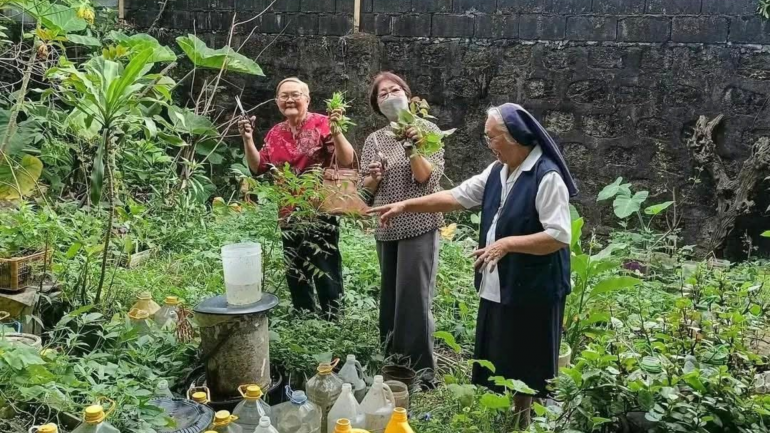
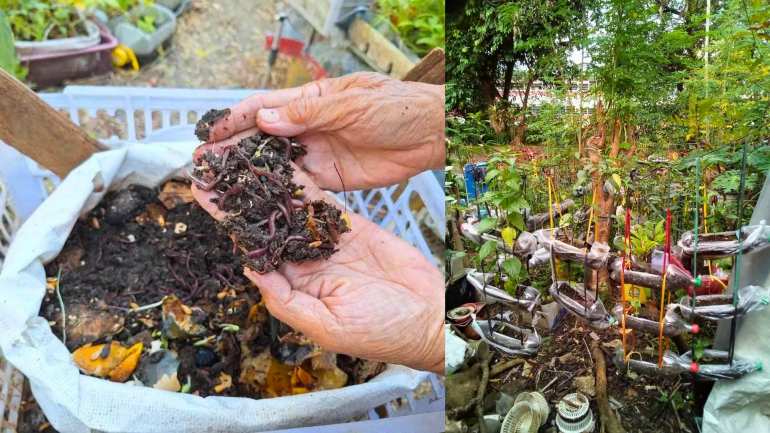
Today, her ecological commitment continues through awareness activities, seminars and everyday practices at the convent. She grows vegetables and medicinal herbs, promotes recycling and uses African night crawler earthworms to turn organic waste into fertilizer. Fermented plant juice made from kitchen waste also nourishes her garden.
For her, ecological conversion begins with practical choices: reducing waste, growing food organically and respecting the natural processes that sustain life.
A mission that continues
On her 83rd birthday, Frondoza expressed gratitude for 60 years of religious service, particularly among the poor and in the cause of environmental protection.
In a 2024 reflection published as part of the Vatican’s Participant Profile: A Life Toward Laudato Si’, she explained why she wanted to share her experience.
“I want to leave a legacy to the Church, especially to the Laudato Si’ Movement worldwide, not for my glorification but to proclaim God's Kingdom and the goodness of God to humanity,” she said.
Frondoza may no longer climb the mountains of Mindoro, but the work she helped begin continues through Mangyan forest rangers and community leaders defending their ancestral territories.
And in the small garden of her Manila convent, she continues to put ecological spirituality into practice, showing that missionary service can take new forms even when age limits physical mobility. For her, caring for creation remains inseparable from serving people and protecting the dignity of communities.