From Four Italian Missionaries to a Nationwide Media Ministry: Daughters of St. Paul Mark 75 Years in India

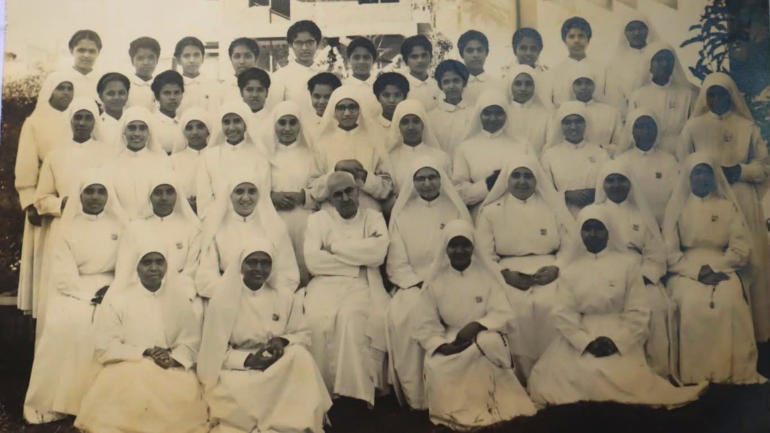
When four young Italian missionaries arrived in Bombay, now Mumbai, on August 18, 1951, they could hardly have imagined that their small community would one day grow into one of India's leading Catholic publishing and evangelization ministries.
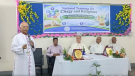
As the Daughters of St. Paul celebrate 75 years in India, they look back with gratitude on a journey marked by sacrifice, faith, and a steadfast commitment to proclaiming the Gospel through media and communication.
Their arrival in 1951 came after an earlier attempt to establish the congregation in India in 1937 had failed when permission was not granted to open a community in Delhi. Fourteen years later, the opportunity finally came.
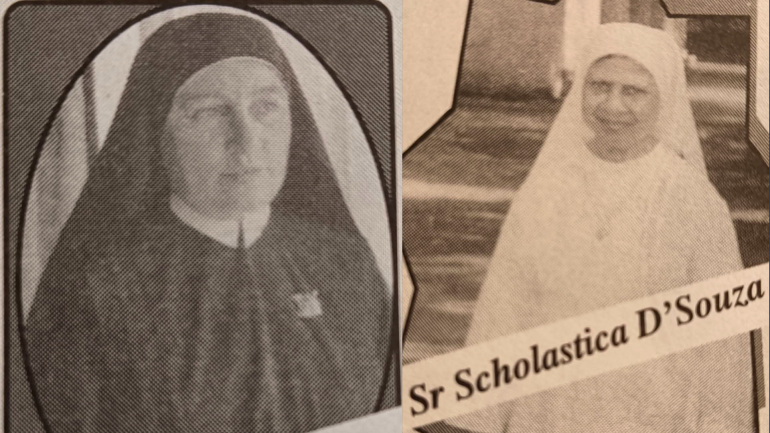
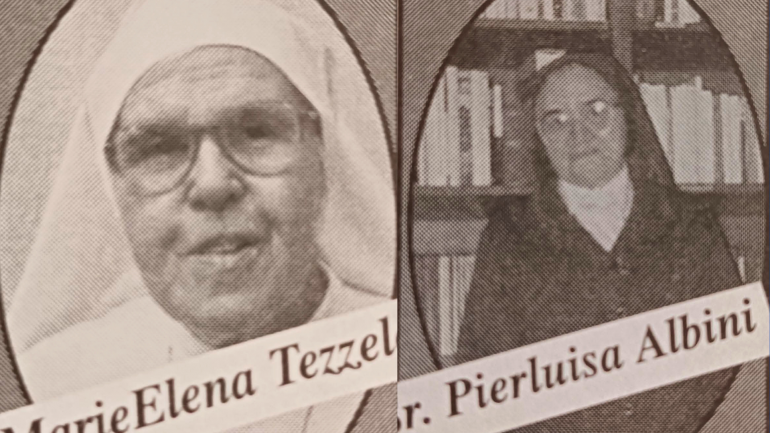
The pioneering sisters, Sr. Gesualda Aureli, Sr. Pierluisa Albini, Sr. Maria Elena Tezzele, and Sr. Paola Cordeiro, were warmly welcomed in Bombay. The Canossian Sisters in Mahim hosted them during their first weeks before they moved into a modest house in Vile Parle. Archbishop Valerian Cardinal Gracias welcomed the new congregation to the archdiocese, while priests of the Society of St. Paul, already serving in India, helped lay the foundation for their mission.
The young missionaries entered a country whose language, culture, climate, and customs were entirely unfamiliar. Communication was often difficult, but their smiles became a universal language as they began visiting homes and distributing Catholic books from door to door.
Unlike religious sisters known for schools and hospitals, the Daughters of St. Paul introduced a different form of apostolate—evangelization through publications and media. Many people were initially unfamiliar with their mission, while the sisters themselves struggled with financial hardship, illness, and language barriers.
Despite these challenges, the congregation steadily took root.
Within a year, the community welcomed its first Indian vocation, Philomena from Vile Parle. More vocations soon followed.
As the number of sisters increased, the congregation expanded its presence across India. In 1965, the India-Pakistan Province was established after separating from the Philippines Province, and in 1972 India became an independent province. Sr. Pierluisa Albini became its first provincial.
The congregation also benefited from the generosity of local Catholics.
Mrs. Modi, whose sister Philomina was the first Indian to join the Daughters of St Paul and who later was called Sr. Scholastica D'Souza, recalled how her family regularly supported the missionaries.
"Our home was close to the convent," she remembered. "My father always helped the sisters because they were new and did not know the language. Whenever we prepared something special, we shared it with them."
Additional assistance came from Sr. Paola Cordeiro, who, after returning to the United States, continued sending supplies to support both the sisters' household and their apostolate.
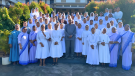
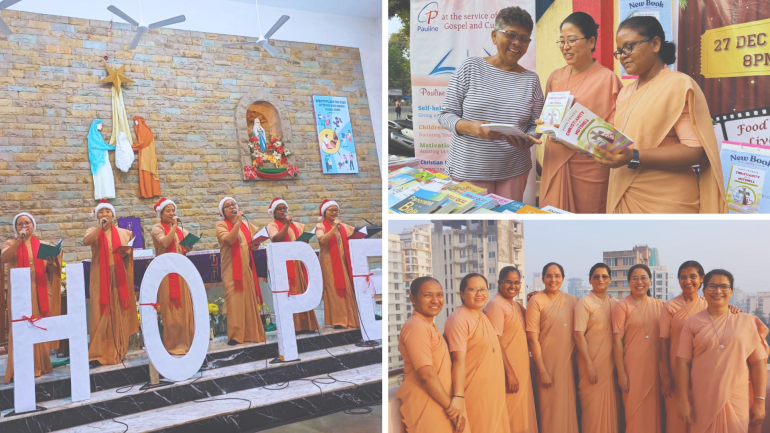
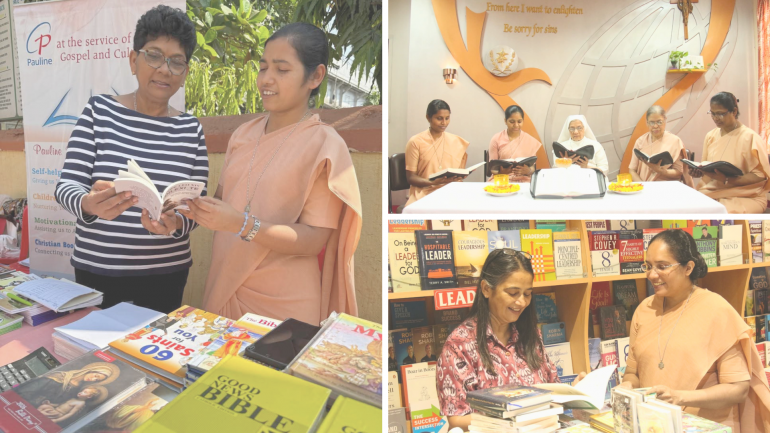
Today, the Daughters of St. Paul serve in 17 cities through 20 centers across India with 156 professed nuns. Inspired by the vision of their co-foundress, Blessed Thecla Merlo, to "give wings and feet to the Gospel," they continue to evangelize through books, digital media, Bible animation, media literacy programs, counseling, and pastoral formation.
Their Pauline publications have helped shape generations of Catholics and have established the congregation as one of India's leading Christian publishers.
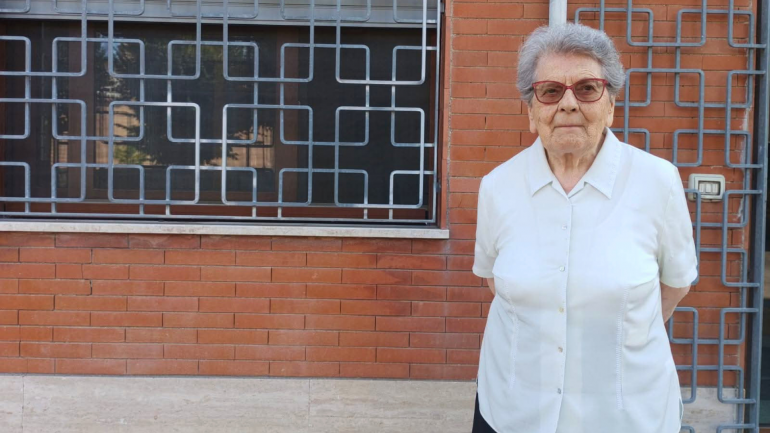
Among those who helped build this foundation was Sr. Christiana D. Agaso, one of the early missionaries, who later returned to Italy.
Recalling her first encounter with India, she said her desire to serve there began after watching television coverage of the Eucharistic Congress in Mumbai while she was in Rome.
“The images of India captured my attention and awakened in me a deep admiration and curiosity. As I learned more about this fascinating country, my curiosity gradually grew into love and a strong desire to become a missionary there.
As soon as I shared this desire with the Superior General, I began preparing for the mission. I immersed myself in the study of India's culture and customs, making full use of the rich resources in our congregation's library.
My joy was beyond words when I finally stepped onto Indian soil after arriving by ship. Maestra Cleofe, the provincial, immediately entrusted me with various responsibilities, even though my English was still quite limited. From the very beginning, I experienced how faith works miracles.
Throughout my years in India, I always tried to give my best in formation, study, and the apostolate. Whether I succeeded is for others to judge, but I was deeply convinced that India possessed immense values, talents, and human potential that deserved to flourish for the good of the congregation and the people it served.
After 15 years, obedience called me to another mission. Leaving India was one of the greatest sorrows of my religious life.
My years there enriched me profoundly. They broadened my vision and taught me that my own culture was complemented and enriched by the culture of India, just as it would later be by the cultures of other countries where I was called to serve.
India will always remain my first love.”
Throughout the Jubilee year, the Daughters of St. Paul carried out a range of spiritual, pastoral and apostolic activities, alongside charitable initiatives supporting people in need with education, medical care and home repairs.
One of the highlights was the distribution of 1,528 Bibles and 378 copies of the New Testament in different languages across various parts of India, reflecting the congregation’s continued commitment to making the Word of God accessible.
Sr. Matilda D’Souza, Provincial Superior of the Indian Province, said the Jubilee was “lived in a spirit of gratitude” for the blessings received by the individual sisters and the province as a whole.
“The celebration has rekindled our zeal for the mission and deepened our love for our charism,” Sr. Matilda said. “It has also given us a greater appreciation of the early years of the Province and the lives of our pioneering sisters.”
For the Daughters of St. Paul, the 75th anniversary is therefore not simply a celebration of the past. It is a renewed commitment to proclaiming the Gospel in contemporary society through the media, following the courageous example of the four missionaries who arrived in India 75 years ago and laid the foundation for the congregation’s mission in the country.