


“I Hope to Bring the Voices of Asia’s Synodal Journey to Rome,” Says FABC Associate Secretary, Appointed to ITC

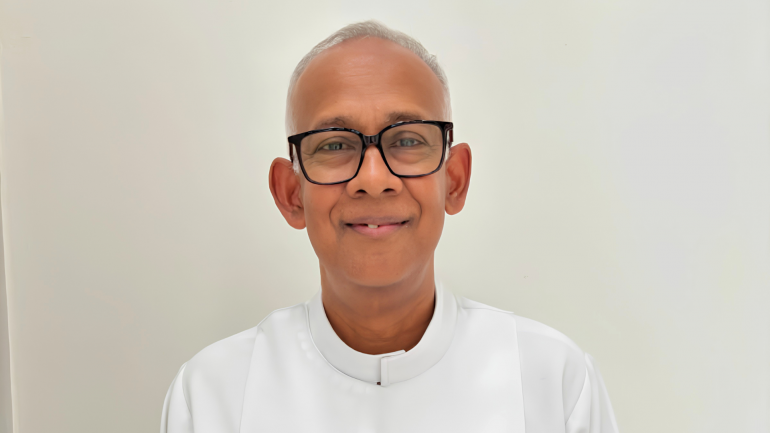
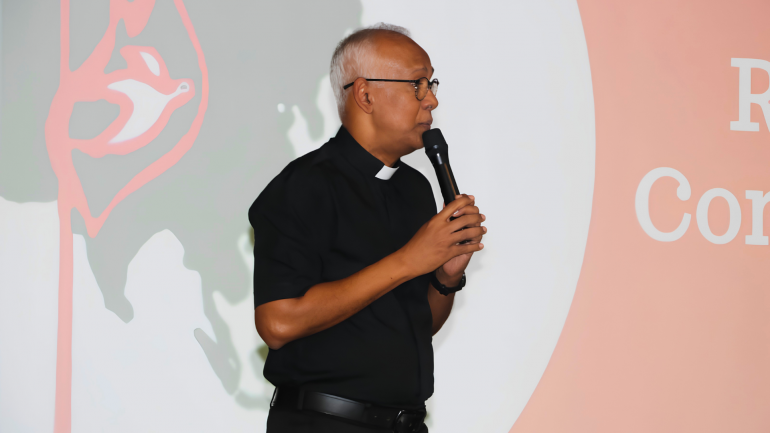
Fr. Clarence Devadass, associate secretary of the Federation of Asian Bishops’ Conferences (FABC), hopes to bring the voices and synodal experiences of Asian Churches to the universal Church after Pope Leo XIV appointed him to the International Theological Commission (ITC) for 2026–2031 on October 19.
Fr. Devadass is also chancellor of the Archdiocese of Kuala Lumpur, parish priest of St Anthony’s Church, director of the Catholic Research Centre, and executive secretary of the FABC Commission on Synodality. He is one of four Asians among 24 newly appointed commission members. The commission advises the Holy See on doctrinal questions.
In an exclusive interview with Radio Veritas Asia, Fr. Devadass spoke about the appointment and the opportunity to contribute Asian perspectives to the universal Church’s theological reflection.
"A Recognition of the FABC"
“While there is a genuine sense of personal joy in being able to contribute to the life of the universal Church and to the mission entrusted to the Holy Father, I also see this appointment as a great privilege and responsibility,” Fr. Devadass said.
He sees the appointment as recognition of both his work and the FABC’s contribution to the Church’s mission across Asia.
“It is an acknowledgement of the richness of the theological, pastoral and missionary work being carried out across the Churches of Asia,” he said.
He hopes the continent’s diverse Catholic experiences will contribute to the universal Church’s theological reflection and discernment.
"The Lived Experiences of Asian Churches"
Asia’s cultural and religious diversity offers distinctive perspectives on dialogue, inculturation and proclaiming the Gospel across different contexts, Fr. Devadass said.
“The Churches of Asia can bring to the ITC the richness of a Church that is deeply diverse, living in a context of many cultures, religions and traditions,” he said.
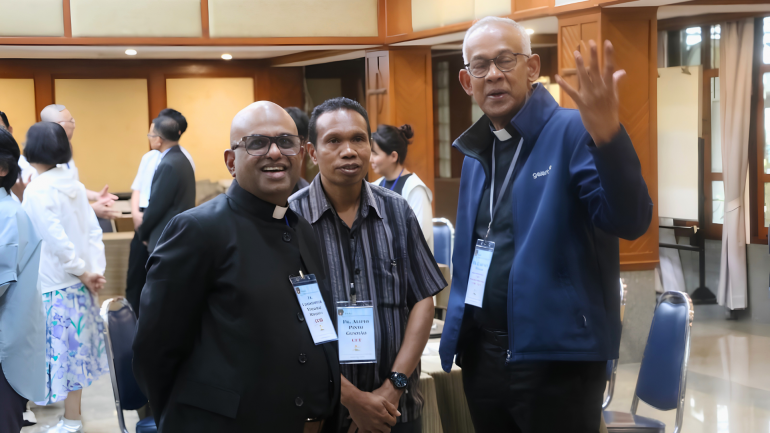
He emphasized listening to the lived experiences of the poor, migrants, young people and marginalized communities, whose perspectives can enrich theology and help the Church understand the Gospel within different cultural and pastoral realities.


"Listening to the Voices of God’s people"
Drawing on his work with the FABC Commission on Synodality, Fr. Devadass described synodality as more than a structure or consultation method.
“Synodality is not simply a structure or a method, but a way of being Church, one that calls us to listen, discern and walk together,” he said.
His experience in pastoral ministry, teaching and the FABC’s theological and synodal work has strengthened his conviction that theology must remain connected to the lives of the faithful.
“Theological reflection is enriched when it remains connected to the lived experience of the Church,” he said. Synodality, he added, can help theology respond more closely to the questions, hopes and realities of God’s people.
"Theology Faithful to Tradition and Attentive to the Signs of the Times"
Fr. Devadass said priorities for his five-year term should emerge through collective discernment, dialogue and prayer rather than individual decisions.
“I hope to contribute my experience, perspectives and the voices I have encountered in the Churches of Asia, while remaining open to what the Spirit is saying through the whole Church,” he said.
He hopes to support theology that remains faithful to Church Tradition while responding to contemporary challenges and serving the Church’s mission.
"Good Theology and Good Ministry Enrich each other"
For Fr. Devadass, theology must address questions people face in their families, parishes, workplaces and wider society, rather than remain an academic exercise.
“Good theology helps us to carry out good ministry because it gives pastoral practice a deeper foundation and direction,” he said.
Pastoral ministry, in turn, enriches theology through people’s experiences, questions and struggles. This reciprocal relationship enables theological reflection to guide the Church’s mission while remaining attentive to the realities of communities.
Theology, he said, should deepen faith, guide discernment, strengthen pastoral ministry and help people live the Gospel in everyday life.