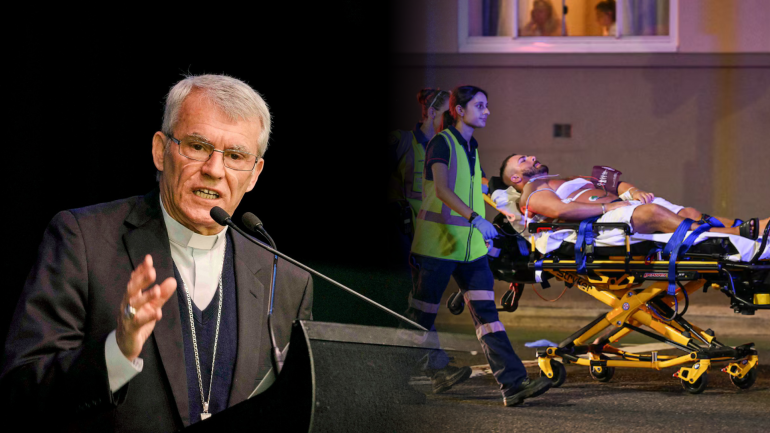
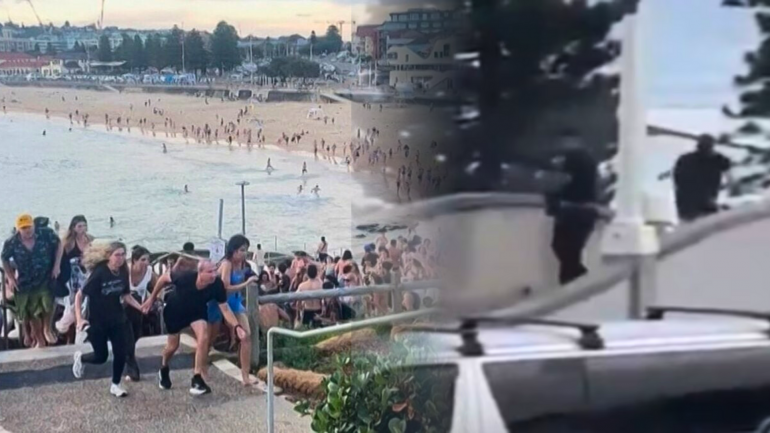
Australia is reeling after a deadly antisemitic terror attack struck Bondi Beach in Sydney on December 14, during a large Hanukkah celebration hosted by the Chabad of Bondi.
The mass shooting took place in the late afternoon at a playground in Archer Park, near the popular beachfront, triggering scenes of panic as families and worshippers fled for safety. According to authorities, 12 people were killed, including the gunman, and 29 others were injured and taken to hospital, among them two police officers.
New South Wales Premier Chris Minns and Prime Minister Anthony Albanese described the shooting as a targeted attack on the Jewish community, occurring on the first day of Hanukkah. National security agencies have formally designated the incident a terrorist act, underscoring its ideological motivation and national significance.
The attack has shocked the nation and prompted widespread condemnation across political, religious, and civic leaders, as Australia grapples with one of the deadliest acts of antisemitic violence in its history.
Catholic Bishops: “A Tragedy Beyond Measure”
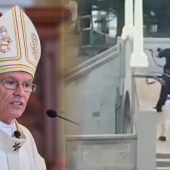
In response to the tragedy, the President of the Australian Catholic Bishops Conference, Archbishop Timothy Costelloe SDB, issued a strong statement condemning the violence and expressing solidarity with the Jewish community and all those affected.
“The violence and horror which descended upon Bondi on Sunday evening have shaken Australians to the core,” Archbishop Costelloe said. “The loss of innocent lives is a tragedy beyond measure. The families and loved ones of those who have died have had their world shattered.”
The Archbishop also acknowledged the many victims who survived with injuries, some of them severe, and directly addressed the antisemitic nature of the attack.
“The twisted motives behind those who perpetrated these terrible acts are now clearly linked with the scourge of antisemitism,” he said, calling it “a shocking and deeply distressing reality.” He warned that such hatred represents a “dark and destructive stain in our society” that threatens not only the Jewish community but all Australians.
In a country that prides itself on tolerance and hospitality, Archbishop Costelloe said, such blind prejudice calls into question Australia’s understanding of itself and its values.
Call to Reject Hatred and Violence
While acknowledging the deep anger and grief felt across the nation, the Archbishop urged Australians to resist responding with further hatred.
“As our nation confronts this tragedy, we must work hard to ensure that the justifiable anger we feel does not breed even more violence and hatred,” he said, adding that the nation’s horror must become a determination to turn away from all forms of violence and blind prejudice.
He also paid tribute to the courage of police, first responders, and ordinary citizens, noting that their bravery and acts of protection reflected the best of Australia’s national character.
“The remarkable courage of the police and other first responders, and individual acts of bravery as people sought to protect each other, are a timely reminder of what is best in our Australian character,” he said.
Prayers and Solidarity
Archbishop Costelloe expressed the sympathy and prayers of the Catholic community for the victims and their families, and for all those struggling with the physical, psychological, and spiritual consequences of the attack.
“We entrust those who have died to the love and mercy of God,” he said, “and pray for their family and friends and for all those who have suffered injuries of any kind.”
Concluding his statement, the Archbishop said the Catholic Bishops join all Australians who condemn such violence and appealed for a renewed commitment to peace.
“We plead with all Australians to reject any impulse towards hatred and violence and instead to recommit ourselves to being peacemakers in our families, amongst our friends, and in our wider society,” he said.
Radio Veritas Asia (RVA), a media platform of the Catholic Church, aims to share Christ. RVA started in 1969 as a continental Catholic radio station to serve Asian countries in their respective local language, thus earning the tag “the Voice of Asian Christianity.” Responding to the emerging context, RVA embraced media platforms to connect with the global Asian audience via its 21 language websites and various social media platforms.
Latest News