On March 8, the world celebrates International Women’s Day, a day that recognizes the achievements of women while also acknowledging the injustices they continue to endure. It is a day of gratitude, but also of reckoning.
A woman is indeed a paradox.
She is placed on a pedestal and worshipped as a goddess, yet she is often trampled upon and exploited. Across cultures and continents, one half of the human race continues to experience discrimination, violence, and marginalization. Progress has been made, but dignity is still frequently denied.
History, however, offers us luminous examples of women who transformed society by transforming education and opportunity.
Among them are St. Madeleine Sophie Barat (RSCJ), foundress of the Society of the Sacred Heart, and St. Rose Philippine Duchesne, one of its pioneering missionaries. Both were French religious women of the late 18th and early 19th centuries who believed that educating girls was key to reshaping society.
Sophie Barat grew up in post-Revolutionary France, a time of social upheaval. Unlike most girls of her era, she received an education equal to that of men, thanks to the rigorous intellectual training of her brother, Louis Barat, a former Jesuit. This formation gave her discipline, endurance, and remarkable emotional strength. She believed that systematic education for women was one of the most powerful means of influencing the course of society. Educated women, she insisted, would shape families, communities, and nations.
Philippine Duchesne embodied the same conviction but expressed it through missionary daring. At the age of 49, she boarded the ship Rebecca for a 70-day voyage to the United States. Her dream was to serve Native American communities, particularly the Potawatomi people. In the early 19th century, American frontier, which she called “virgin soil,” she founded schools for girls with the radical aim of offering them an education as rigorous as that given to boys.
Philippine’s courage had already been tested during the French Revolution. As a laywoman, she risked her life to care for prisoners, bringing food and medicine and preparing the dead for burial, even after members of her own family were killed amid political violence. Later, pirates halted her ship en route to America, yet nothing dampened her missionary zeal.
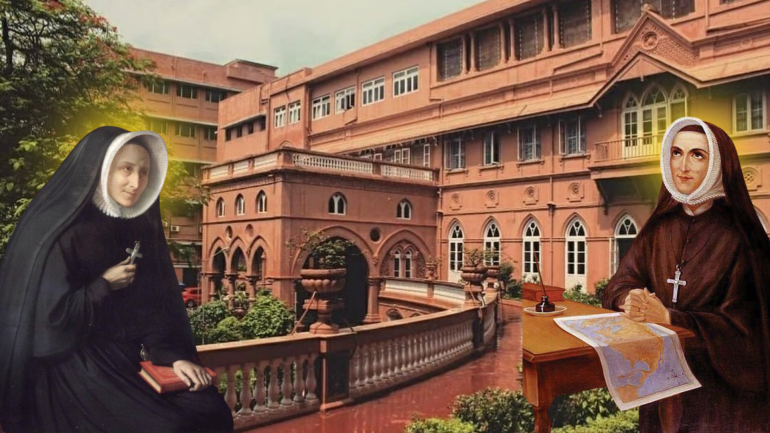
In many ways, she stretched the boundaries of what was permitted to women in her time. Her legacy lives on in Sacred Heart institutions across the globe, including Sophia College for Women, Mumbai, western India, where generations of young women continue to be formed intellectually and spiritually.
Yet, despite such inspiring histories, women today still face systemic inequality. Wage disparities persist. In many societies, certain professions remain male-dominated. Legal systems sometimes fail to protect women adequately. Social practices, dowry, domestic violence, and other forms of abuse continue to wound the dignity of women.
Even religious institutions have not been immune to minimizing women’s roles. Recent years, however, have seen important steps toward greater inclusion. Pope Francis opened new spaces for women’s participation in Vatican structures, and Pope Leo XIV continues to encourage reflection on the role of women in the Church and society. While much remains to be done, these developments signal movement.
There is also a painful truth we must confront: sometimes women themselves, shaped by patriarchal cultures, perpetuate systems that oppress other women. The so-called “self-fulfilling prophecy” plays out when distorted images of womanhood are internalized and reinforced within families and communities.
Against this backdrop, International Women’s Day is not merely symbolic. It is a call to action.
In salvation history, women have played decisive roles. Mary’s “fiat” brought Christ into the world. Mary Magdalene was the first witness of the Resurrection. At grassroots levels across the globe today, women continue to sustain families and communities, often as breadwinners, caregivers, economists, and peacemakers.
The question, then, is personal: In what concrete ways can we advance the cause of women?
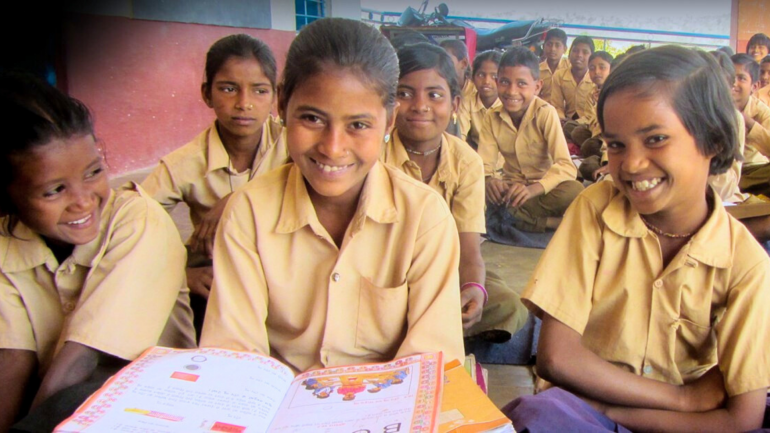
Like Sophie and Philippine, we must keep our hands on the pulse of society. Education remains transformative, but it must be holistic. It must prepare girls not only for employment, but for leadership, ethical discernment, and social responsibility.
This includes staying informed about scholarships, government programs, and grassroots movements that promote women’s rights. It calls for solidarity with the poor and marginalized, whose struggles are often hidden.
To work for women’s empowerment may mean engaging politicians, advocating policy reform, creating innovative educational spaces, or simply practicing daily acts of justice and equality. It may mean becoming “frontier women” in new arenas, digital platforms, marginalized communities, or neglected social spaces.
Ultimately, the goal is clear: enabling women to take their rightful place in society and in the world.
On this International Women’s Day, we celebrate women not as symbols, but as agents of transformation. The paradox of womanhood, venerated yet violated, must give way to a new reality: respected, empowered, and equal.
The work is unfinished. But history shows us that courageous, educated, faith-filled women can and do change the world.