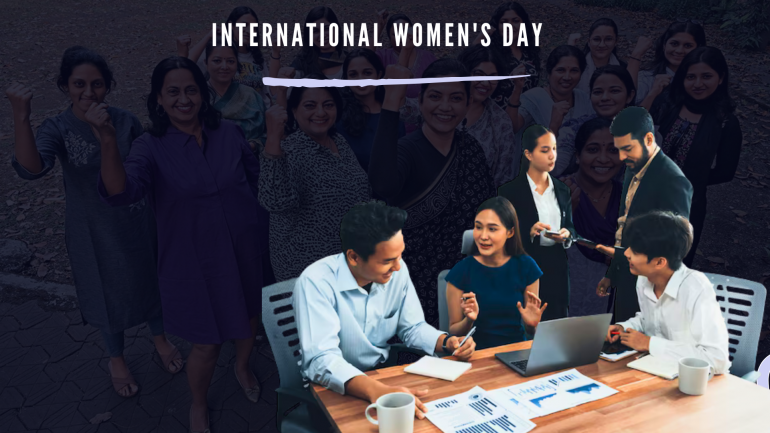
Women’s and girls’ rights remain incomplete without something fundamental: equal access. When societies open doors to education, economic resources, political participation, and meaningful roles in faith communities, they do more than empower half the population; they help build a fairer world for everyone. True equality is not about forcing identical paths but about removing barriers so that every woman and girl can shape the future she envisions.
Education remains one of the most powerful forces for change. A girl who goes to school learns to read, question, and imagine possibilities beyond her immediate surroundings. She gains skills that can lift not only her own life but also that of her family and community. Yet in many parts of the world, girls are still pulled out of school early for household work or marriage while their brothers continue their studies. This disparity is not only unjust; it also holds back entire societies. Research consistently shows that when girls complete secondary education, child marriage rates decline, maternal health improves, and local economies grow stronger. Equal access to quality education is not an act of charity; it is the foundation for human development and social progress.
Economic opportunity naturally follows education. Across the world, women carry a large share of unpaid labor, farming, cooking, and caring for children and elderly relatives. Yet in many places, they own less than 20 percent of the land and have limited access to formal employment. Financial institutions often hesitate to lend to women who lack collateral, leaving them trapped in cycles of economic vulnerability despite their abilities.
However, when women gain fair access to credit, markets, and professional training, change can be rapid and transformative. Women who control their income tend to invest more in their children’s nutrition, education, and well-being. These choices create positive ripple effects that strengthen entire communities. Ensuring equal access to economic resources is not about charity but about fairness, allowing talent, effort, and innovation to determine success rather than gender.
Political participation is another crucial dimension of equality. When women hold seats in government and local councils, policies begin to reflect real needs rather than assumptions. Issues such as healthcare access, safe public spaces, and family support receive greater attention. Yet women remain significantly underrepresented in parliaments and leadership positions across the world. Their voices are often missing from decisions that affect their lives directly.
Promoting equal access in politics means ensuring fair elections, protecting women candidates from harassment, and encouraging women to step forward as leaders. Countries with greater representation of women in leadership often adopt policies that prioritize social welfare and inclusive development. Women’s participation in governance is not symbolic; it strengthens democratic institutions and improves decision-making.
Faith communities also play an important role in shaping values and providing social support. In many religious settings, however, women are still confined to background roles while men dominate leadership and theological interpretation. This limitation not only restricts women’s spiritual growth but also diminishes the richness of the community itself. When women are allowed to teach, guide, and contribute more fully, faith communities become more compassionate and inclusive. Opening such opportunities affirms the dignity of all believers and strengthens the moral foundations of society.
Education, economic opportunity, political voice, and participation in faith communities are closely connected. A girl who receives an education today may become a thoughtful voter, a community leader, or a mentor to the next generation tomorrow. When barriers exist in one area, they weaken progress in others. That is why equal access must be intentional and comprehensive.
Challenges remain. Cultural traditions, poverty, and deep-rooted discrimination cannot be changed overnight. Yet progress is visible. More girls are attending school today than at any time in history. Laws in many countries increasingly protect women’s property rights. Women are rising to positions of leadership in politics, business, and religious life that were once closed to them.
Ultimately, the pursuit of equality benefits everyone. When half the population can contribute freely without artificial barriers, societies become more innovative, families grow stronger, and communities become more peaceful and just. Equal access is not a privilege granted to women and girls; it is a shared investment in a better future for all. By opening doors to education, resources, leadership, and participation, societies move beyond rhetoric toward real and lasting equality.