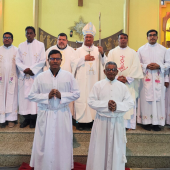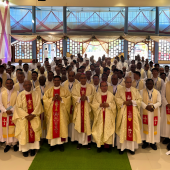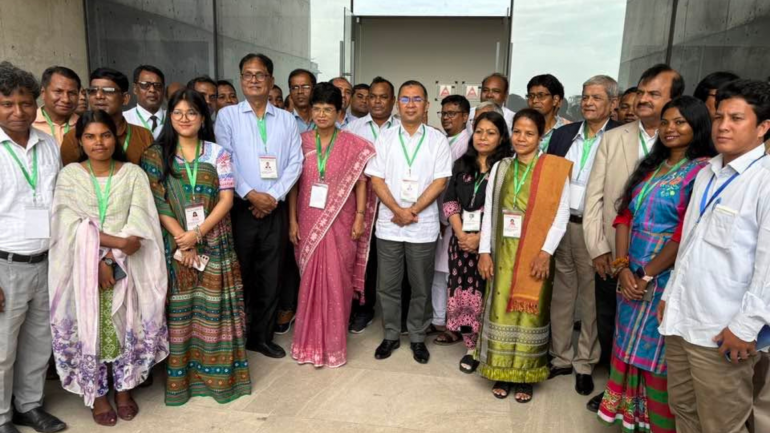
For Fr. William Murmu, a Catholic priest from the Diocese of Rajshahi and a member of the Santal community, one of the largest indigenous ethnic communities in Bangladesh, the meeting was more than a political consultation—it was a moment of recognition for communities that often feel unheard.
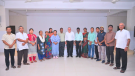
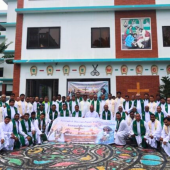
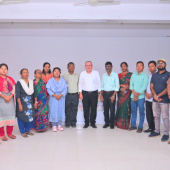
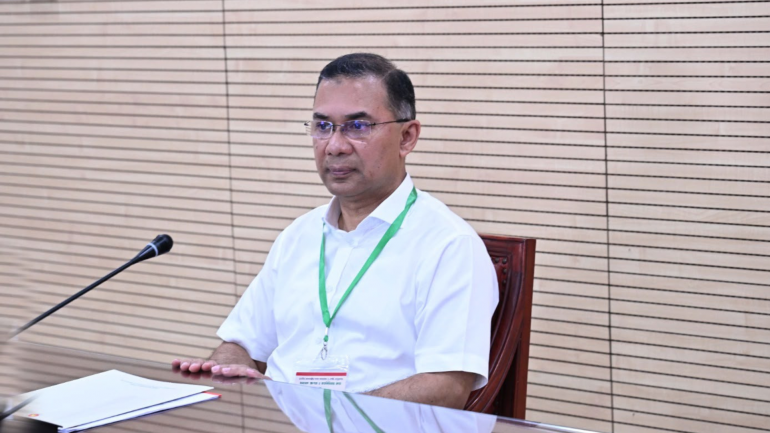
On July 16, Prime Minister Tarique Rahman met with about 60 leaders from Bangladesh's ethnic minority communities, most of them Christians, at the Public Administration Meeting Room of the Prime Minister's Office in Dhaka. Some Hindu representatives also attended the dialogue, which focused on longstanding concerns over land rights, displacement, identity, and social inclusion.
The meeting marked a significant moment for many indigenous leaders, who said it was the first time a national leader had engaged directly with representatives of Bangladesh's ethnic minority communities in such a forum.
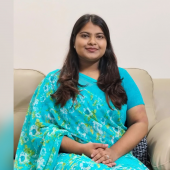
“One of our minority ethnic groups is now represented in the national parliament,” Fr. Murmu told RVA News, referring to the recent appointment of Anna Minj, an Oraon woman, to a reserved seat in Parliament. “We expressed our gratitude to the Prime Minister. At the same time, we shared the many problems our people continue to face and requested national-level initiatives to address them.”
According to Fr. Murmu, the Prime Minister listened attentively to the concerns raised and assured participants that the government would address their issues gradually.
For many Christian indigenous communities, access to land remains one of the most pressing challenges. Leaders highlighted fears of eviction, particularly in areas where forest protection and development projects have affected traditional settlements.
Theophil Nokrek, chairman of the Nokmandi Garo Community Center in Dhaka, described the meeting as a historic opportunity to bring these concerns directly to the country's leadership.
“We explained that Garo families in Madhupur often face eviction in the name of eco-park projects,” Nokrek said. “Many indigenous people have lived on the same land for generations but lack formal ownership documents. We requested government intervention to resolve these issues.”
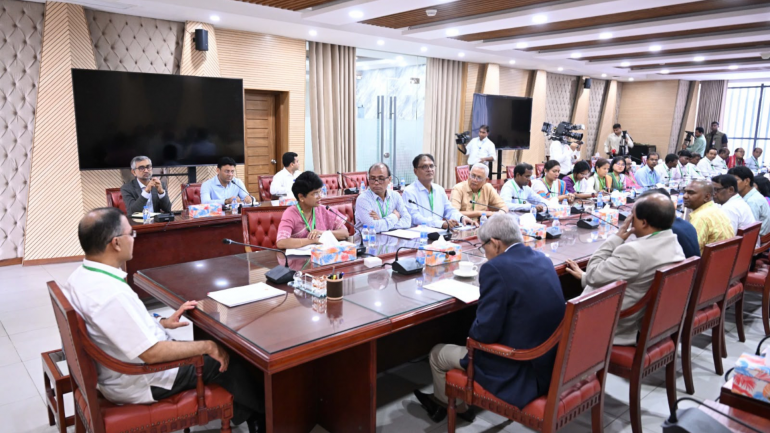
He added that a committee has reportedly been formed to examine and address the concerns raised during the meeting.
Participants submitted a range of proposals, including the establishment of a land commission for indigenous communities in the plains, constitutional recognition of indigenous peoples, stronger protection against displacement, access to credit facilities, the creation of a central cultural center, and the formation of a dedicated ministry for plain-land indigenous communities.
The gathering also highlighted the wider social reality facing many indigenous Christians in Bangladesh, where communities often struggle with land insecurity, economic marginalization, and concerns about preserving their cultural identity. Church leaders have frequently accompanied these communities in advocacy efforts, emphasizing human dignity, social justice, and the protection of vulnerable groups.
Addressing the delegation, Prime Minister Rahman called for unity and inclusion. “Everyone has to work together to build a happy, prosperous, discrimination-free Bangladesh,” he said. “Everyone has to contribute from their respective positions.”
The Prime Minister also linked the challenges facing minority communities to broader national economic difficulties, stating that years of financial mismanagement had weakened state institutions and reduced resources available to address public concerns.
“Our government is trying to solve the problems that can be addressed immediately and will proceed in stages,” he said.
For participants, the meeting did not resolve years of grievances overnight. Yet many left encouraged that their voices had been heard at the highest level of government—a first step, they hope, toward greater recognition and justice for Bangladesh's indigenous peoples.
Radio Veritas Asia (RVA), a media platform of the Catholic Church, aims to share Christ. RVA started in 1969 as a continental Catholic radio station to serve Asian countries in their respective local language, thus earning the tag “the Voice of Asian Christianity.” Responding to the emerging context, RVA embraced media platforms to connect with the global Asian audience via its 21 language websites and various social media platforms.
Latest News