CBCP Plenary Assembly: Indigenous values challenge inequality, bishop says at Inaugural Mass

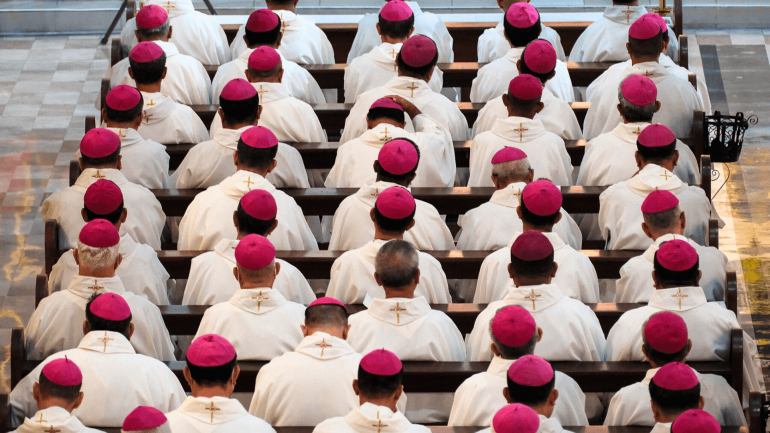
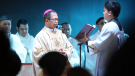
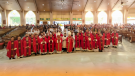
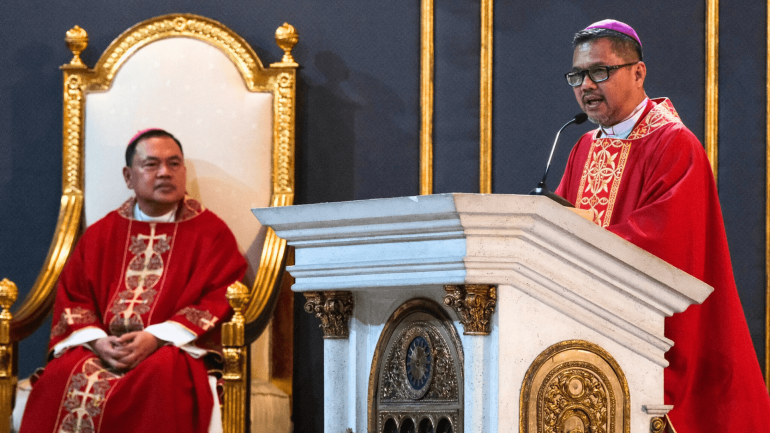
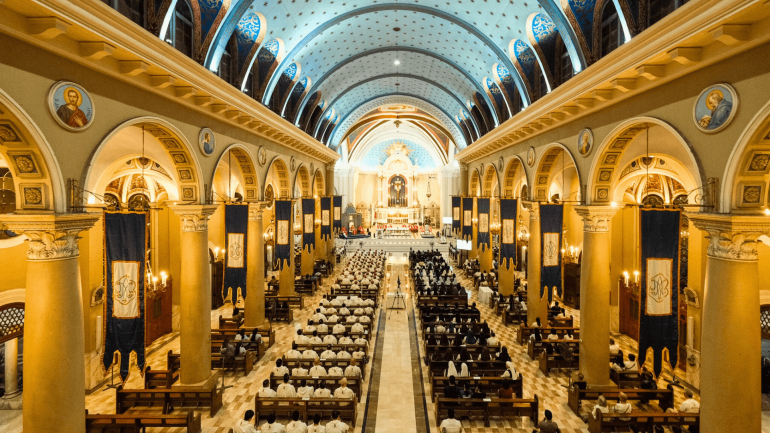
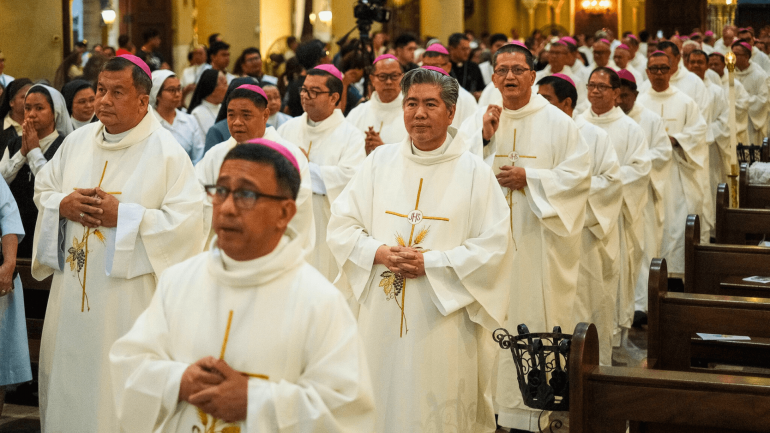
Indigenous communities are not merely recipients of charity but moral teachers whose values expose deep social inequalities, Bishop Dave Dean Capucao said during the opening Mass of the 131st Catholic Bishops’ Conference of the Philippines (CBCP) plenary assembly at the Immaculate Conception Cathedral in Cubao, Metro Manila.
Reflecting on the Gospel of Mark, where Jesus heals a man with a withered hand on the Sabbath, Capucao said the passage reveals a conflict between compassion and the preservation of the status quo. While religious leaders focused on protecting tradition, Jesus placed mercy at the center of faith.
“This question—‘Is it lawful to do good on the Sabbath?’—continues to confront us today,” Capucao said, urging Church leaders to examine practices and attitudes that may hinder love and compassion.
Capucao drew attention to the Dumagat or Agta people of Infanta, Quezon, whom he described as a community whose way of life offers a powerful critique of inequality and exclusion. Citing the late Bishop Julio Labayen, he recalled that the Dumagat were once described as “the privileged carriers of the Lord” and “God’s poor,” capable of evangelizing the Church itself through their lived values.
He shared a Dumagat proverb that says, “Meron akong isang gantang bigas na hindi sapat sa isa, subalit husto para sa lahat” (I have a measure of rice that is not enough for one, but enough for all), noting how it contrasts sharply with the individualistic culture prevalent in lowland society.
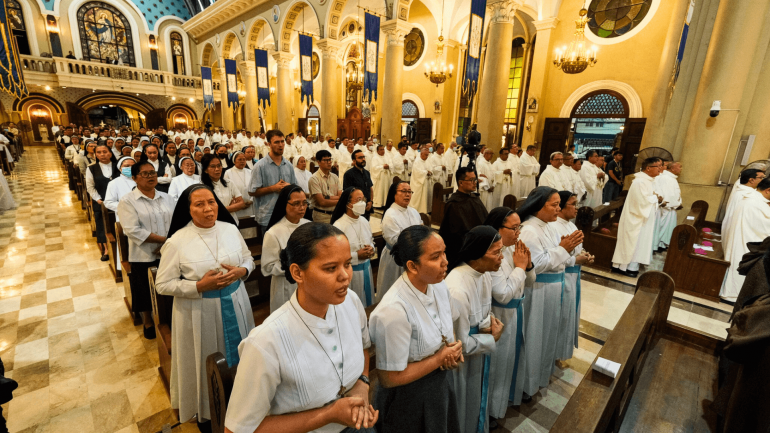
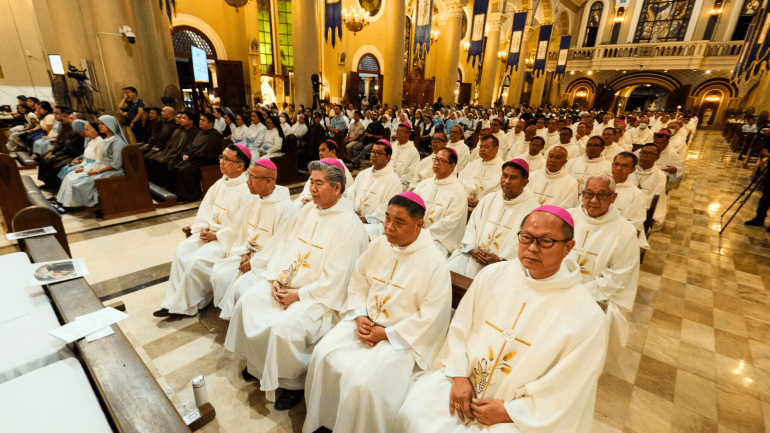
“For them, resources are not privileges to be hoarded, but blessings meant to be shared,” Capucao said. “True fulfillment comes when everyone is nourished.”
The bishop stressed that the Gospel calls believers to address not only immediate needs but also the structural causes of hunger, suffering, and exclusion. Leadership, he said, requires ensuring that all have their rightful share, especially those on the margins.
Expanding on the image of the withered hand, Capucao said it represents not only physical illness but also the effects of injustice, corruption, and inequality. “There are hands today that are withered because they are bound by social and economic injustice,” he said, adding that systemic theft and moral decay have also left hearts “withered.”
In a striking anecdote, Capucao recounted how Christian volunteers visiting a Dumagat village noticed that many homes had no doors or locks. When asked if they feared theft, a Dumagat elder replied that nothing went missing until Christians began arriving in the area.
“The question then is, who is the true Christian?” Capucao said, challenging believers to examine their integrity and witness.
Concluding his homily, Capucao called on bishops and Church leaders to allow the wisdom of Indigenous communities to inspire a more just and compassionate response to inequality, reminding them that love of Christ must translate into concrete action for the marginalized.