As Chinese-Filipino communities across the country celebrate Chinese New Year today, the occasion offers more than festive gatherings and symbolic traditions.
It also invites reflection on the enduring influence of Chinese heritage in shaping Philippine society — including within the Catholic Church.
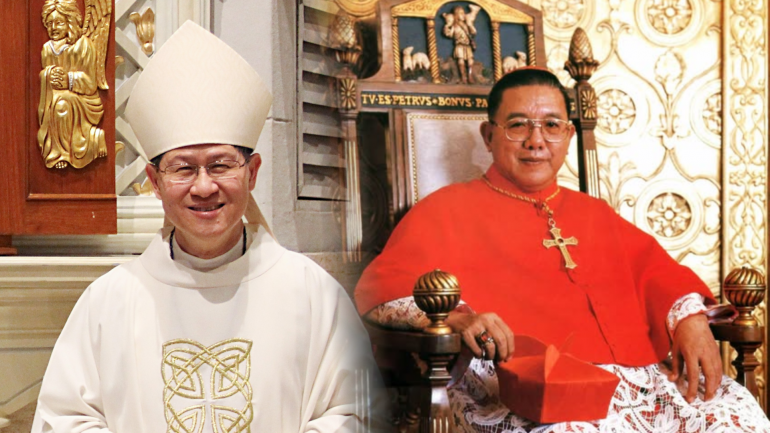
Two prominent Filipino cardinals — Luis Antonio Gokim Tagle and Jaime Lachica Sin — embody this deep historical and cultural connection.
Chinese New Year, marked by themes of family unity, renewal, and hope, resonates strongly in the Philippines, home to one of Southeast Asia’s oldest Chinese communities.
Over centuries, Chinese migrants integrated into local life, contributing to commerce, education, civic leadership — and even spiritual life at the highest levels.
Given centuries of migration, trade, and intermarriage, Chinese ancestry has become woven into countless Filipino families, often in ways both visible and unseen.
In many respects, the story of Chinese heritage is not a side narrative in Philippine history, but part of the nation’s living fabric.
Cardinal Tagle’s Chinese ancestry traces back to his maternal grandfather, a Chinese immigrant who settled in the Philippines in the early 20th century and married a Filipina.
His story reflects the quiet but profound integration of Chinese families into the nation’s social and religious life.
Ordained in 1982, Tagle later served as Bishop of Imus and Archbishop of Manila before being appointed to senior leadership in the Vatican.
Known for his pastoral warmth and theological depth, he has been a leading voice for dialogue, missionary renewal, and the Church’s engagement with the poor.
Similarly, Cardinal Sin, born in Nabas, Aklan, came from a family of Chinese descent with roots extending several generations in the country.
As Archbishop of Manila from 1974 to 2003, he became widely known for his moral leadership, particularly during the 1986 People Power Revolution, when his call for prayerful civilian action helped mobilize peaceful resistance and contributed to the restoration of democracy.
Today, Chinese-Filipino communities continue to play significant roles in business, philanthropy, education, and parish life across the country.
The influence is seen in the Filipino fondness for Chinese cuisine, and in the widespread enjoyment of Chinese New Year fireworks and dragon dances that draw crowds across cities and provinces alike.
In many dioceses, Chinese-Filipino lay leaders remain active in charitable foundations, Catholic schools, and parish ministries — quietly shaping both civic and ecclesial life.
The influence is also visible in the clergy. Across the Philippines, priests and bishops bearing Chinese surnames serve in parishes, seminaries, and diocesan leadership — further reflecting how Chinese heritage has long been woven into the life of the local Church.
As red lanterns are raised and families gather to welcome a new lunar year, the lives of these two cardinals serve as reminders that Filipino identity has long been shaped by migration, faith, and cultural exchange. Their journeys illustrate how heritage and vocation can intersect — not as separate identities, but as strands woven into one national story.