Despite representing diverse cultures, pastoral realities, and national contexts, delegates to the 12th Plenary Assembly of the Federation of Asian Bishops' Conferences (FABC) arrived at a shared vision for the future of the Church in Asia: a more synodal, missionary Church that serves as a bridge-builder in an increasingly divided world.
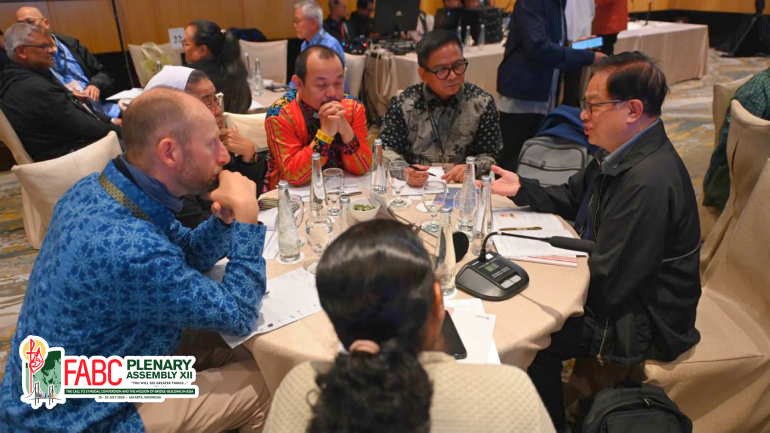
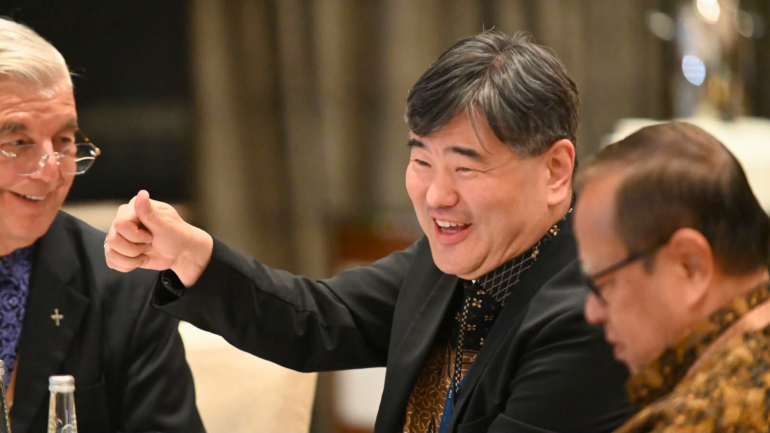
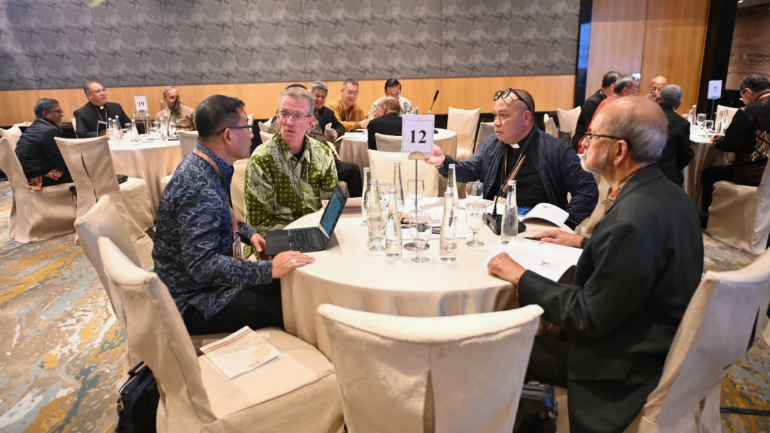
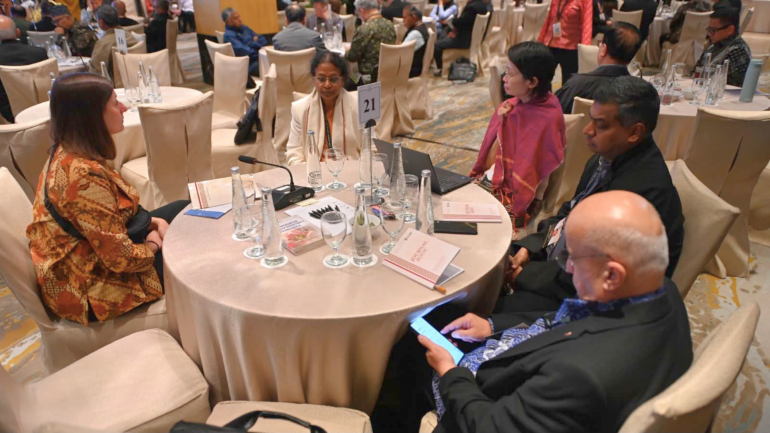
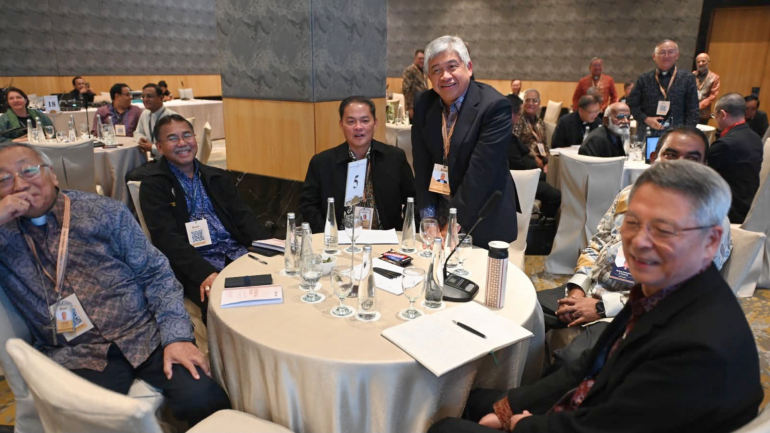
The common vision emerged on July 23 as representatives from more than 20 discussion tables presented the results of their Table Conversations, a key methodology of the assembly that enabled delegates to move from prayerful listening to collaborative discernment and concrete pastoral proposals.
The reporting session followed small-group discussions involving cardinals, bishops, priests, religious, and lay delegates. Participants reflected on two guiding questions: how the Church can respond to Asia's changing geopolitical, social, and cultural realities as a bridge-builder, and what forms of conversion are needed for local Churches to become more missionary and synodal.
Although each table reflected different local experiences, the reports revealed striking convergence on many of the continent's pressing concerns.
Delegates identified war, political polarization, religious extremism, aggressive nationalism, forced migration, environmental degradation, widening economic inequality, and the rapid growth of artificial intelligence and digital communication among the major challenges confronting the Church in Asia. Many also pointed to fractured families, declining trust in institutions, misinformation spread through social media, and the search for meaning among young people.
Yet the discussions were marked less by concern than by hope.
Rather than viewing these realities as obstacles, delegates repeatedly described them as opportunities for the Church to renew its missionary vocation.
Migration was widely viewed not only as a humanitarian challenge but also as a missionary opportunity. Delegates noted that migrants often carry their faith across borders, while local Churches are called to become communities of welcome, accompaniment, and communion. They also identified artificial intelligence and digital platforms as new frontiers for evangelization, particularly among young people, despite the challenges they present.
Education emerged as one of the Church's greatest strengths in Asia. Catholic schools, universities, health care institutions, charitable organizations, and social ministries were repeatedly recognized as places where the Church builds bridges by serving people of all faiths and backgrounds. In countries where Catholics are a minority, these ministries often provide the Church's most credible public witness.
Many groups stressed that the Church's mission as a bridge-builder must begin with renewal from within. Delegates called for greater participation by laypeople, women, young people, migrants, Indigenous communities, and other marginalized groups, describing co-responsibility as a hallmark of synodality. They also urged renewed priestly formation focused on accompaniment, dialogue, and discernment.
Dialogue remained a central theme throughout the reports. Participants described Asia's religious and cultural diversity as a gift that calls for humility, patient listening, interreligious dialogue, and collaboration for the common good. Several groups also encouraged the Church to strengthen its prophetic witness on peacebuilding, environmental stewardship, migration, family life, mental health, digital ethics, and the responsible use of artificial intelligence.
Underlying many of the reports was the conviction that synodality is fundamentally a spiritual journey rather than simply a pastoral method.
Delegates repeatedly described the Church's path as one of conversion, from maintenance to mission, from self-preservation to missionary outreach, from polarization to communion, and from individual leadership to shared responsibility among all the baptized.
The reporting session concluded not with debate but with silent prayer as delegates gathered for Evening Prayer, entrusting the insights of the Table Conversations to the guidance of the Holy Spirit.
The presentations marked another milestone in the FABC Plenary Assembly, demonstrating how the assembly's synodal methodology, beginning with Conversations in the Spirit and continuing through Table Conversations, is helping delegates discern common pastoral priorities while listening to the diverse experiences of local Churches across Asia.
Together, the reports offered a hopeful vision of a Church committed to walking together, deepening communion, and strengthening its mission as a bridge-builder across the continent.