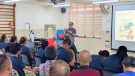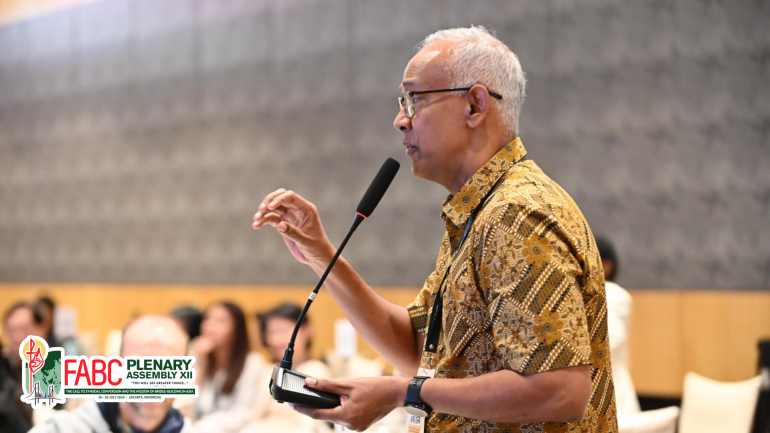
Delegates to the 12th Plenary Assembly of the Federation of Asian Bishops' Conferences (FABC) spent their final working session on July 25 reviewing two key documents that will shape the Assembly's legacy: the Message to the Peoples of Asia and the framework for a Synodality Vademecum.
While both documents emerged from the week-long Assembly, they serve distinct purposes. The Message to the Peoples of Asia is a pastoral statement that expresses the bishops' reflections and commitments following the Assembly, while the Vademecum is envisioned as a practical guide to help local Churches implement synodality across Asia.
Delegates discussed the texts and offered recommendations before they will be formal promulgated on the Assembly's final day, July 26.
Fr. Clarence Devadass, Associate Secretary General of the FABC and Executive Secretary of its Office of Synodality, presented the proposed framework for the Vademecum, emphasizing that it is not a completed document but the beginning of a longer process.
He described the Vademecum as a practical resource that will help local Churches translate the Assembly's vision into pastoral action. Rather than serving as another theological text, it is intended to become a working guide for bishops, clergy, religious, and lay faithful seeking to live synodality in their local contexts.
Fr. Devadass said the document will continue to be developed after the Jakarta Assembly through further consultation across the Federation, with the completed Vademecum expected to be finalized next year.
The Assembly then turned to the proposed Message to the Peoples of Asia, which is intended to communicate the Assembly's spiritual reflections and pastoral commitments to Catholics and people of goodwill across the continent.
Archbishop Gilbert Garcera, chairman of the drafting committee, presented the draft, explaining that it was intentionally written as a concise text of ten paragraphs.
He said the message seeks both to offer hope to the peoples of Asia and to express the commitments the bishops will carry back to their local Churches. The document is also expected to be shared widely through translations, videos, podcasts, infographics, and other digital platforms.
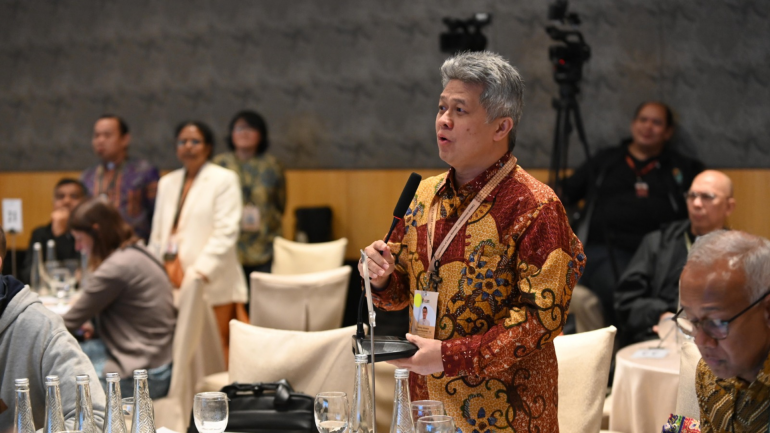
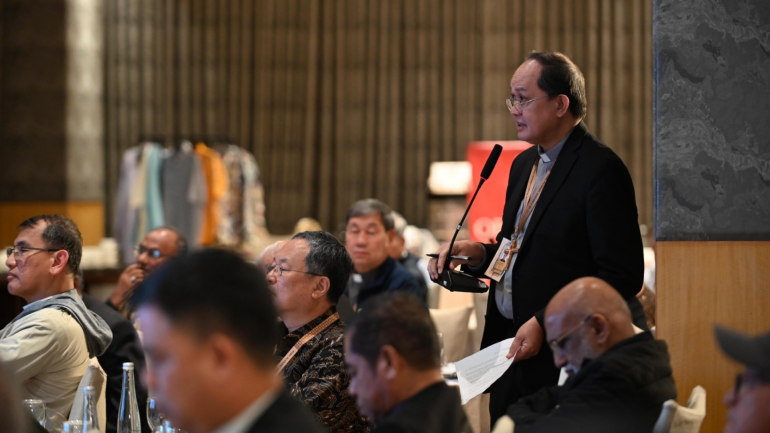
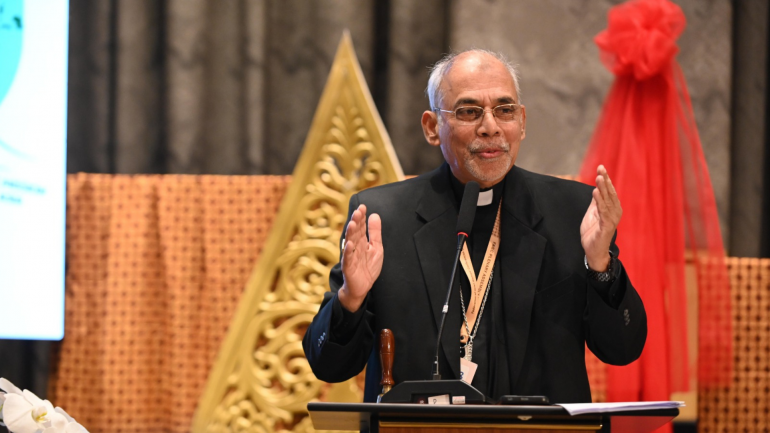
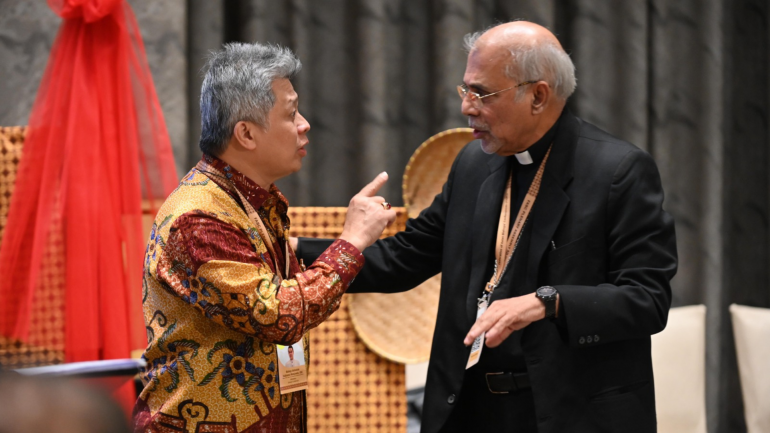
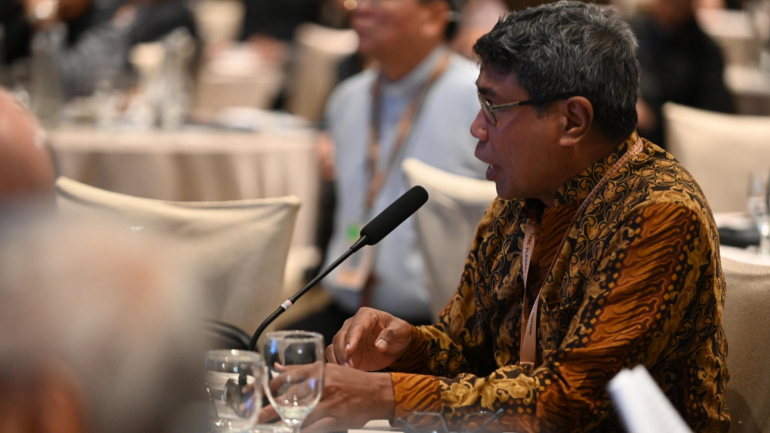
Delegates reviewed the draft paragraph by paragraph, proposing editorial changes, theological refinements, and stronger biblical references. The discussion also focused on ensuring that the language reflected the Assembly's central themes of synodality, communion, participation, and mission.
Several bishops recommended strengthening references to dialogue, peacebuilding, care for creation, young people, and the Church's commitment to accompany those living on the margins of society.
The draft message, titled "You Will See Greater Things" (John 1:50), presents the Church in Asia as a bridge-builder in societies facing polarization, conflict, inequality, environmental challenges, and rapid technological change.
Together, the two documents reflect both the immediate and long-term aspirations of the Assembly: the Message to the Peoples of Asia communicates its pastoral vision to the faithful, while the Synodality Vademecum aims to provide practical guidance for local Churches as they continue the synodal journey beyond Jakarta.
Radio Veritas Asia (RVA), a media platform of the Catholic Church, aims to share Christ. RVA started in 1969 as a continental Catholic radio station to serve Asian countries in their respective local language, thus earning the tag “the Voice of Asian Christianity.” Responding to the emerging context, RVA embraced media platforms to connect with the global Asian audience via its 21 language websites and various social media platforms.
Latest News