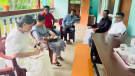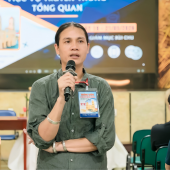



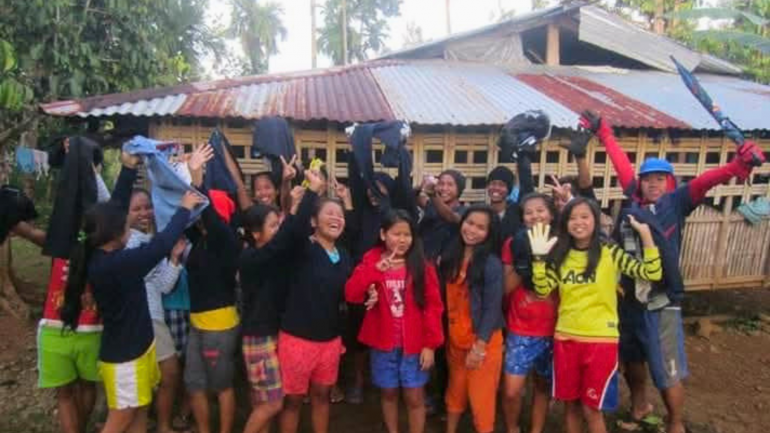
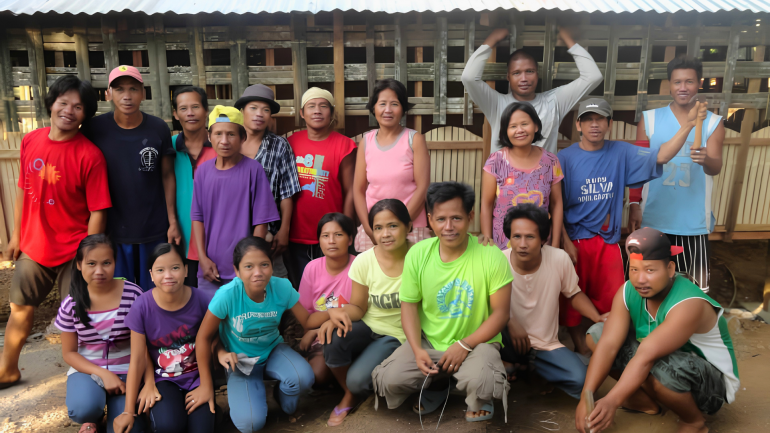
Filipino public school teacher Alvin Fetisanan Macalintal has helped establish secondary schools and free student shelters for Tadyawan Mangyan children in remote communities of Oriental Mindoro, addressing barriers that have kept Indigenous learners from completing their education.
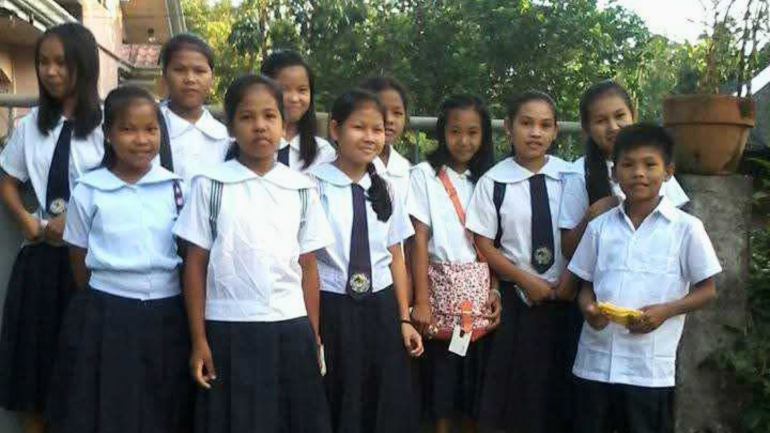
Some students previously had to travel about 26 kilometers to reach high school, crossing rivers, walking mountain trails or paying for motorcycle rides and accommodation away from home.
Macalintal responded by establishing shelters near schools and helping bring secondary education closer to Indigenous communities in the province, part of the Mimaropa region in the Philippines’ southwestern Luzon area.
His work began after he encountered the difficulties facing Tadyawan Mangyan learners in Barangay Bugtong na Tuog in Socorro and Barangay Concepcion in Victoria. Consultations with tribal elders and conversations with young people who had left school convinced him that distance and poverty were major obstacles to their education.
Macalintal began his permanent teaching career at Aurelio Arago Memorial National High School on December 15, 2000. He later served as guidance counselor and coordinated the school's dropout reduction program, giving him firsthand experience of the challenges students faced in staying in school.
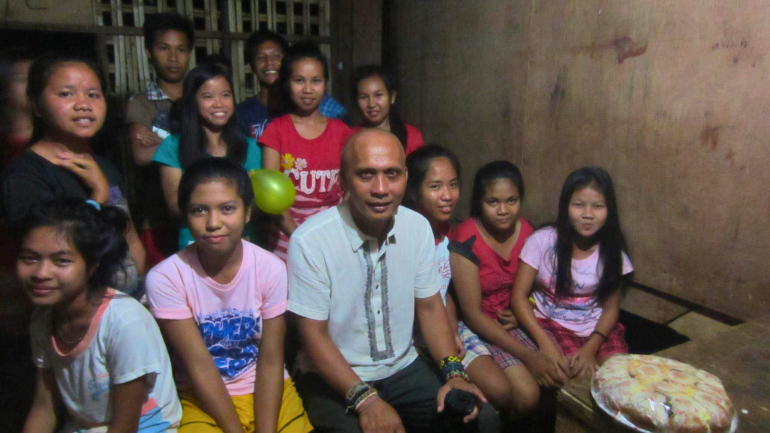
In 2008, he established the first Balay-Lakoy, a free shelter for Indigenous students, within his family's compound in Barangay Pakyas, Victoria. It initially accommodated six first-year high school students from Bugtong na Tuog.
Friends, businesses, parents and other benefactors helped sustain the initiative, providing students with accommodation close to school and reducing the financial burden on their families.
Macalintal subsequently worked to establish secondary education facilities closer to Mangyan communities.
In 2016, he helped establish Fortunato Perez High School in Barangay Concepcion, Victoria, initially as an annex of Aurelio Arago Memorial National High School. The Perez family donated a 10,000-square-meter site for the school.
As its first teacher-in-charge, Macalintal helped develop the school despite limited facilities and makeshift classrooms. He mobilized donations of computers, school supplies, uniforms, footwear, hygiene kits and solar panels. Three additional Balay-Lakoy shelters were also established near the school. The initiative has subsequently extended to other communities in Oriental Mindoro.
Community support beyond the classroom
Macalintal's work has extended beyond school facilities and student accommodation. He has helped coordinate assistance for families through Caritas Germany and the Apostolic Vicariate of Calapan, now the Diocese of Calapan, including farming materials, rice distributed through a food-for-work program and livestock assistance for selected households.
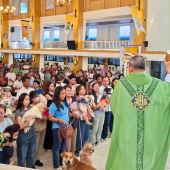
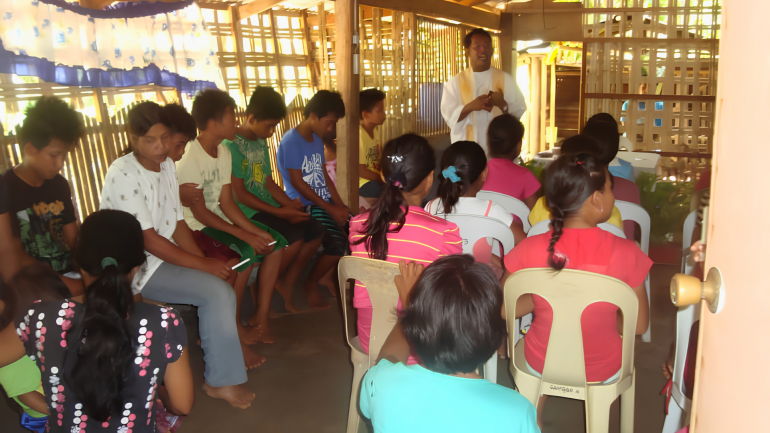
He also helped mobilize support for water facilities and a Catholic chapel near the school, where monthly Masses were celebrated.
Local governments, civic organizations, religious institutions, overseas Filipinos and international benefactors contributed to the initiatives. The Netherlands Embassy provided chairs and tables, while other donors supplied computers, school materials and educational facilities.
The collaboration reflects bayanihan, a Filipino tradition of mutual assistance for the common good.
Macalintal and his family received the Jollibee Family Values Award in 2014 and were recognized again in 2017. In September 2019, he received the Dangal ng Bayan award from then-President Rodrigo Duterte at Malacañang Palace for his public service.
Graduates open new paths
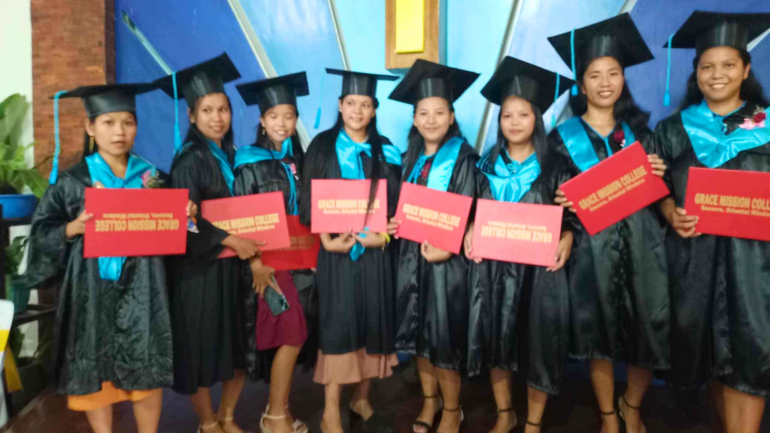
The results of the initiative are evident in the opportunities available to former students. Macalintal said about 20 learners had graduated from college, with some already employed.
Among them is Ronnie C. Marasigan of Granvida, who was recently hired as an administrative officer II at Gregorio Manalo Sr. Mangyan High School. Baby Rose Genteroy, a licensed professional teacher, serves at Granvida Elementary School through funding from the Socorro local government.
Macalintal said he was surprised by the attention his work had received.
“Actually, I'm rather quiet when it comes to talking about this,” he said.
His experience highlights the challenges Indigenous communities face in accessing education in remote areas of the Philippines, where geography and household poverty can limit opportunities even when public schooling is available.
By combining school development, student accommodation and community partnerships, Macalintal has helped make secondary education more accessible to Tadyawan Mangyan children.
His work demonstrates how local educators can help address educational inequality by responding to the practical circumstances of the families and communities they serve.
Radio Veritas Asia (RVA), a media platform of the Catholic Church, aims to share Christ. RVA started in 1969 as a continental Catholic radio station to serve Asian countries in their respective local language, thus earning the tag “the Voice of Asian Christianity.” Responding to the emerging context, RVA embraced media platforms to connect with the global Asian audience via its 21 language websites and various social media platforms.
Latest News