



India: Odisha Catholic Youth Urge Indian President to Intervene in Tribal Land Issues

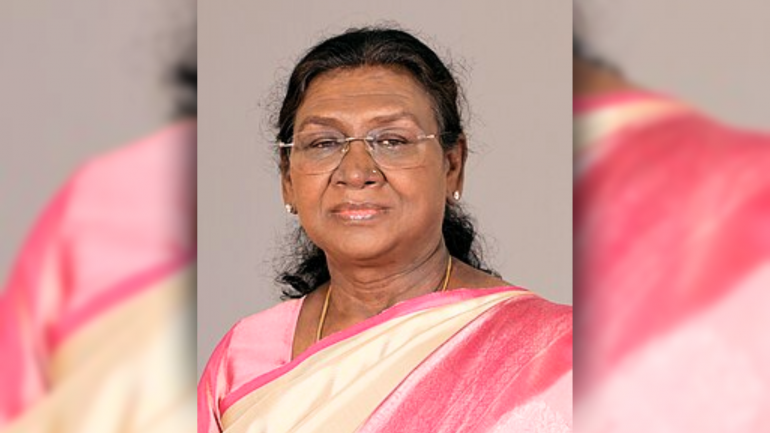
Catholic youth from eastern India’s Odisha state have appealed to President Droupadi Murmu to intervene in long-standing tribal land disputes involving major industrial projects that have affected indigenous communities.
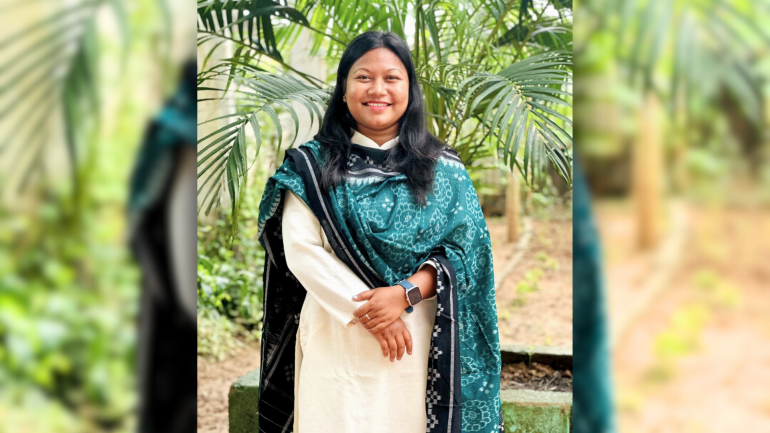
“We humbly request you to stand with and care for the tribal people of Sundargarh, Odisha,” said Shilpa Ekka, a representative of the Catholic youth from Rajgangpur, a major industrial town in Sundargarh district, about 400 km from Bhubaneswar, the state capital. “The occupation of tribal lands in Lanjiberna by Dalmia Cement (Bharat) Limited (DCBL) and similar corporate activities in other areas have caused immense hardship to our people.”
Ekka said the youth were seeking the President’s intervention to ensure that the rights, dignity, and ancestral lands of tribal communities are protected.
In a memorandum submitted to the President, a collective of youth activists from several tribal-dominated districts highlighted concerns over land alienation, displacement, and what they described as the weak implementation of constitutional safeguards meant to protect tribal rights. Despite legal protections such as the Fifth Schedule of the Constitution and the Forest Rights Act (FRA), they said many tribal families continue to lose access to their lands due to mining, industrial expansion, and infrastructure projects.
“Our Constitution guarantees special protection for tribal communities, yet these safeguards are often diluted or ignored on the ground,” the memorandum stated, urging presidential intervention to ensure justice and lawful restoration of land to displaced families.
The youth group called for a comprehensive review of land acquisitions in Scheduled Areas, strict enforcement of the Forest Rights Act, and accountability for officials who approve projects without mandatory Gram Sabha consent. They also demanded transparent rehabilitation policies and effective recognition of community forest rights, which they said remain largely unimplemented.
Odisha is home to a large tribal population, with indigenous communities constituting nearly one-fourth of the state’s population. Tribal land disputes have long been a source of social unrest, particularly around mining leases, industrial corridors, and large development projects. Activists stress that development must not come at the cost of constitutional rights and cultural survival.
Legal experts note that the President of India has special responsibilities under the Fifth Schedule to oversee the administration of Scheduled Areas and safeguard tribal interests. The youth have urged the President to exercise these powers by seeking detailed reports from the state government and recommending corrective measures.
The appeal has drawn attention from civil society groups, with activists welcoming the growing role of youth in rights-based advocacy. As of now, there has been no official response from the President’s office or the Odisha government. The youth group, however, says it will continue peaceful advocacy and awareness campaigns until concrete action is taken.
Let us know how you feel!
Comments

Dr. Pradeep Kumar Nayak
Principal ( Retired)


- Reply
Permalink