India: Priests and Religious Lauded for Preserving Konkani in Roman Script at TSKK Awards

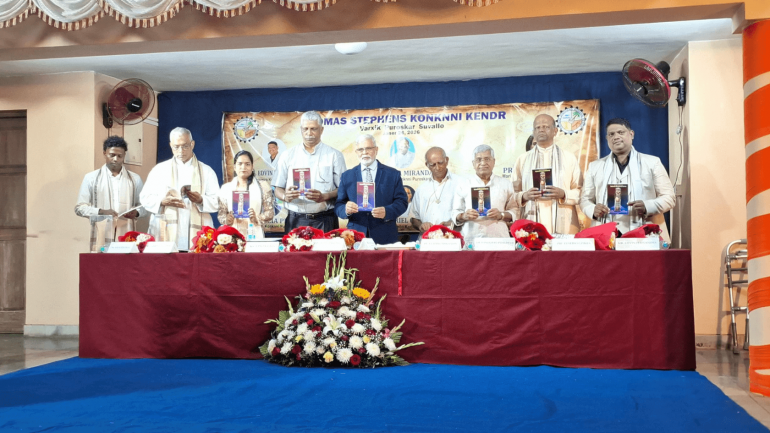
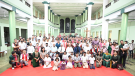
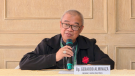
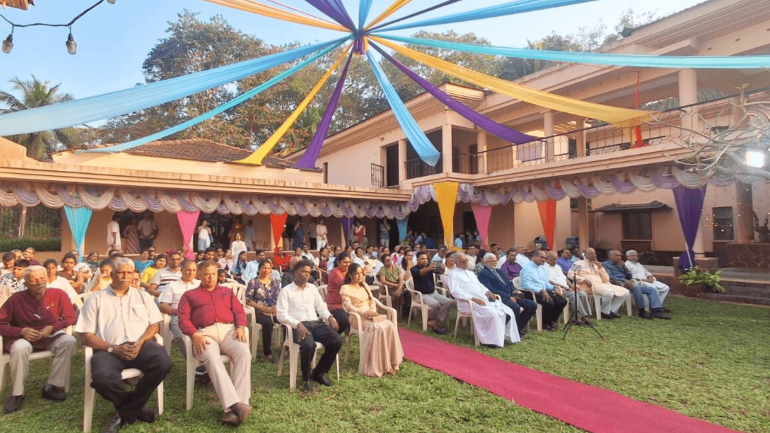
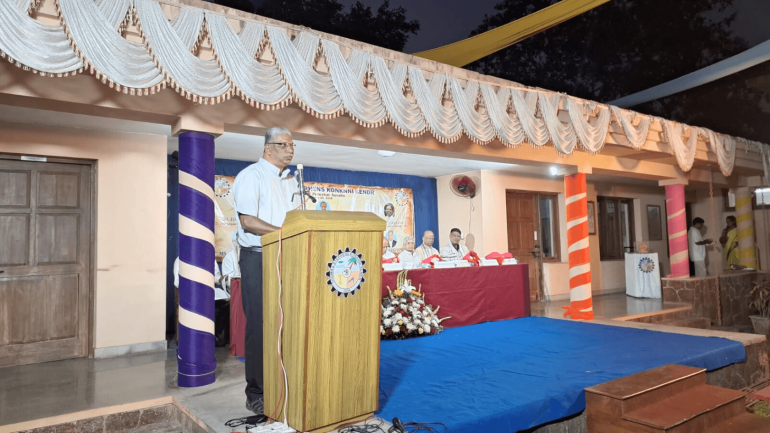
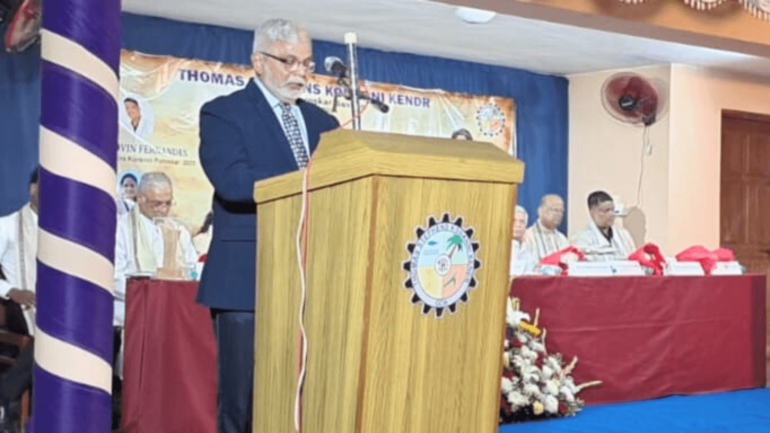
The pivotal role played by priests and religious in preserving and promoting Konkani in the Roman script was strongly lauded by Fausto V. Da Costa, Editor of the influential Konkani monthly GULAB, at the 27th Annual Award Presentation Ceremony of the Jesuit Institute – Thomas Stephens Konkani Kendra, held at Porvorim, Goa, south west India, on January 26.
Addressing the gathering as the Chief Guest, Da Costa stressed that Konkani is inseparable from the identity of its people. “We need to be proud of our language because Konkani is our identity,” he said, while pointing out that the field of Konkani continues to face several challenges, particularly the acute shortage of committed human resources.
Calling upon senior writers and scholars, he urged them to mentor and accompany the younger generation. “Do not give fish to them to eat; teach them to catch it,” he remarked, emphasising that Konkani can thrive only when young writers are guided and supported. He further reminded the awardees that recognition brings responsibility. “Awards are a receipt for your interest and contribution to Konkani; they appeal to you to work tirelessly for its cause,” he said.
Reflecting on the award recipients, Da Costa noted that four of the six awardees were priests and religious, including two members of the Society of Pilar and two diocesan priests. Highlighting the Church’s decisive historical role, he stated, “If Konkani in the Roman script continues in Goa, the first credit goes to the Church.”
He observed that the contribution of priests and religious to Konkani has grown remarkably over the years, attributing this growth to the discipline and formation imparted in seminaries. “Disciplined life is essential for a writer,” he said. Drawing a comparison, he noted that during the time of the late Fr Freddy J. Da Costa as editor of GULAB, there were relatively few priests and religious writing in Konkani, whereas today nearly 80 per cent of the contributors to GULAB are priests and religious, or those formerly in priestly formation.
Da Costa also expressed concern over the lack of systematic documentation of the history of Konkani literature in the Roman script, cautioning that in the absence of proper records, history risks being written selectively. Tracing the Church’s contribution across generations, he recalled the seminal role played by figures such as Fr Thomas Stephens S J, Msgr Sebastião Dalgado, Cardinal Valerian Gracias, Fr Antonio Pereira S J, Fr Moreno de Souza S J, Fr Freddy J. Da Costa, and contemporary priest-writers till Fr Myron Barreto and Fr Luis Gomes
Referring to Cardinal Valerian Gracias as a model of commitment, he said that although born outside Goa, the Cardinal deeply valued his mother tongue, introduced Konkani in the Archdiocese of Bombay, published a Konkani weekly, encouraged tiatr performances in parish halls, and actively supported Konkani cultural expression through pastoral initiatives.
Appealing for serious academic engagement, Da Costa requested that the history of Konkani in the Roman script—especially the contribution of priests through literature, parish initiatives, and tiatr—be properly documented as an integral part of Konkani’s cultural and ecclesial heritage.
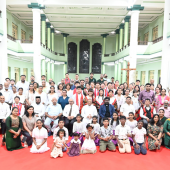
The ceremony was held at the Thomas Stephens Konkani Kendra, Porvorim, with Fr Pedro Rodrigues SJ, Provincial Superior of the Goa Province of the Society of Jesus, as the Guest of Honour.
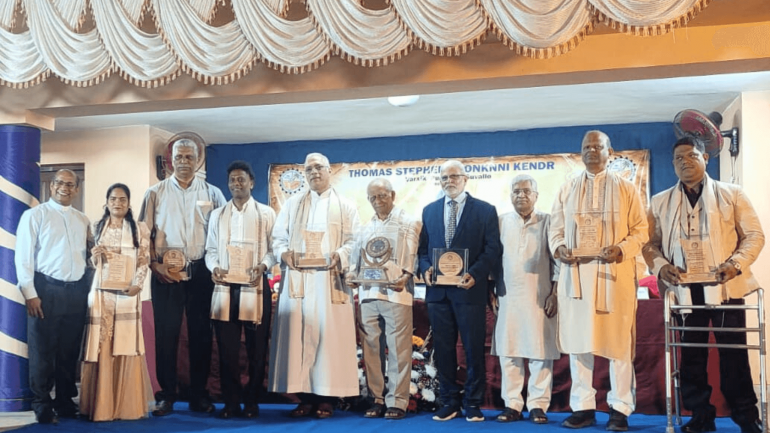
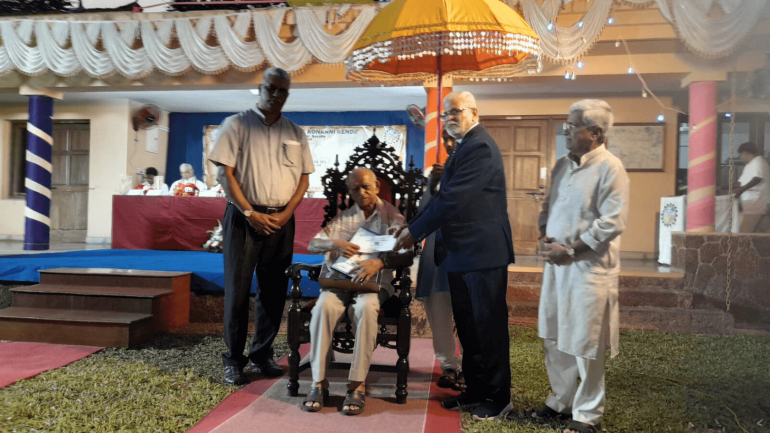
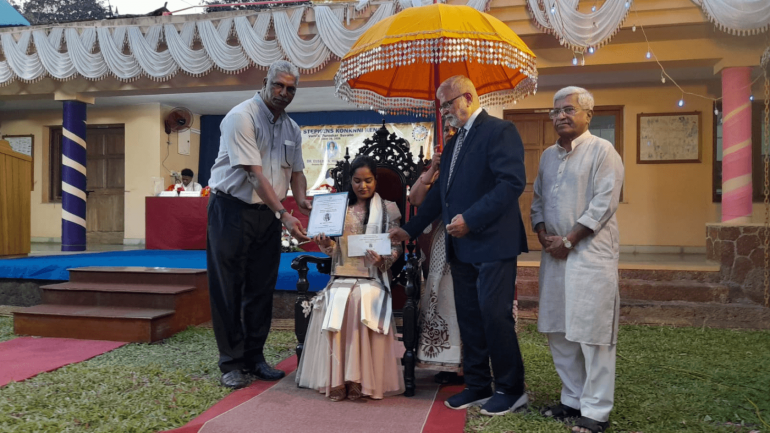
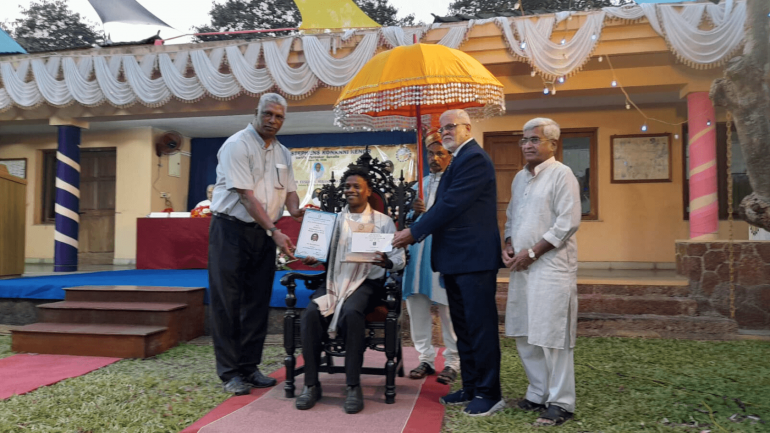
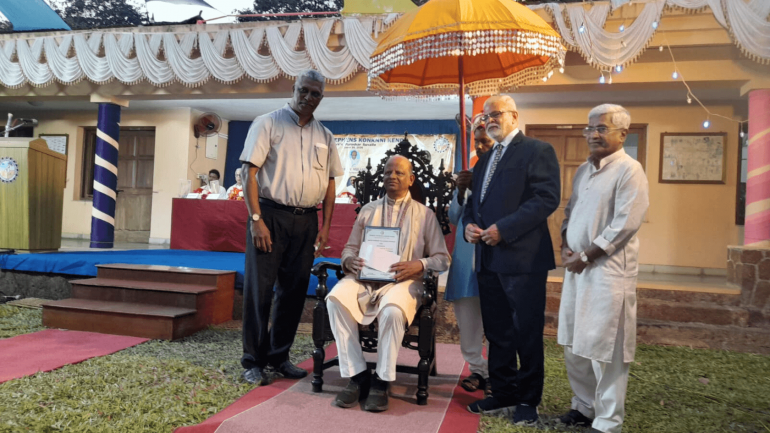
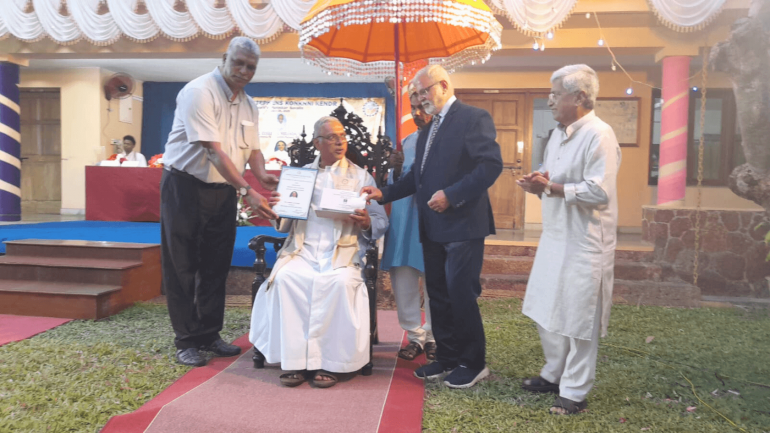
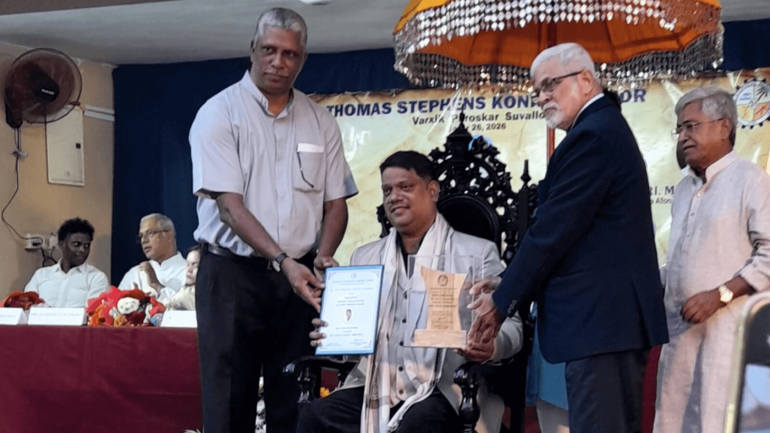
The awards presented included:
-
Antonio Pereira Konkani Puroskar 2026: Br. Eusebio Miranda SFX, Editor of Vauraddeancho Ixtt
-
Dr. Jack Sequeira Konkani Puroskar: Edwin Fernandes
-
Maria Afonso Konkani Puroskar: Fr. Milagres Dias
-
Valerio Konkani Puroskar: Tancia Pires
-
Fr. Casmiro D’Melo Konkani Puroskar: Fr. Gabriel Coutinho
-
Martyr Floriano Vaz Konkani Puroskar: Fr. Eusebio Gomes SFX
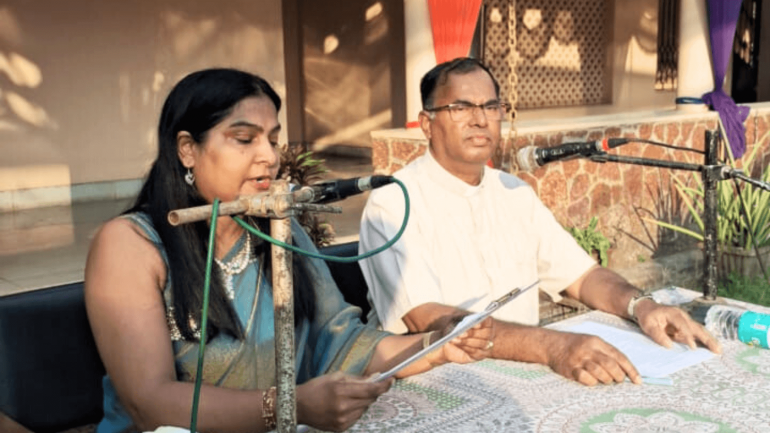
Dr. Pandurang Phaldesai, Director of the center, welcomed the attendees. The event was anchored by Fr. Ave Maria Afonso and Dr. Janet Fernandes. Fr. Pedro Rodrigues SJ also addressed the gathering.
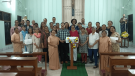
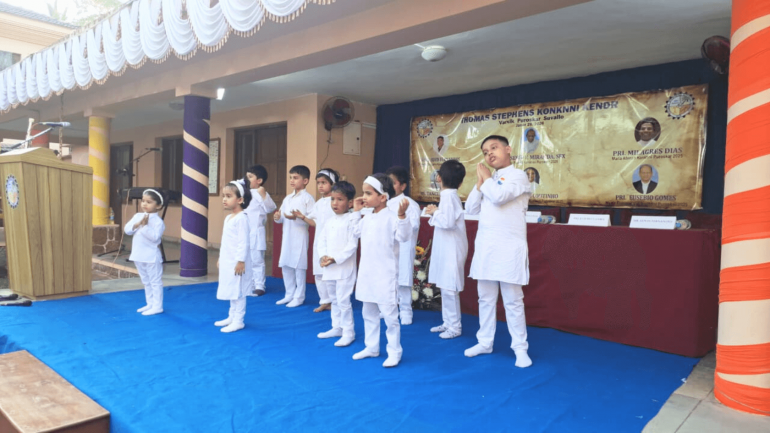
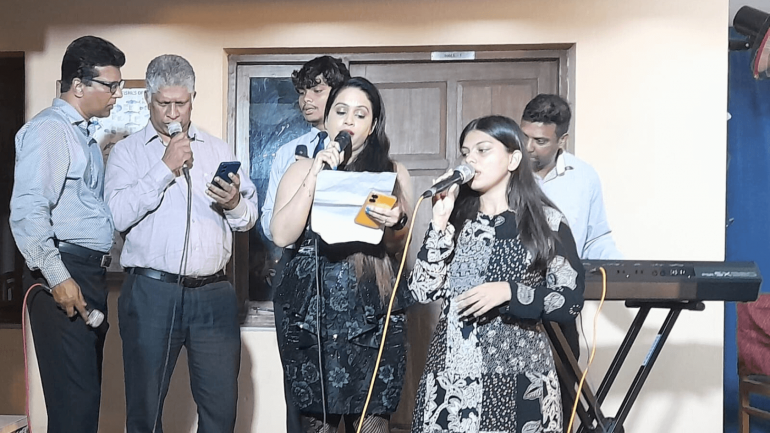
Fr. Gabriel Coutinho expressed gratitude on behalf of the awardees, while Fr. Kelwin Monteiro SJ, Secretary of the TSKK, extended thanks to all participants. Konkani songs were performed by Agnelo Fernandes and his team.
Radio Veritas Asia (RVA), a media platform of the Catholic Church, aims to share Christ. RVA started in 1969 as a continental Catholic radio station to serve Asian countries in their respective local language, thus earning the tag “the Voice of Asian Christianity.” Responding to the emerging context, RVA embraced media platforms to connect with the global Asian audience via its 21 language websites and various social media platforms.
Latest News