

Panelists Identify Mentality as Major Obstacle, Urge National Synodal Teams to Accompany Dioceses Patiently

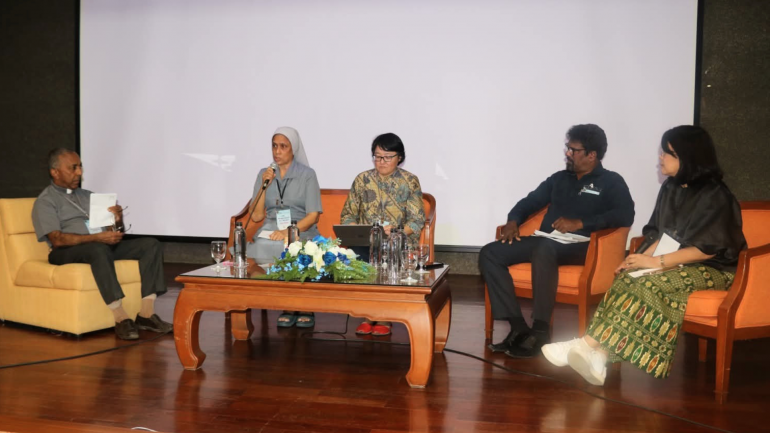
National synodal teams across Asia were urged to accompany dioceses patiently and creatively as the Catholic Church seeks to move from consultation to deeper participation and shared responsibility.
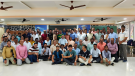
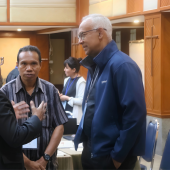
The call came during a panel discussion titled “Accompanying the Diocese in Moving Forward on Synodality” on September 2 at Joseph Nattaya Conference Hall in Bangkok. The session was part of a three-day meeting of national synodal teams being held at Baan Phu Waan, the pastoral formation center of the Catholic Church in Thailand.
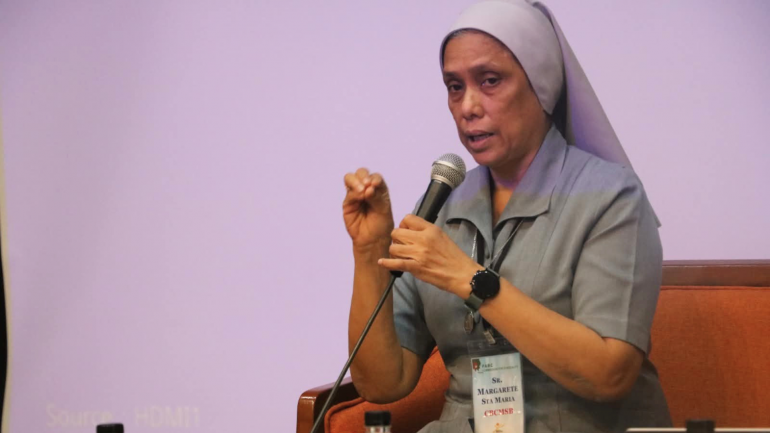
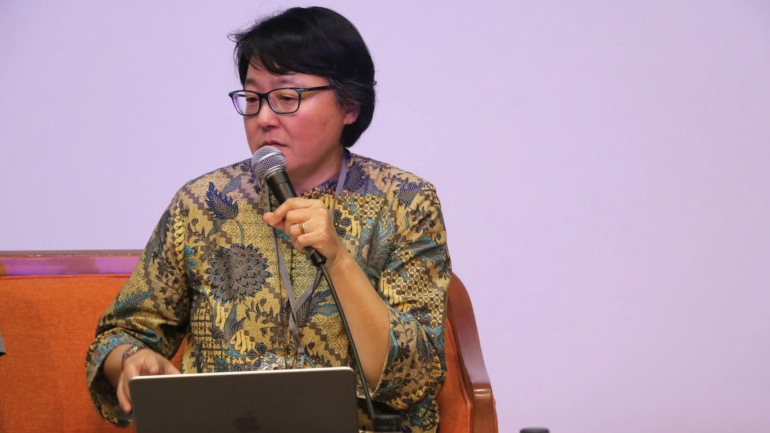
The discussion was moderated by Fr. Vimal Tirimanna, CSsR, of Sri Lanka, a member of the Commission for Synodality, with panelists Sr. Momoko Nishimura, SEMD, of Japan; Sr. Margarete Sta Maria of Malaysia; Mr. James William Lappen of Sri Lanka; and Ms. Jessica Joy Candelario of the Philippines.
The panel examined how key elements of synodality, listening, participation, decentralization and decision-making, are taking concrete form in different Asian contexts.
Sr. Margarete said synodal practices were not entirely new in Malaysia, where dioceses have long gathered clergy, religious and lay Catholics for assemblies and consultations. She pointed to preparations for the Malaysian Pastoral Convention in Sarawak, where representatives from nine dioceses are expected to gather after separate consultations among clergy, religious, laity and youth.
Ms. Candelario described the Philippines’ effort to localize synodality through local languages, cultural images, Gospel-based formation and participatory processes. Since the establishment of the National Synod Team in 2021, she said, the process has increasingly enabled dioceses to identify their own priorities and develop practical frameworks for implementing synodality. She stressed that synodality must include voices that have often remained on the margins.
In the Philippines, pastoral assemblies are increasingly preceded by sectoral gatherings, while parish and diocesan pastoral councils are being reshaped to include groups whose experiences need to be heard.
The panel also highlighted the importance of collaboration between synodal teams and Church leadership.
In Japan, Sr. Momoko noted that the Catholic community’s minority status has already encouraged forms of collaboration, but this can sometimes lead to the perception that the Church is “already synodal.” An aging clergy and declining vocations also make it difficult for priests to take on additional initiatives, she said.
Mr. Lappen said Sri Lanka continues to face a strong “top-down” mentality in which people often wait for Church leaders to make decisions. Given the country’s ethnic and linguistic diversity and its history of conflict, he emphasized the importance of deeper listening and greater participation at the grassroots level.
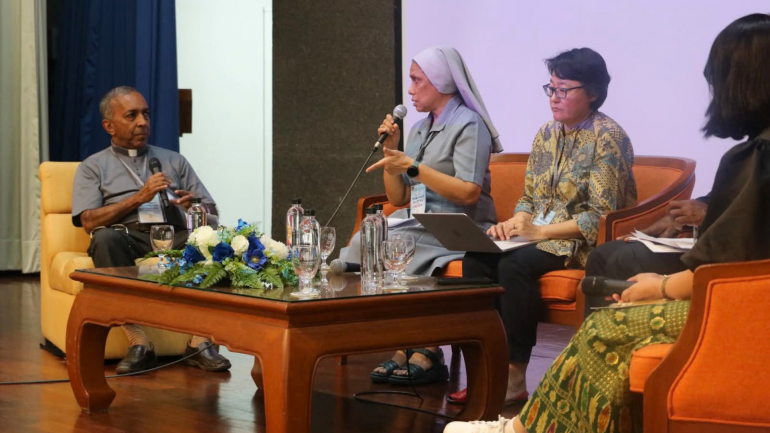
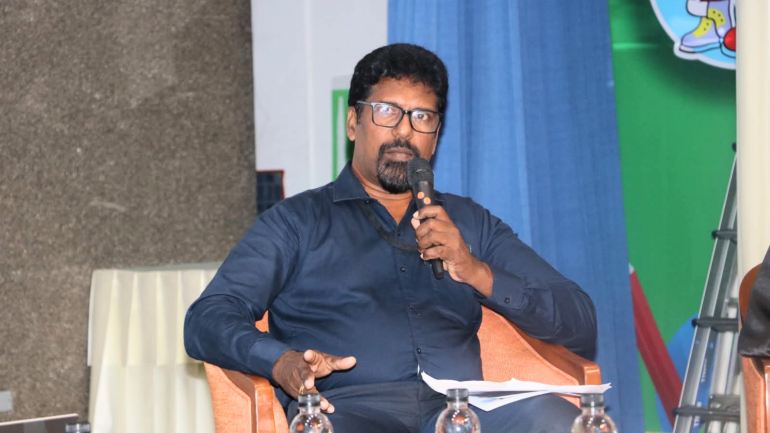
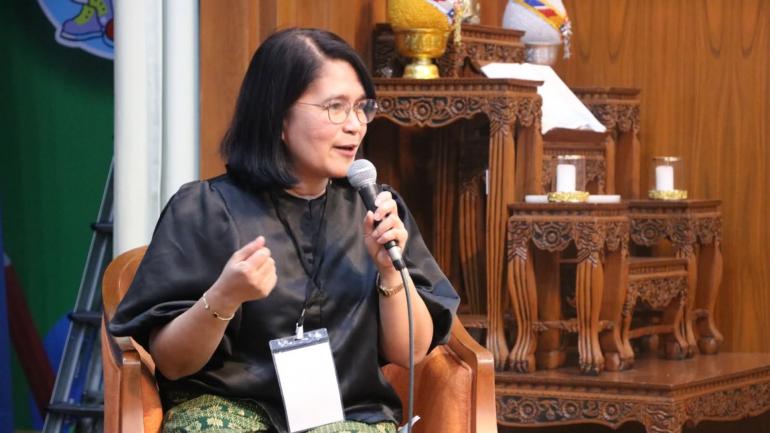
The panelists identified mentality as one of the central obstacles to synodality. Ms. Candelario also warned against working in institutional “silos,” saying commissions and ministries must learn to work across existing structures rather than treating synodality as another separate program.
Fr. Tirimanna emphasized that synodal teams should not see themselves as a body standing apart from bishops, clergy or local Churches. Their role, he said, is to accompany and build bridges, creating spaces where people can listen to one another without feeling threatened or judged.
The discussion also stressed that people and Churches will move at different speeds. Rather than forcing reluctant communities to adopt synodal practices, participants called for patience, formation and respectful accompaniment.
The panelists repeatedly returned to the spiritual foundation of the process. Mr. Lappen emphasized prayer and openness to the Holy Spirit, while Ms. Candelario said structures and practices are necessary spaces through which the Spirit can work.
Youth participation was another major concern. Ms. Candelario said young people should not merely be invited as participants but entrusted with roles as facilitators and contributors to discernment. She cited efforts in the Philippines to create spaces where young people can articulate their experiences and contribute directly to synodal discussions.
The panel concluded with practical advice for national synodal teams: persevere, remain courageous, recognize the gifts of each person, create spaces for dialogue and shared formation, and begin with the culture and realities of each local Church.
For Asia’s diverse Churches, the panelists suggested, synodality need not begin with grand programs. It can start with simple acts of listening, collaboration and walking together, within the Church and with wider society.
Radio Veritas Asia (RVA), a media platform of the Catholic Church, aims to share Christ. RVA started in 1969 as a continental Catholic radio station to serve Asian countries in their respective local language, thus earning the tag “the Voice of Asian Christianity.” Responding to the emerging context, RVA embraced media platforms to connect with the global Asian audience via its 21 language websites and various social media platforms.
Latest News