Philippines: Mindoro Pushes Energy Conservation as Advocates Call for Rapid Shift to Renewables

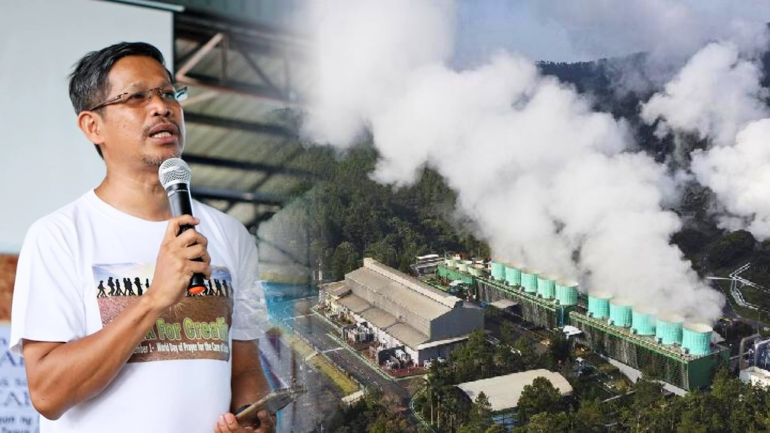
Energy and environmental advocates have underscored the need to fast-track Oriental Mindoro’s shift to renewable energy (RE), as the Philippines provincial government rolls out conservation measures amid global oil supply disruptions linked to tensions in the Middle East.
In a press release dated March 9, green groups said the recent energy-saving directives of the Provincial Government of Oriental Mindoro reflect the island’s vulnerability to external fuel shocks and reinforce the urgency of transitioning to clean energy sources.
In compliance with national government directives, the province has temporarily compressed the workweek for government employees and adopted fuel-saving and energy efficiency measures. These include limiting air-conditioning use in offices, tightening the use of government vehicles, and prioritizing online meetings.
“Conservation measures are an important immediate response, but they also remind us of the deeper challenge we face,” said Fr. Edwin Gariguez, executive director of the Diocesan Social Action Commission of the Apostolic Vicariate of Calapan and convenor of the Protect the Verde Island Passage (Protect VIP) network.
“As long as island provinces depend heavily on imported fossil fuels for electricity, communities will remain vulnerable to global crises that are beyond our control,” Fr. Gariguez said.
Reports have warned that diesel-dependent off-grid areas in the Philippines may face electricity price pressures if global oil prices continue to rise, as many isolated grids rely on diesel-fired generators.
Advocates noted that Oriental Mindoro has already laid policy groundwork for a clean energy transition. In 2023, the provincial government under Gov. Humerlito “Bonz” Dolor declared Oriental Mindoro a province promoting the innovative development and efficient utilization of renewable energy, and created a Provincial Power and Energy Council through an executive order. A 2018 provincial study also mapped out pathways for transitioning public facilities and energy systems to renewable sources.
“The province has long recognized the importance of renewable energy. What is needed now is to accelerate implementation so that communities can benefit from affordable, reliable, clean energy,” said Avril de Torres of the Center for Energy, Ecology, and Development (CEED).
She cited distributed systems such as rooftop solar installations as immediately deployable solutions that can cushion communities from energy price shocks.
Across Mindoro, grassroots initiatives are beginning to demonstrate the viability of decentralized renewable systems. Indigenous Mangyan communities have benefited from off-grid solar installations that power community facilities and provide basic electricity access.
The Apostolic Vicariate of Calapan has also begun implementing its energy transition roadmap, which includes solarizing parishes, schools, and other church-run facilities as part of its 75th anniversary initiatives.
A recent report by CEED said Mindoro has an estimated renewable energy potential of about 34 gigawatts from solar and wind resources alone, surpassing the country’s current total installed energy capacity.
“Mindoro has an opportunity to become a beacon of hope to the country and prove that an energy system that is resilient to global shocks and responsive to the needs of communities is possible,” de Torres said.
Fr. Gariguez added that accelerating the Renewable Energy transition would not only enhance energy security but also help protect the globally significant ecosystems of the Verde Island Passage.
“Moving away from fossil fuels is not only about energy security but also about protecting the biodiversity of the Verde Island Passage and safeguarding the livelihoods of coastal communities that depend on healthy marine ecosystems,” he said.
Advocates said the province’s conservation drive could serve as a springboard for broader renewable energy deployment in government buildings, schools, hospitals, and other public institutions, as well as for passing an ordinance that would promote and incentivize the use of renewable sources.
“Energy conservation is an important immediate step,” Fr. Gariguez said. “But the long-term solution for Mindoro is a full transition toward renewable energy so that we provide electricity that is truly, truly cheap, reliable, and clean for every Mindoreño.”
Radio Veritas Asia (RVA), a media platform of the Catholic Church, aims to share Christ. RVA started in 1969 as a continental Catholic radio station to serve Asian countries in their respective local language, thus earning the tag “the Voice of Asian Christianity.” Responding to the emerging context, RVA embraced media platforms to connect with the global Asian audience via its 21 language websites and various social media platforms.
Latest News