PIME-Founded St Philip’s School & College Marks 75 Years of Educational Service in Bangladesh

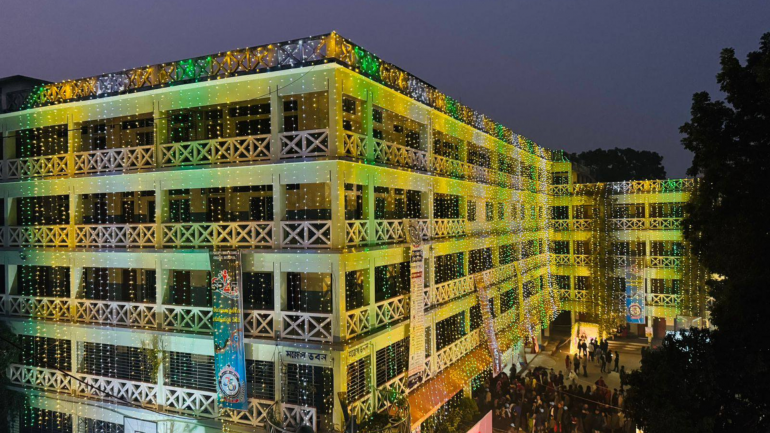
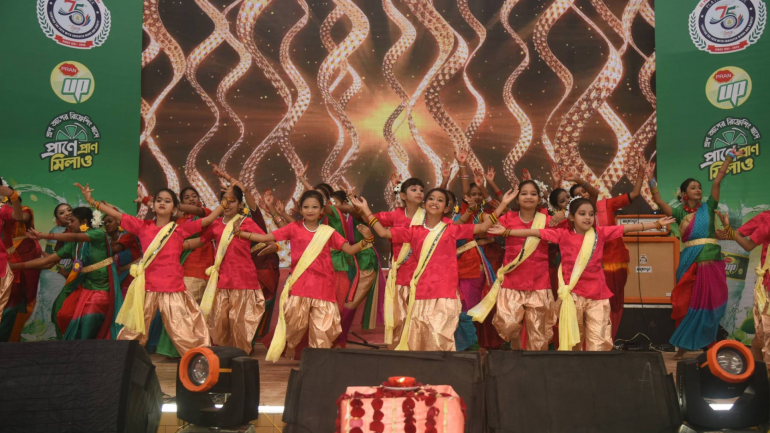
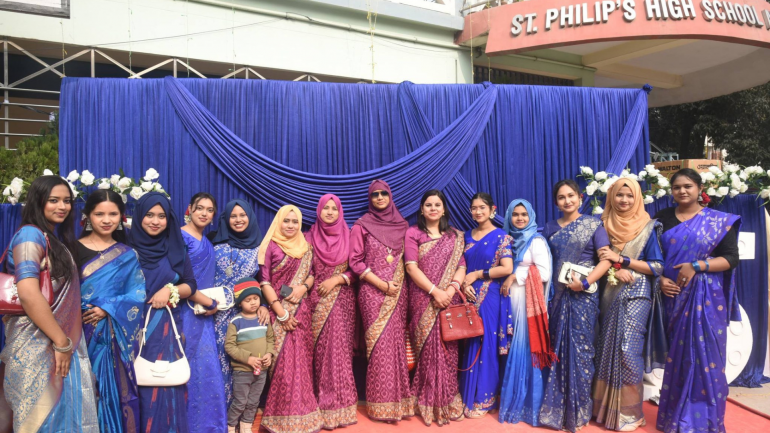
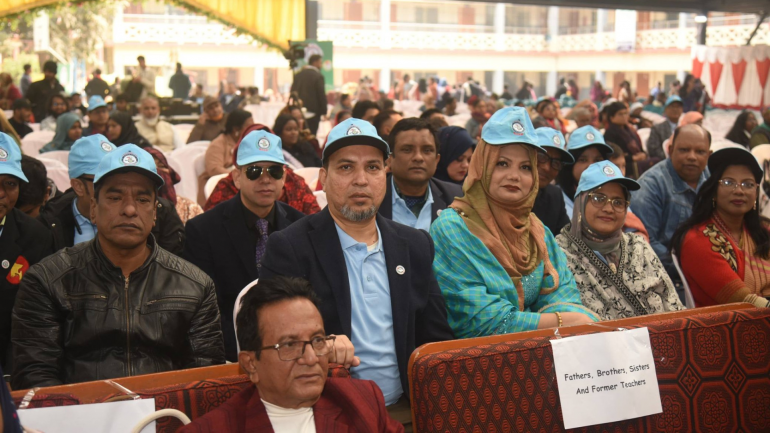
St Philip’s High School & College in Kasba, Dinajpur, in northwestern Bangladesh, celebrated its Platinum Jubilee on January 4, marking 75 years of service in education, particularly among indigenous Catholic communities in northern Bangladesh. Thousands of present and former students, teachers, Church leaders, and well-wishers joined the celebrations, reflecting the institution’s deep-rooted impact on society.
Founded by PIME missionaries and now administered by the Holy Cross Brothers, the school has long been a cornerstone of education in the Diocese of Dinajpur. The diocese has more than 80,982 Catholics, nearly 90 percent of whom belong to indigenous communities. In a region with only six high schools and one college, St Philip’s has played a decisive role in human development, leadership formation, and social upliftment over the decades.
The school’s contribution has been widely acknowledged beyond the Christian community. Muslim parent Qazi Habibur Rahman praised the institution’s discipline and steady progress.
“I have closely observed the development of the school over the last 10 years,” he told RVA. “There has been remarkable improvement in both education and sports. My child will sit for the Secondary School Certificate examination this year. If I am asked about the best aspect of this school, I would say its discipline.”
Former students also shared how the institution shaped their lives. Joseph Hasda, a Catholic alumnus now working for an NGO in Dhaka, recalled studying at the Church-run boarding facility.
“There was no school in our area, so I stayed at the boarding hostel and completed my education here,” he said. “This school helped me establish myself in life. I remain deeply grateful to my teachers.”
Another alumnus, Mawlana Abed Ali, 78, a Muslim cleric, reflected on the school’s early days.
“There was a time when there were no proper buildings or electricity,” he recalled. “Yet our teachers worked with sincere effort and ensured we received the best possible education.”
He added that three generations of his family — himself, his sons, and his grandchildren — have studied at St Philip’s.
Bro Kajol Linus Costa, CSC, highlighted the school’s mission beyond academic success.
“Our goal is not only good examination results but the formation of good human beings,” he said. “We want our students to grow into conscientious, value-driven citizens who can serve their families, society, and the nation.”
Over the years, the school has evolved from chalk-and-blackboard teaching to multimedia classrooms. Alongside academics, students engage in co-curricular activities that promote environmental care, sports, cultural expression, and reading habits.
Joshua Tudu, a former student from the Santal indigenous community, described the institution as a source of pride.
“St Philip’s High School & College stands as a glorious testimony to the spread of education,” he said. “It has produced many knowledgeable and talented individuals who serve the country and beyond. It continues to do so, and that gives us great joy.”
The school’s contribution to women’s empowerment was also highlighted. Sumi Mardi, a nurse from the Urao indigenous community, said education transformed her life.
“This school has empowered hundreds of women like me,” she said. “Today, we are self-reliant and serving our families and society. St Philip’s has played a vital role in providing quality education to indigenous girls, especially in Dinajpur.”
During the celebration, meritorious students were formally honoured for their academic achievements.
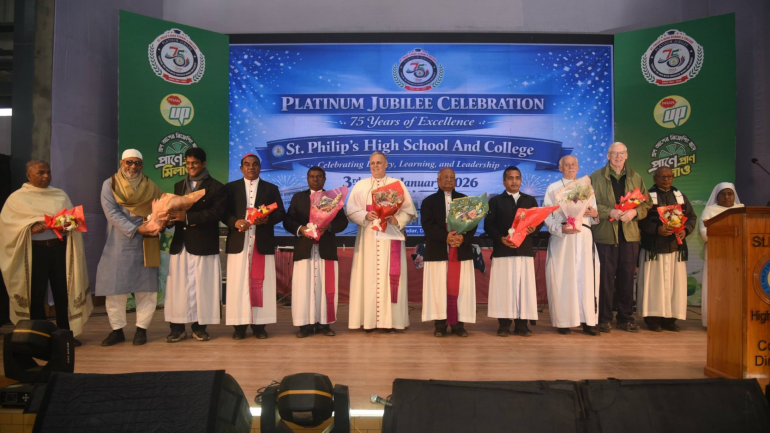
The event was graced by the Apostolic Nuncio to Bangladesh, Archbishop Kevin S. Randall Stewart, as chief guest. Bishops Gervas Rozario of Rajshahi and Emmanuel K. Rozario of Barisal attended as special guests, along with Bishop Sebastian Tudu of Dinajpur, chairman of the school board.
As St Philip’s High School & College looks ahead, its Platinum Jubilee stands as a testament to 75 years of faith-inspired education, inclusive service, and hope for future generations.