



Rommel Corro: Filipino Housing Advocate Who Bikes to Work Daily and Champions Climate Justice

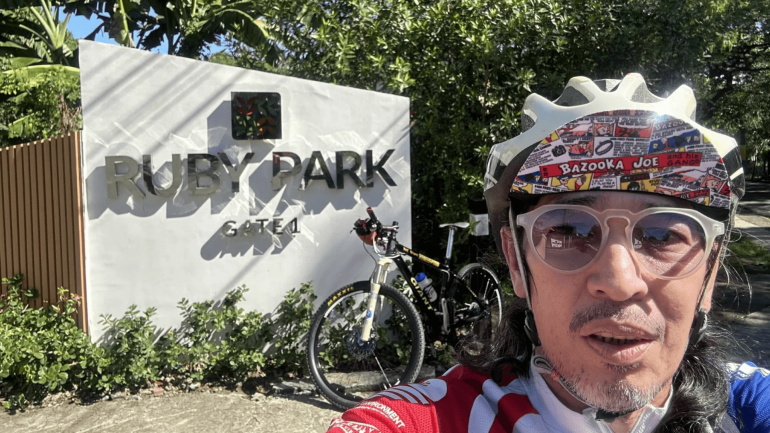
For Filipino Catholic social worker Rommel Miles E. Corro, justice is never an abstract idea reserved for classrooms or conferences. It is lived daily—on crowded streets, in vulnerable communities, and even on two wheels. A philosopher by training and a social development worker by vocation, Corro has spent decades weaving together faith, climate justice, and people-centered development in ways that are both practical and prophetic.
Corro is the co-founder and executive director of Luntiang Pabahay (LuPa) Inc., a Philippine-based housing non-government organization that promotes green building technologies and sustainable methodologies. For him, providing decent shelter should never come at the expense of the environment or the poor.
“The work of housing is also the work of justice,” Corro said in an interview with Radio Veritas Asia. “How we build, where we build, and for whom we build already says a lot about the kind of society we want.”
Faith formed in classrooms—and communities
Corro’s early formation in philosophy and theology laid the foundation for his lifelong engagement with social issues. He taught Philosophy and Theology for several years, including Benedictine lay formation programs, and later served as an area coordinator at San Beda College Alabang. With nearly two decades of academic and administrative experience, he consistently challenged students to see faith not as inward-looking belief, but as something that demands concrete social action.
“Faith must move people—to think deeply, to live responsibly, and to act courageously for the common good,” he said.
That conviction eventually drew him beyond the academe and into communities most exposed to climate risks. As a former project manager for Habitat for Humanity Philippines, Corro worked closely with vulnerable families to build safer and more dignified homes. His work has spanned community organizing, disaster preparedness and response, and urban development—contexts where climate change is not theoretical, but a daily lived reality.
“I talk about climate justice and the environment not just as issues, but as moral imperatives,” Corro explained. “Disaster preparedness, risk reduction, and recovery are not merely technical exercises. They are expressions of solidarity with communities that suffer the most from ecological crises.”
Two wheels as climate action
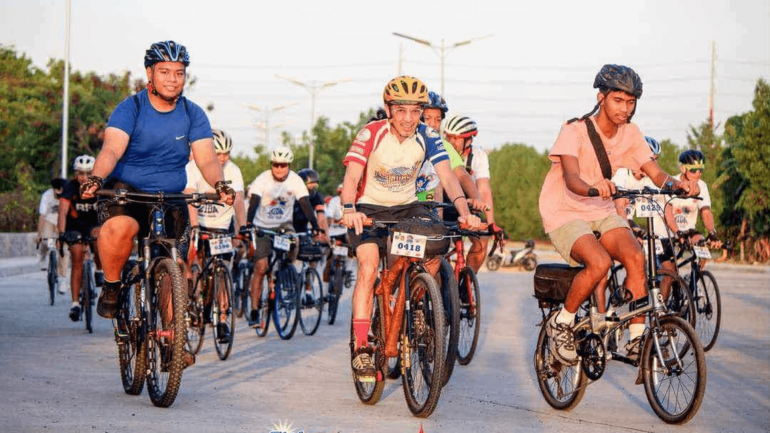
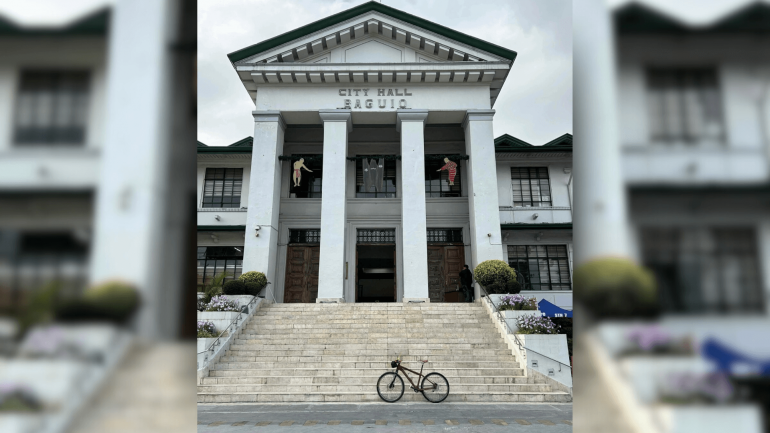
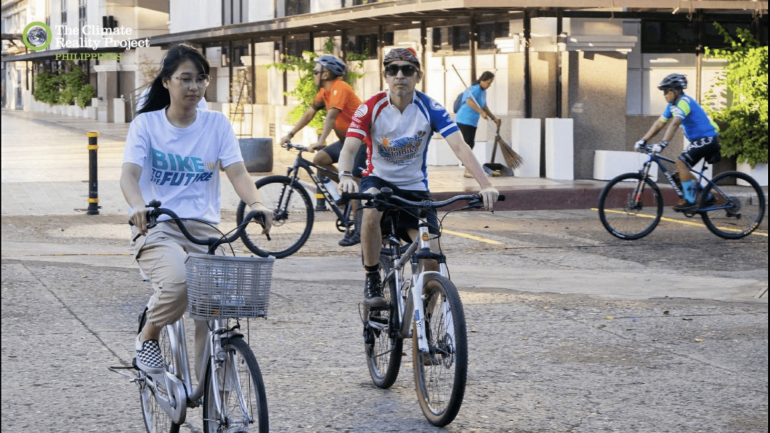
One of Corro’s most visible advocacies is his commitment to sustainable mobility. Long before cycling became fashionable, he was already biking to work—turning a personal choice into a political and ecological statement.
“It’s about sustainable and inclusive mobility,” he said. “Lessening, if not totally eliminating, dependence on fossil-fueled transport, and making space in public streets for freedom of movement.”
For more than 25 years, Corro has chosen his bicycle over his car, despite owning a large vehicle. His reasons go far beyond convenience.
“I abhorred driving because I was often alone in the vehicle and stuck in traffic,” he recalled. “My stress levels would spike even before work began. When I started biking, I felt a tremendous difference in so many ways.”
Cycling became what he calls a “revolutionary lifestyle” and his most concrete form of climate action—“a form of parliament in the streets,” an everyday assertion that another way of living is possible.
The benefits, he noted, are both personal and planetary. “Health and wellness—I’m a type 2 diabetic, so the exercise keeps my glucose in check; zero emissions since I don’t drive most days; fuel savings, no parking fees, and freedom of mobility since traffic won’t stall my trip.”
Still, the risks are real. “The scary part is being bullied on the road or being run over,” Corro admitted, highlighting the urgent need for safer cycling infrastructure, group riding, and workplace support such as secure bike parking, showers, and changing facilities.
Yet, he insisted, the benefits far outweigh the risks. “If amplified, cycling can significantly reduce the consequences of climate change.”
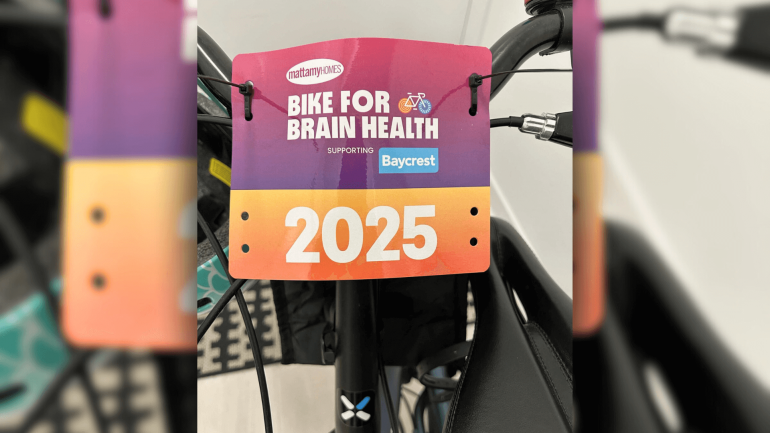
Climate justice through the eyes of the poor
Corro’s climate advocacy is deeply shaped by the Philippine context—one marked by inequality and vulnerability. “Our country may appear small in terms of global emissions,” he said, “but records show that the Philippines is among the world’s top plastic polluters. And poorer countries suffer the most catastrophic impacts of climate hazards.”
He pointed to fishing communities battered by increasingly violent typhoons and marine ecosystems poisoned by plastic and chemical pollution. “Behind every catch, we fail to consider the degree of contamination—microplastics entering the food chain while we consume them,” he warned.
Farmlands, he added, face similar threats. “We ingest heavy metals and toxins from unnatural forms of production,” he said, noting how this sharply departs from traditional organic farming practices once sustained by more stable climates.
“The poor experience the worst impact—from lives lost and property destroyed to the total loss of homes and livelihoods,” Corro said. “The cycle continues as typhoons grow stronger while disaster preparedness remains inadequate.”
Accountability—and hope
Despite the enormity of the crisis, Corro remains grounded in hope—tempered by responsibility. “Climate change is anthropogenic—human-induced,” he said. “We cannot blame governance alone. We are also accountable in the way we live and in the small actions we take every day.”
He challenged the illusion of a “throw-away culture.” “There is no such thing as ‘away’ when we throw our garbage,” he stressed, pointing to irresponsible waste disposal, overconsumption, and fast fashion that have created what he called “clothing landfills in every corner of the world.”
What sustains him is deeply personal. “Seeing my grandchildren every day reminds me to keep going,” Corro shared. “Change may not happen in my lifetime, but collective efforts will create the ripple effect our planet desperately needs.”
A life lived as witness
Corro holds a Master of Arts in Philosophy and a bachelor’s degree in Classical Philosophy from Christ the King Mission Seminary. He is an active professional member of the Philippine Accrediting Association of Schools, Colleges, and Universities (PAASCU), where he has served as chair for College and University Community Involvement since 2009. In 2016, he was trained as a Climate Reality Project Philippines Leader, joining a global network of climate advocates. He is also an athlete with Team Triabetics, proving that health challenges need not hinder purposeful living.
At the heart of Rommel Corro’s story is a quiet but firm conviction: faith must be embodied. Whether teaching philosophy, building green homes, cycling through traffic, or standing with vulnerable communities, his life bears witness that caring for people and caring for the planet are inseparable acts of justice.