

Tewatta Basilica: The National Shrine of Our Lady of Lanka, Heart of Faith and Devotion in Sri Lanka

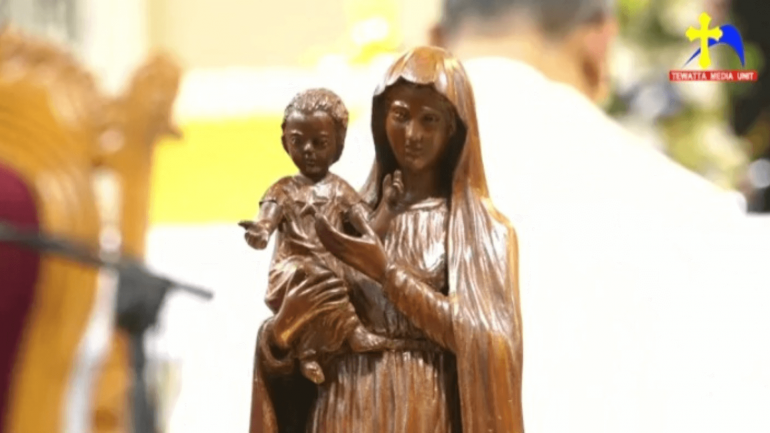
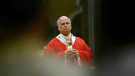
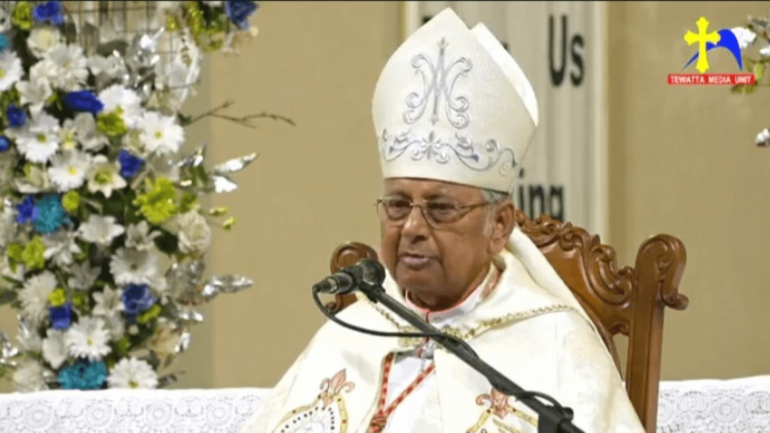
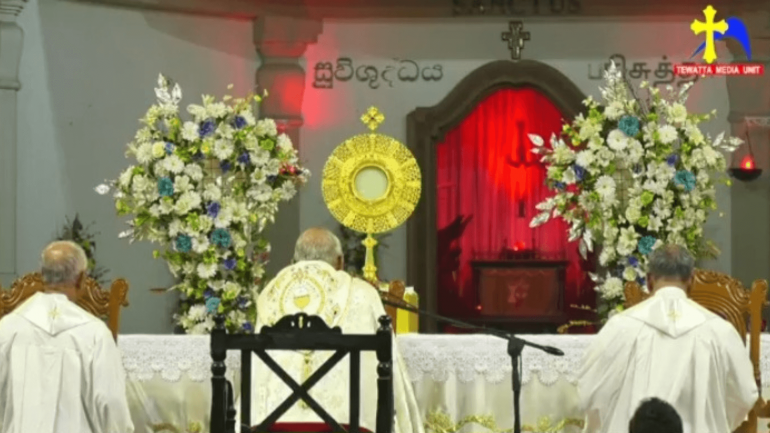
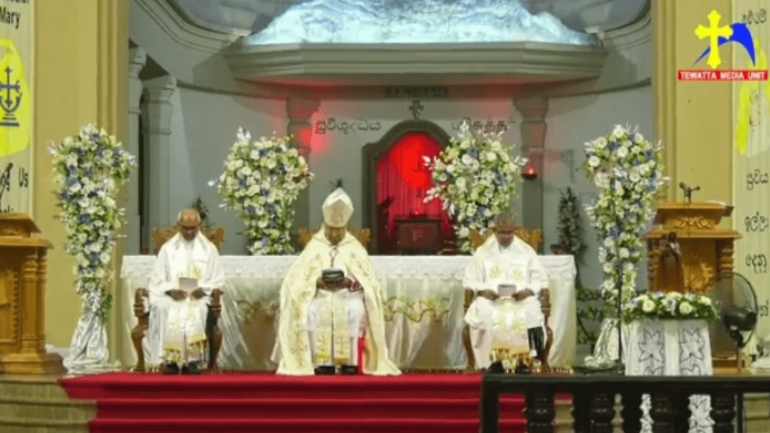
Sri Lanka’s Catholic Church marked National Independence Day and the feast of Our Lady of Lanka, the country’s patroness, with solemnity and devotion on February 4 at the Tewatta National Basilica, led by Malcolm Cardinal Ranjith, Archbishop of Colombo.
The feast of Our Lady of Lanka is celebrated each year on February 4, coinciding with the country’s Independence Day. The day honors Mary as the spiritual protector of Sri Lanka, a devotion rooted in centuries of missionary activity and local faith. Catholics across the island venerate her through major shrines, including Madhu in the north, Matara in the south, and the basilica at Tewatta near the capital.
In his homily, Cardinal Ranjith highlighted the ongoing challenges facing the nation despite political independence, noting that economic and social vulnerabilities remain for many citizens. Reflecting on Mary’s role as a refuge and protector of the faithful, the cardinal emphasizing her continued intercession for the nation. The celebration featured Mass, prayers, and devotional acts, drawing Catholics from across Sri Lanka to honor the patroness.
History of the Tewatta National Basilica of Our Lady of Lanka
The Tewatta National Basilica, dedicated to Our Lady of Lanka, is the principal Marian shrine in Sri Lanka and serves as the national basilica and patroness shrine of the country. Its origins are closely tied to the growth of Marian devotion in Sri Lanka, which began during the Portuguese period and was nurtured by missionaries, including the Oratorians led by St. Joseph Vaz, who popularized devotion to Mary across the island.
During the colonial era, Catholics faced persecution and hardship, yet devotion to Mary continued to grow, with local Christians referring to her in Sinhala as “Maniyani” and in Tamil as “Madave.” Over the centuries, Marian shrines developed across the country, with Tewatta emerging as a central location near the capital, symbolizing national unity and spiritual protection.
Following Sri Lanka’s independence, the bishops of the country formally recognized Mary as the Patroness of Sri Lanka, and the basilica at Tewatta became the focal point for national Marian devotion. The cornerstone of the present church was laid on February 4, 1950, under the leadership of Archbishop Thomas Benjamin Cardinal Cooray (O.M.I.), who envisioned a grand church to honor Mary as protector of the nation.
Construction was completed in 1974, a year after Pope Paul VI granted the church the title of Minor Basilica. On February 6, 1974, the basilica was consecrated, and the statue of Our Lady of Lanka was crowned, establishing Tewatta as the national shrine and a symbol of both faith and national identity.
Today, the basilica serves as a spiritual center for Catholics from across Sri Lanka, hosting annual celebrations on Independence Day, February 4, and drawing thousands of pilgrims who honor Mary’s intercession for peace, unity, and the well-being of the nation. The Tewatta basilica continues to stand as a testament to centuries of devotion, missionary effort, and the enduring faith of Sri Lanka’s Catholic community.