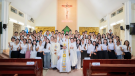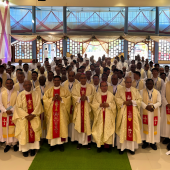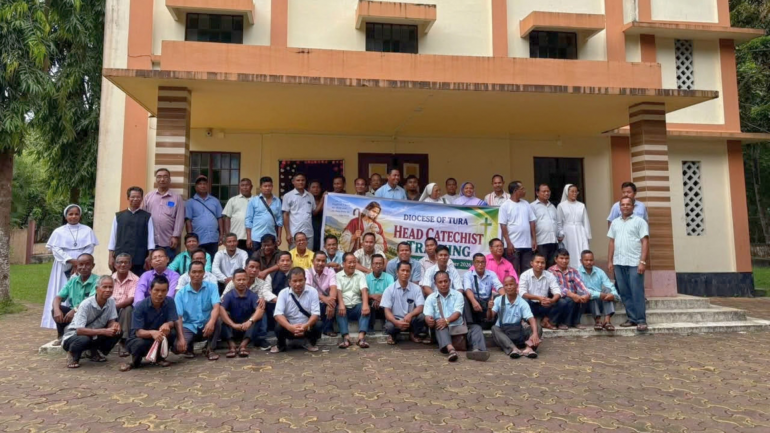
The Diocese of Tura conducted a 10-day formation program for head catechists serving Christian communities in rural areas of Meghalaya in northeastern India, focusing on spiritual renewal, pastoral formation and practical skills for proclaiming the Gospel.
The Procharoks Head Catechist Training Programme 2026 was held from September 15 to 24 at the Diocesan Pastoral Centre in Tura. The term Procharok refers to a person who proclaims or spreads the Gospel and, in the context of the Diocese of Tura, refers to pastoral workers who assist in evangelization, catechesis and the accompaniment of Christian communities, particularly in villages.
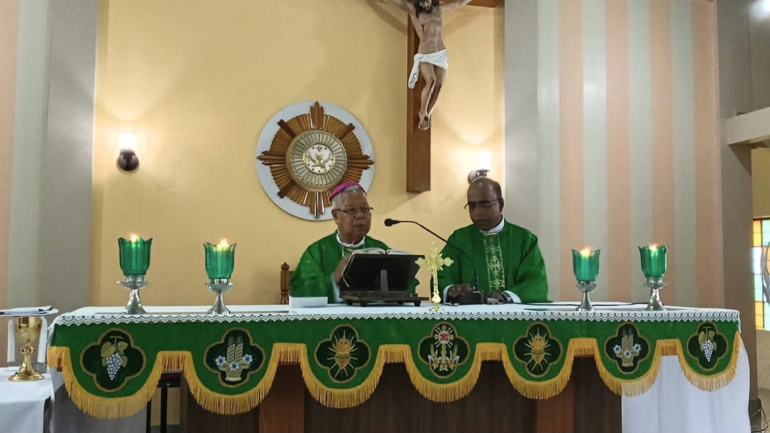
Bishop Andrew R. Marak of Tura inaugurated the program on September 15, highlighting the important contribution of Procharoks to the Church’s mission through their presence and service in rural communities.
Bishop Marak expressed appreciation for their commitment to ministry despite the limited financial allowances they often receive. He said their continued service is sustained by their love for God and Christ. He also emphasized the importance of close cooperation between Procharoks and parish priests for effective pastoral ministry.
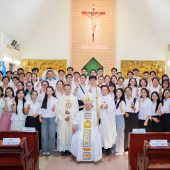
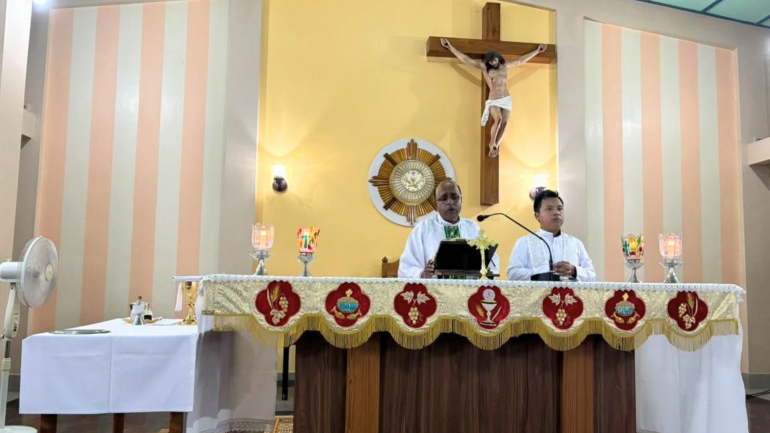
The inaugural day concluded with Holy Mass celebrated by Fr. Francis, director of the program, marking the beginning of the 10-day period of formation, prayer and fellowship.
During the program, participants received instruction from various resource persons on 16 topics related to their pastoral responsibilities. The sessions combined classroom instruction with interactive discussions, allowing participants to raise questions and clarify areas of difficulty.
Participants described the training as enriching and relevant to their ministry.
Nikijk Momin appreciated the variety of subjects, saying the sessions provided new knowledge and helped her understand different aspects of her service. Nikjen A. Sangma said the program offered practical learning directly connected with the ministry of a Procharok, while Pitilson T. Sangma highlighted the relevance of the topics to pastoral service and expressed hope that similar training would continue annually.
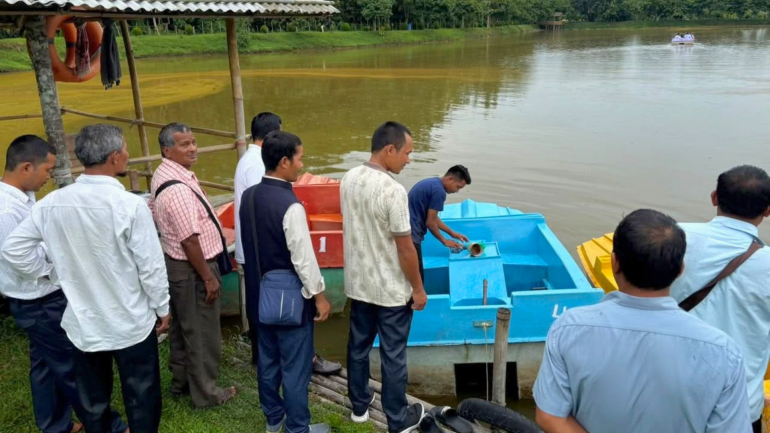
Fellowship was also an important part of the program. On September 20, participants visited the State University and Komen Lake before proceeding to St. Clare Church in Ampati Parish. The outing provided an opportunity for relaxation and strengthened fraternity among the participants.
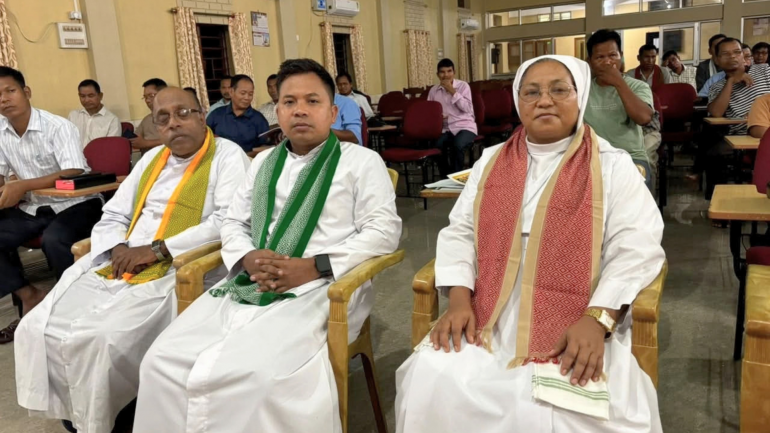
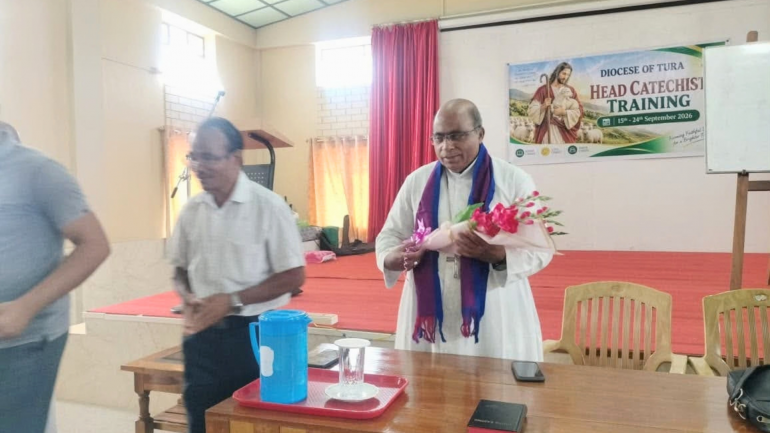
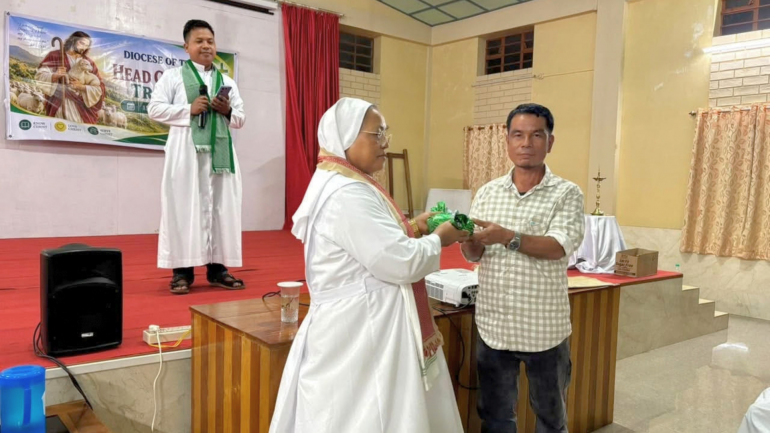
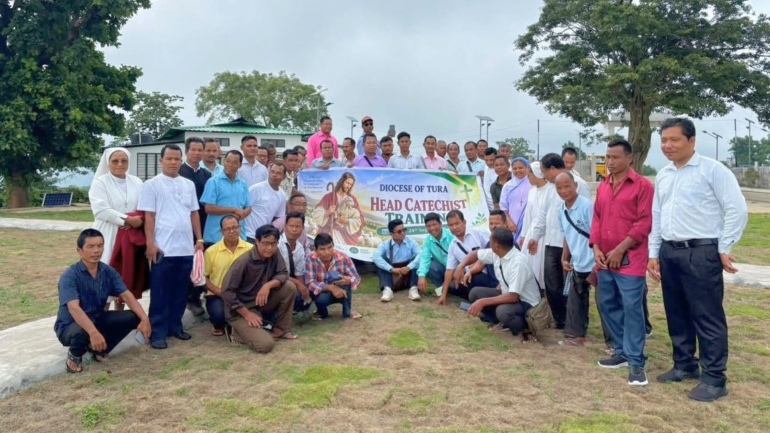
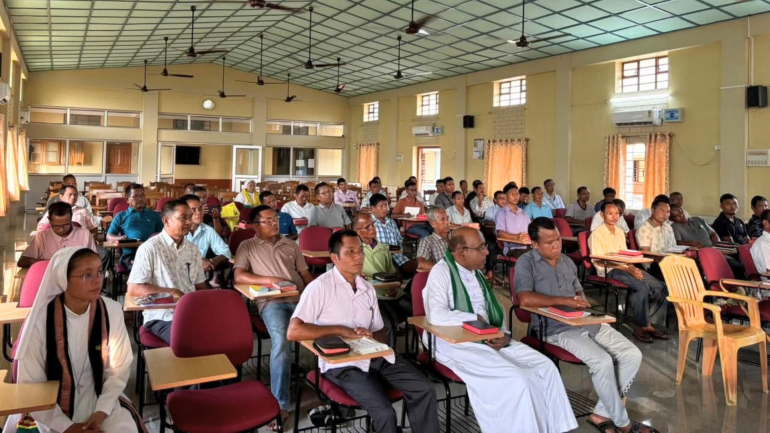
The program included an examination in September. 22 based on the topics covered during the training. A day of recollection was held on September 23 and preached by Father Saji, director of Holy Redeemer. Participants were given time for prayer, reflection and spiritual renewal, as well as an opportunity to receive the Sacrament of Reconciliation.
The farewell program included recognition of participants who performed well in the examination. Bhully Marak of Sacred Heart Shrine, Tura Parish, secured first place, followed by Molnath B. Marak of Jengjal Parish in second place and Pitilson T. Sangma of Deku Parish in third place. The three received gifts in recognition of their achievement.
Nikjen A. Sangma was also honored as the Best Procharok for his dedication to the ministry, particularly his commitment to spending additional days traveling to and serving communities in the villages.
The program concluded with gratitude and renewed commitment among the participants. The 10-day formation experience combined prayer, learning, assessment and fellowship, equipping the Procharoks to return to their respective communities with greater pastoral awareness and renewed enthusiasm to proclaim the Gospel and serve the people in collaboration with their parish priests.
Radio Veritas Asia (RVA), a media platform of the Catholic Church, aims to share Christ. RVA started in 1969 as a continental Catholic radio station to serve Asian countries in their respective local language, thus earning the tag “the Voice of Asian Christianity.” Responding to the emerging context, RVA embraced media platforms to connect with the global Asian audience via its 21 language websites and various social media platforms.
Latest News