Organizers of World Youth Day (WYD) Seoul 2027 assured Church leaders from across Asia that preparations for the global gathering are focused not only on logistics but also on providing young pilgrims with a safe, welcoming, and spiritually enriching experience
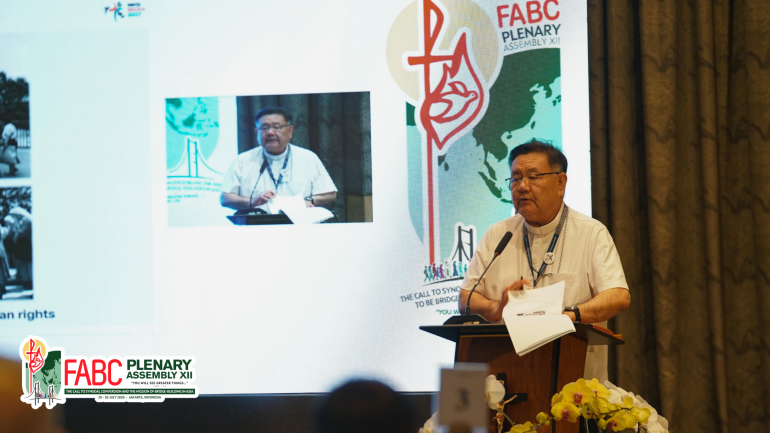
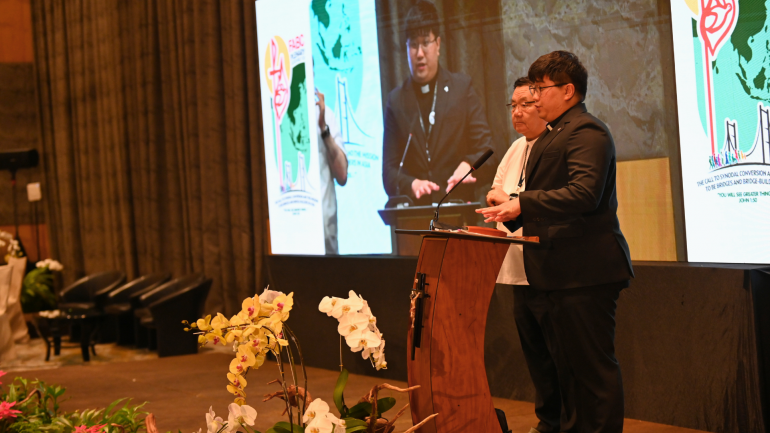
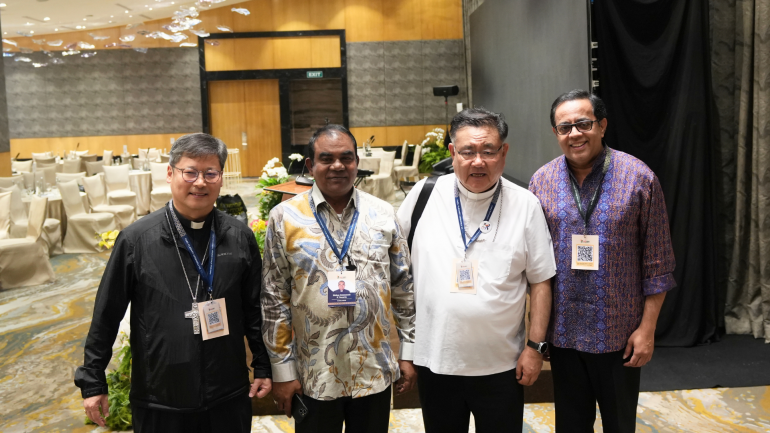
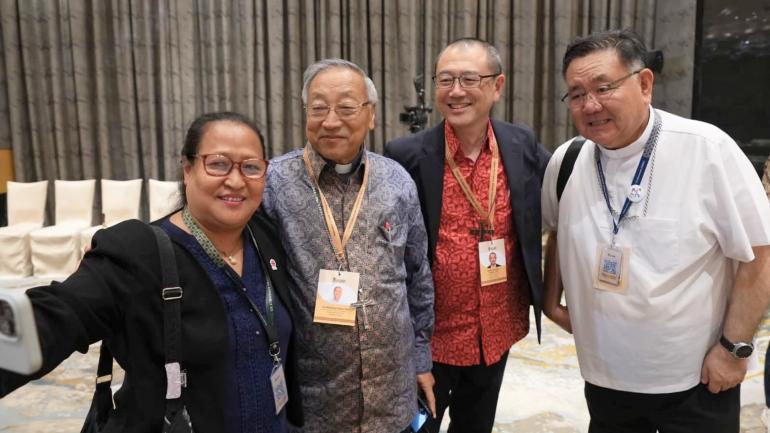
The orientation session, held in the Vanda Room of Hotel Mulia after dinner on July 23 during the 12th Plenary Assembly of the Federation of Asian Bishops' Conferences (FABC), gave bishops and delegates an overview of preparations while allowing them to raise questions about accommodations, transportation, safeguarding, and other practical concerns.
The session was led by Auxiliary Bishop Paul Kyung Sang Lee of Seoul, General Coordinator of WYD Seoul 2027.
Introducing the event, Bishop Lee reflected on the history of the Catholic Church in Korea, describing how it has been shaped by persecution, war, and a long journey toward peace and democracy.
"The Church in Korea grew on the soil of suffering, not in comfort," he said.
Drawing on that history, Bishop Lee said WYD Seoul 2027 is intended to be more than an international youth gathering. It aims to help young people discover how hope can emerge from historical wounds and how faith continues to flourish amid adversity.
WYD Seoul 2027 will be held from August 3–8, 2027, following the traditional Days in the Dioceses program scheduled for July 29–August 2.
Organizers outlined the registration process and explained that Seoul's extensive public transportation network will serve as the primary means of travel for pilgrims. Each participant will receive a transportation card providing access to the city's subway and bus systems throughout the event.
The presentation also highlighted preparations for health care and safety, including support from eight Catholic hospitals, 24-hour emergency services, coordination with the South Korean government on visa facilitation, and environmental initiatives such as reusable water bottles and refill stations to reduce single-use plastic waste.
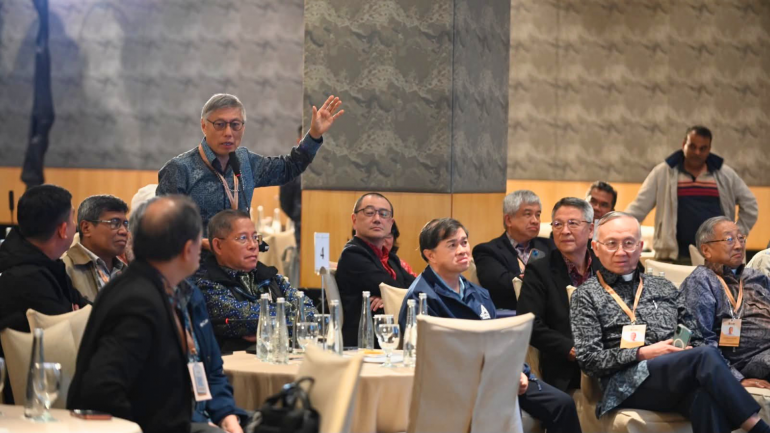
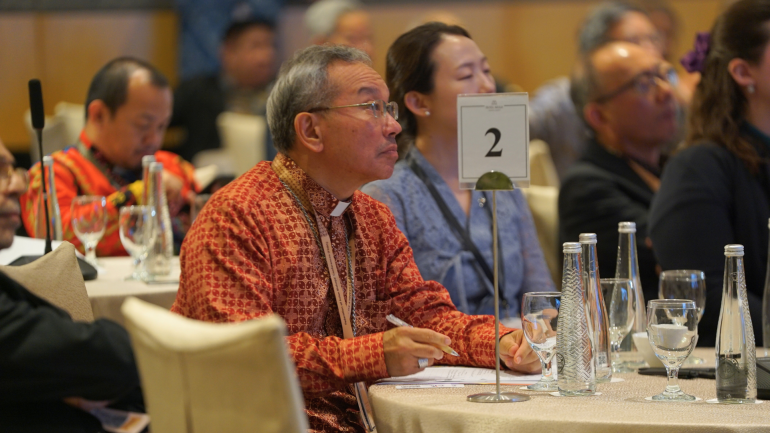
The orientation became particularly interactive during the open forum, where delegates shared lessons learned from previous World Youth Days and raised practical concerns.
One delegate recalled that at WYD Lisbon, one of the biggest challenges for young pilgrims was the shortage of mobile phone charging stations rather than the event program itself.
Responding to the concern, Fr Lee assured participants that organizers had already taken the issue into account.
"We are giving serious attention to the availability of toilets, including portable facilities, as well as mobile phone charging stations," he said.
Accommodation was another major topic. Delegates asked how organizers would avoid the scheduling problems experienced at previous international Church events.
The organizing committee explained that accommodation bookings will follow predetermined schedules, ensuring pilgrims have lodging for the duration of their confirmed reservations while allowing sufficient time to prepare facilities for incoming groups.
Organizers estimate that about 500,000 international pilgrims will participate in WYD Seoul 2027, although final numbers will depend on registration in coordination with the Holy See.
Concluding the session, Bishop Lee invited the Churches of Asia to begin preparing their young people for the international gathering.
"Seoul is ready to welcome your young people. I hope to see all of you in Seoul," he said.
The orientation reflected the organizers' commitment not only to preparing the logistical aspects of WYD Seoul 2027 but also to listening to the concerns of local Churches, ensuring that the pilgrimage will be safe, well organized, and spiritually meaningful for young Catholics from across the world.