




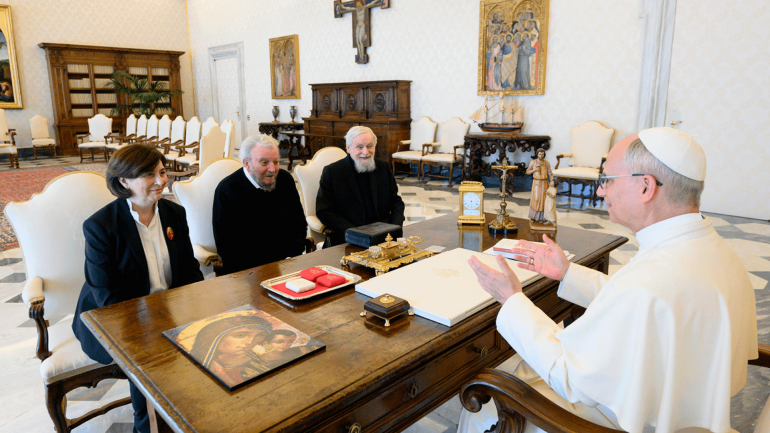
In a rapidly secularizing world, few ecclesial movements have generated as much missionary zeal—and occasionally, internal friction—as the Neocatechumenal Way.
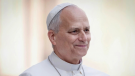
On January 19, 2026, the movement’s complex role in the universal Church was brought into sharp focus during a significant audience with Pope Leo XIV.
Standing before over a thousand itinerant catechists and leaders in the Vatican’s Hall of Blessings, the Pontiff offered a message that struck a delicate balance: high praise for their fearless missionary energy, paired with a firm, fatherly correction regarding their integration into local dioceses—a topic that resonates deeply with the Church in Asia.
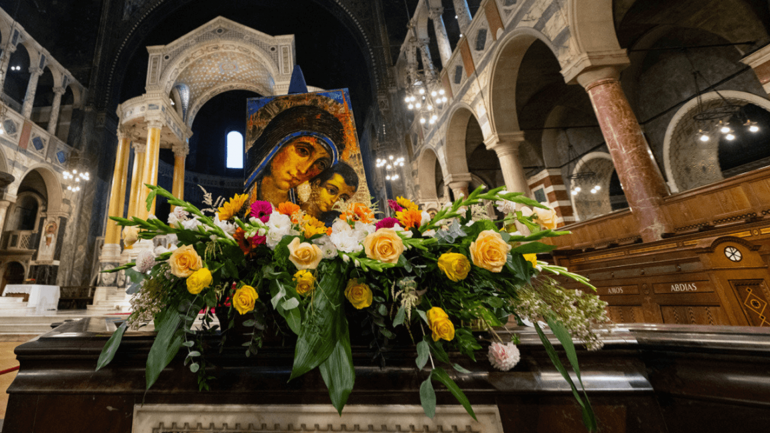
“Avoid Rigidity and Moralism”
Pope Leo XIV began by acknowledging the movement as a "precious contribution to the life of the Church." He specifically praised the families who, responding to a call of faith, leave the security of their ordinary lives to become missionaries in distant and often difficult territories. He noted their unique success in "reawakening" the faith in baptized Christians who have forgotten their identity.
However, the heart of the Pope’s message was a call to ecclesial maturity. "Strive forward in joy and humility, without closing yourselves off, as builders and witnesses of communion," he urged.
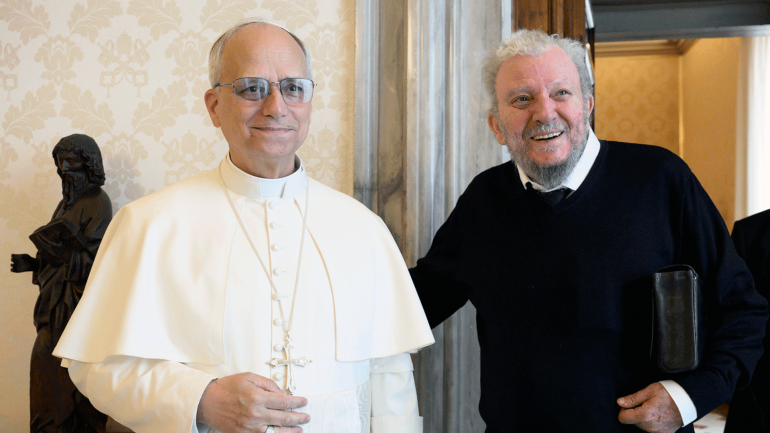
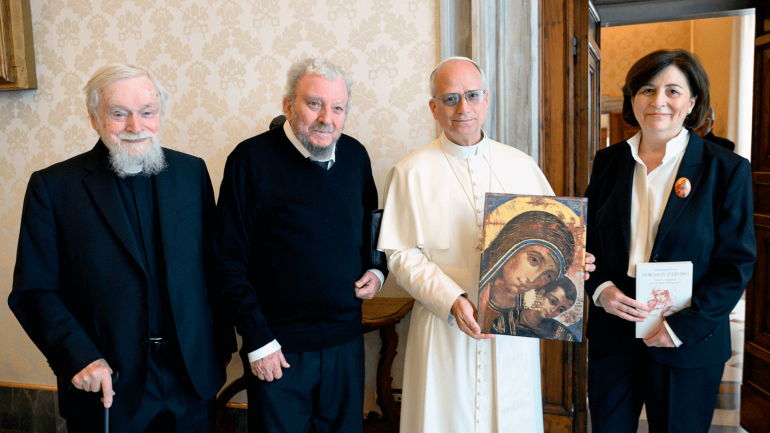
Addressing the internal risks often associated with the group, the Pope warned against "rigidity and moralism." He reminded the assembly that their charism, while unique, is not exclusive.
"No ministry should become a reason to feel superior to one's brothers and sisters and to exclude those who think differently," Pope Leo stated.
He emphasized that the Way must remain part of the ordinary pastoral care of parishes, operating in full communion with bishops—a directive that carries significant weight for the movement's operations across the Asian continent.
From the Shanty Towns to the Asian Mission
To understand the distinctive intensity of the Neocatechumenal Way, one must look to its humble origins. It was not born in a theological library, but in the dust of the Palomeras Altas shanty towns near Madrid in 1964.
Founded by Spanish painter Kiko Argüello and the late chemist-theologian Carmen Hernández, the "Way" began among the poorest of the poor—Gypsies, the homeless, and the marginalized.
Argüello found Christ in the suffering of these "innocents," leading to a synthesis of preaching based on the early Christian catechumenate: a long-term itinerary of formation designed to lead baptized adults to a mature faith.
Today, that seed has grown into a massive global tree. As of July 2025, the Way boasts over 20,000 communities in 139 nations.
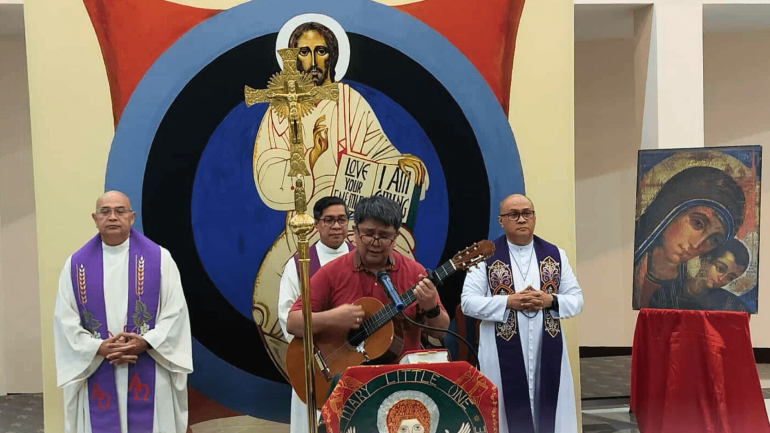
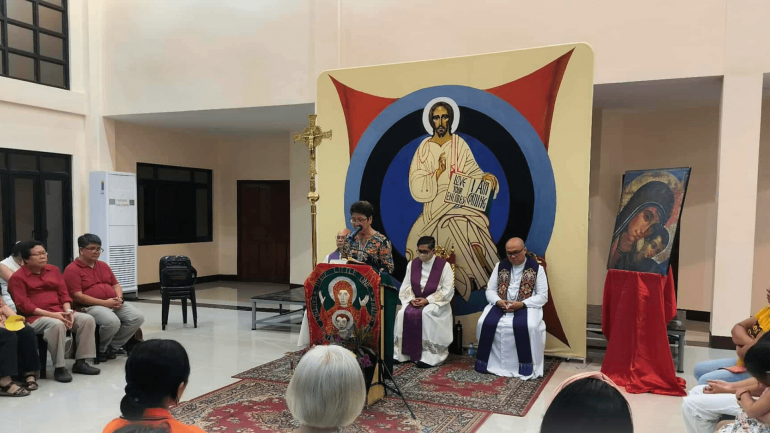
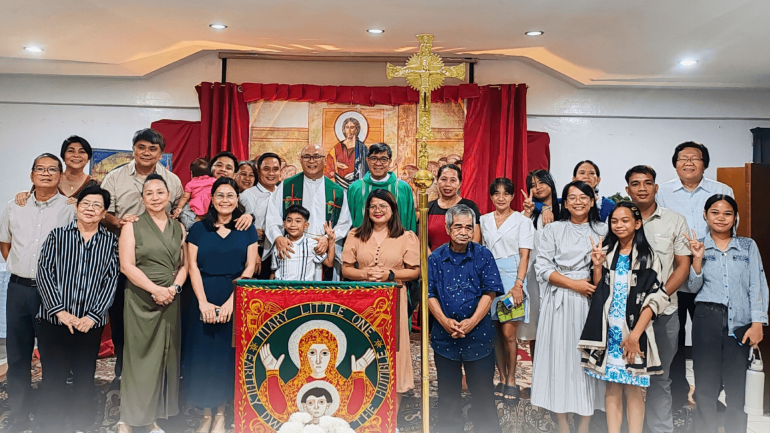
In Asia, the movement views the continent as fertile ground for the "New Evangelization." Active in nations including China, India, Indonesia, Pakistan, Vietnam, and Kazakhstan, the movement has deployed families for Missio ad Gentes—missions in areas with little to no Christian presence—across the region.
Furthermore, they have established Redemptoris Mater seminaries in strategic locations such as Bangalore, Takamatsu, Manila, Karachi, and Seoul to raise local clergy formed in their specific charism.
Friction and Resistance: The Lesson of Japan
Despite its successes, the movement’s expansion in Asia has not been without resistance. The Pope’s recent warning to "respect each person's life journey" touches on a raw nerve regarding the Way’s history in Japan, which serves as a crucial case study for the region.
For years, tensions existed between the Neocatechumenal Way and the Catholic Bishops’ Conference of Japan (CBCJ). The Bishops expressed concern that the movement’s activities were "sect-like," causing "sharp, painful division" within small parish communities.
Japanese prelates argued that the movement often failed to adapt to Japanese culture, enforcing a European style of worship and community life that alienated local believers.
This friction culminated in 2010 when the Japanese bishops moved to suspend the Way’s activities to facilitate a "reset" and inculturation process. While the suspension was technically rescinded by the Holy See to allow for dialogue, the underlying issues highlighted a crucial struggle: the balance between a global movement's specific methods and the authority of local shepherds.
Defenders of the movement often cited "disobedience" on the part of the Bishops, but Canon Law—and the Way’s own Statutes—clarifies that the local Bishop is the ultimate authority on Christian initiation in his diocese.
As the Statutes state, the Way is "at the service of the bishop." The Japanese bishops’ insistence that the movement learn the local language and culture was not an act of rebellion, but an exercise of their pastoral duty to protect the unity of their flock.
A Way Forward
The history of the Neocatechumenal Way in Asia serves as the context for the Pope’s message this January. The zeal to evangelize is vital, especially in minority-Christian regions, but it can become counter-productive if it bypasses local culture or ecclesiastical authority.
As Pope Leo XIV concluded his address, he offered a path forward that resonates with the Asian context: "The proclamation of the Gospel... must always be free from constraint, rigidity, and moralism."
For the thousands of families and itinerant catechists serving in Asia, the mission continues—but with a renewed mandate. To be effective in Asia, they are called to be not just builders of communities, but builders of communion.
At a Glance: The Neocatechumenal Way (2025)
-
Global Presence: 139 Nations
-
Communities: 20,300
-
Seminaries: 116 Redemptoris Mater seminaries (producing over 3,000 priests)
-
Key Asian Seminaries: Bangalore (India), Takamatsu (Japan), Manila (Philippines), Karachi (Pakistan), Seoul (South Korea).
-
Mission: Missio ad Gentes (families in mission) active in 68 nations.



- Reply
Permalink