



What is a Filipino Christmas?
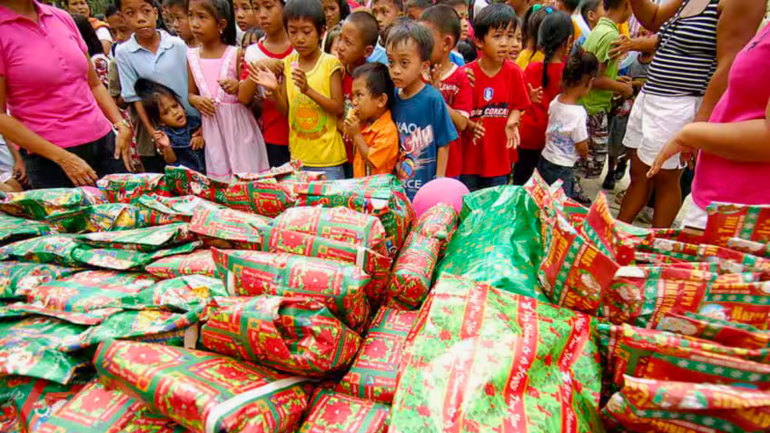
For many Filipino children, Christmas is filled with sound and movement. It begins with pangangaroling – children and youth going around neighborhoods singing Christmas carols, their voices echoing joy and excitement. Closely linked to this is pamamasko, a tradition where children visit houses, especially those of relatives, godparents, and neighbors, singing or offering Christmas greetings and, in return, receiving small gifts or cash known as pamasko.
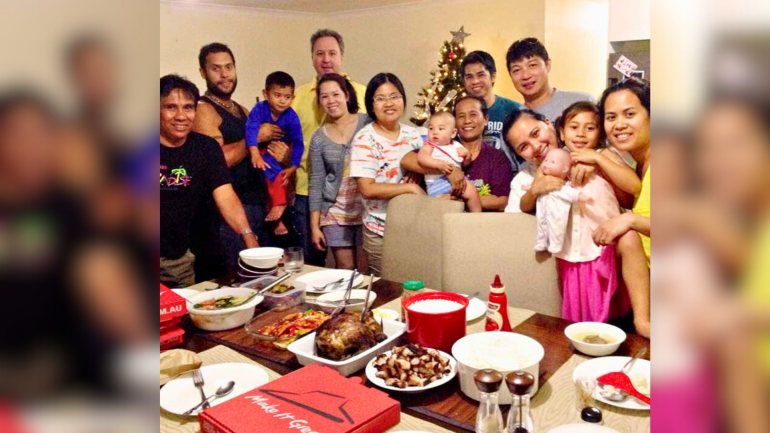
These traditions are part of a childhood that feels light and carefree. Christmas, also means family reunions, long tables full of food, games with cousins, laughter that lasts late into the night, and gifts that feel magical simply because they are given with love. These moments become our core memories, the kind we carry quietly into adulthood, experience that we dearly miss.
But life happens. And as we grow older, Christmas begins to change.
One day, we realize that we are no longer the ones waiting to receive. We become the ones who give. We are now the providers – the ones planning the meals, preparing the house, budgeting for gifts, and thinking about how to surprise our parents this time. We want to give our best to the people we love, even when our resources, strength, and emotions feel stretched.
There are also family reunions we approach with hesitation. Christmas gatherings sometimes bring unresolved issues to the surface. We may feel tired, guarded, or tempted to avoid difficult conversations. Yet we still come together, because Christmas calls us to face not only joy, but also truth.
So, where does Christmas meet all of this?
It meets us in a manger.
Jesus was born in uncertainty. Mary and Joseph worried about where she would give birth. Like many families today, especially the homeless and those living on the streets, they had no proper place to stay. There was no guarantee of safety, no assurance that everything would go according to plan. The birth of Christ happened not in comfort, but in vulnerability.
Yet in the middle of fear and uncertainty, Mary and Joseph trusted. They believed that God was present, even when the situation seemed fragile and unclear.
This is what Christmas feels like when we grow older.
It is no longer loud, happy, or carefree all the time. Sometimes it is unclear. Hesitant. Heavy with responsibility. There are moments when all we can say is bahala na, a Filipino phrase we say when we no longer know what to do, but it is not as surrender to fate, but rather as an act of faith. A quiet decision to trust God when we do not have all the answers.
Yes, Christmas can feel sad as we age. We carry more worries than before. We are no longer as carefree as the children singing Christmas carols outside our doors. But this sadness does not last forever. When we place our trust in God, it gradually transforms into peace, ultimately leading to contentment. We begin to understand that even in a world marked by corruption, poverty, and personal family struggles, hope is still possible.
That hope came as a Child.
Jesus, born in the poorest of conditions, reminds us that God enters the world not when everything is perfect, but precisely when it is broken. If the Savior of the world chose to be born in a manger, then our own uncertainties are not signs of failure; they are invitations to trust.
This, perhaps, is the deeper meaning of a Filipino Christmas today. It is no longer just about receiving gifts, but about learning how to give, how to carry responsibility, and how to trust God quietly and faithfully, believing that, in the end, He is with us, and that is enough.