Kuwait: Historic Elevation of First Basilica a Spiritual Home for Asia’s Migrant Faithful

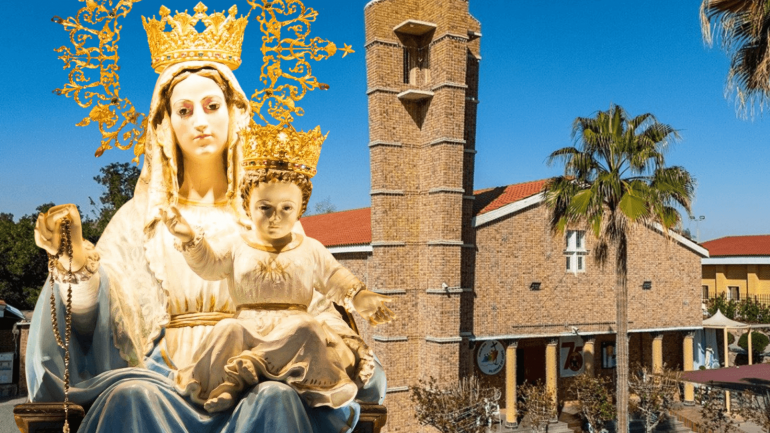
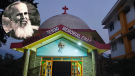
In a landmark moment that bridges the Middle East with the faithful of Asia, the Holy See has elevated the Church of Our Lady of Arabia in Al-Ahmadi, Kuwait, to the rank of Minor Basilica.
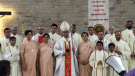
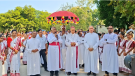
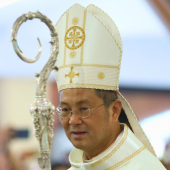
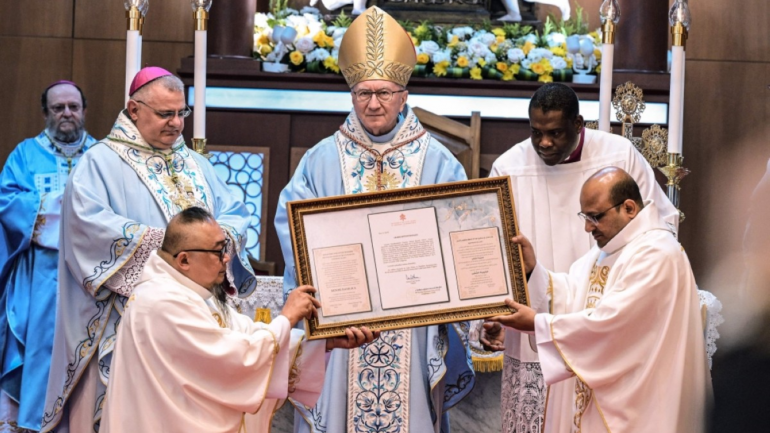
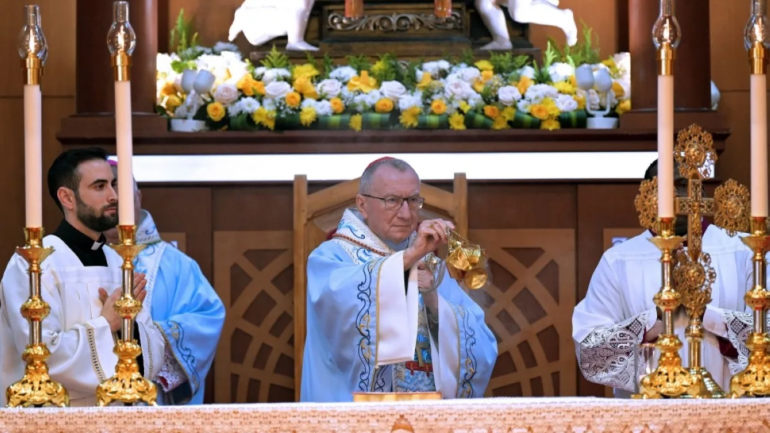
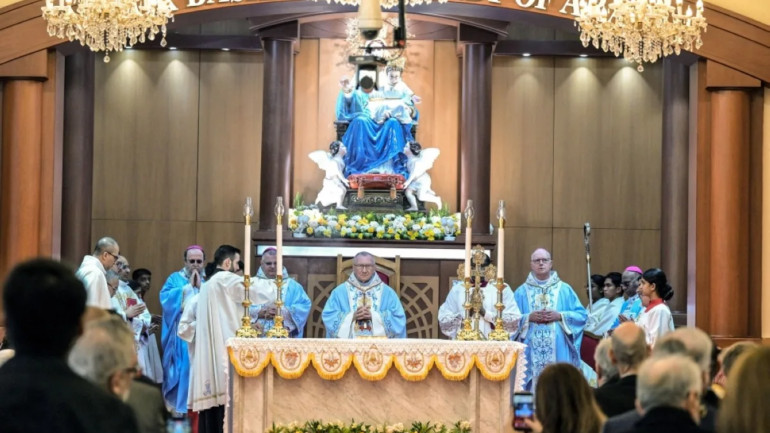
Cardinal Secretary of State Pietro Parolin presided over the historic Mass on Jan 16, marking the first time a church in Kuwait has received this title. The designation is reserved for churches of special liturgical, historical, and pastoral significance.
Addressing a diverse congregation—comprised largely of migrant workers from the Philippines, India, and other Asian nations, alongside diplomats and government representatives—Cardinal Parolin described the event as “truly historic,” not only for Kuwait but for the Church throughout the entire Arabian Peninsula.
A Sanctuary on Desert Sands
In his homily, Cardinal Parolin drew a powerful parallel between the physical location of the new Basilica and the spiritual history of the region.
“Built upon the sands of the desert, this Basilica reminds us that Mary herself once found refuge in those same desert lands, where she cared for, raised, and safeguarded the one Mediator between God and the human family, Jesus Christ.”
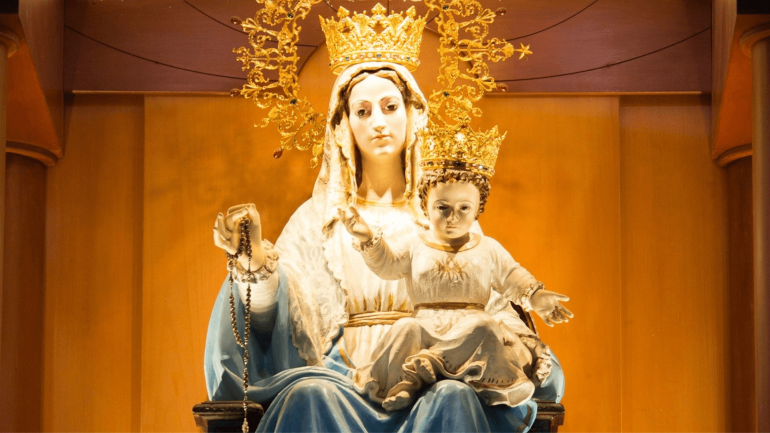
The Cardinal emphasized that just as Mary found safety in the desert, the Church today stands as a spiritual refuge. He entrusted the protection of Kuwait, its citizens, and all Christians to the Virgin Mary, "Our Lady of Arabia, Patroness of the entire Peninsula."
The Heart of the Migrant Church
The elevation of the church in Al-Ahmadi holds profound significance for the Asian diaspora in the Gulf. The origins of the parish date back to 1948, when a small group of foreign workers in the burgeoning oil industry established a humble chapel in the desert.
Today, Christians constitute approximately 20% of Kuwait’s population. The vast majority are migrant workers from Asian nations—making the Vicariate a vibrant, multicultural face of the Asian Church planted in Middle Eastern soil.
While reflecting on the Gospel, Cardinal Parolin urged the faithful to recognize Jesus as "true God and true man." He noted that in a region marked by cultural and religious plurality, the Christian community is called to be a witness of fraternity and unity.
A ‘Church Without Frontiers’
The elevation of this sanctuary resonates deeply with the teachings of Pope Francis, who has consistently championed the Church’s role as a home for those far from their native lands.
Echoing the Pope's vision of a "Church without frontiers, Mother to all," this new Basilica stands as a recognition of the vital role migrants play in the life of the Church.
As Pope Francis has emphasized in his messages for the World Day of Migrants and Refugees, "God walks with His people," particularly those who are displaced or seeking work abroad.
By elevating this church—built and sustained by migrant workers—the Holy See affirms that these Asian communities are not on the periphery, but at the very heart of the Church’s mission.
Witnesses of Hope
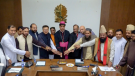
Prior to the elevation ceremony, Cardinal Parolin spent Thursday, January 15, meeting with the clergy, religious, and faithful of the Apostolic Vicariate of Northern Arabia at the Holy Family Co-Cathedral.
Celebrating the Co-Cathedral's 65th anniversary, the Cardinal delivered a message of encouragement to those serving far from their homelands.
He reminded the priests that the Lord seeks "humble hearts," not perfection. He called on them to be "priests of love... who are joyful because we know we are chosen and loved by the Lord."
He invoked the Gospel mandate to "Ask, Seek, and Knock," encouraging them to recognize their dependence on God.
Cardinal Parolin praised the local Church as an "authentic meeting place of ecumenical and interreligious dialogue, a safe harbor, and a place of peace and harmony."
He concluded his visit by expressing hope that the mutual respect and welcome practiced by Christians in the Gulf would serve as a shining example for the wider society.
Radio Veritas Asia (RVA), a media platform of the Catholic Church, aims to share Christ. RVA started in 1969 as a continental Catholic radio station to serve Asian countries in their respective local language, thus earning the tag “the Voice of Asian Christianity.” Responding to the emerging context, RVA embraced media platforms to connect with the global Asian audience via its 21 language websites and various social media platforms.
Latest News