Pope Leo XIV extended his warm wishes to millions across Asia ahead of the Lunar New Year, expressing hope that the celebration will strengthen family bonds, deepen friendships, and foster peace and prosperity.
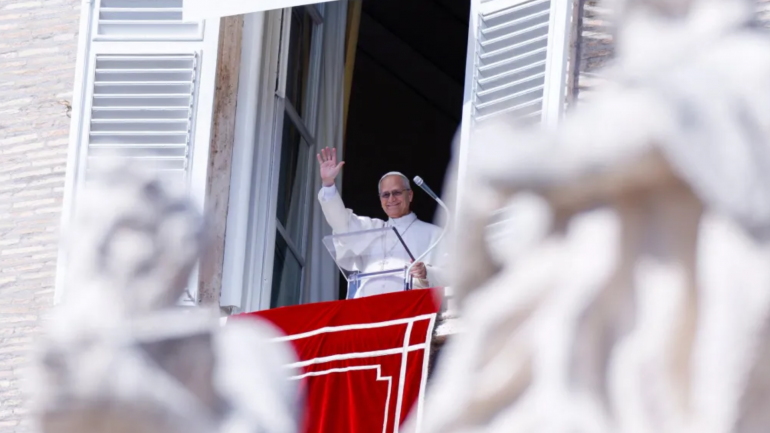
The greeting came at the conclusion of the Angelus prayer on Sunday, February 15. From the window of his study in the Vatican Apostolic Palace, the Holy Father prayed with the faithful gathered in Saint Peter’s Square before turning his attention to communities preparing to welcome the annual festival.
“In the coming days, millions of people in East Asia and other parts of the world will celebrate the Lunar New Year,” the Pope said. “May this joyful celebration strengthen family ties and friendships, bring peace to homes and society and provide an opportunity to look to the future together and to build peace and prosperity for all.”
He concluded his message with a personal note of closeness: “With my best wishes for the New Year, I express to everyone my affection and invoke the Lord’s blessing upon each one of you.”
A Celebration Rooted in Ancient Tradition
The Lunar New Year, also known as the Spring Festival, is among the most significant traditional celebrations in Asia. The 15-day observance begins with the first new moon of the lunisolar calendar and is widely celebrated across East and Southeast Asia as a time of renewal, thanksgiving, and hope.
Its origins in China date back more than 3,000 years to the Shang Dynasty (1600–1046 BC). Initially linked to agrarian cycles and ancestral veneration, the festival gradually developed into a deeply family-centered occasion.
Ancient legend speaks of a mythical beast named “Nian,” said to fear the color red and loud noises — a story that inspired enduring traditions such as red decorations and fireworks, symbols of protection and good fortune.
Celebrations Across Asia
Today, the Lunar New Year is marked by diverse yet shared traditions throughout the region.
In China, the Spring Festival is the most important annual holiday, characterized by reunion dinners, red lanterns, fireworks, and one of the largest seasonal migrations in the world.
In Vietnam, Tết Nguyên Đán (Tet) centers on honoring ancestors and sharing traditional foods such as bánh chưng, a sticky rice cake symbolizing gratitude and unity.
In South Korea, Seollal is observed with sebae, a formal bow to elders, and the sharing of tteokguk (rice cake soup), signifying the start of a new year of life.
In Singapore and Malaysia, Chinese communities celebrate with dragon dances, drum performances, and festive street displays.
In Taiwan, celebrations emphasize family dinners, red envelopes, and fireworks.
In Mongolia, the festival is known as Tsagaan Sar and is marked by family visits and traditional rituals.
In Indonesia and the Philippines, many communities — particularly those of Chinese heritage — observe the New Year with cultural performances and traditional festivities.
Common practices across the region include cleaning homes to sweep away misfortune, gathering for New Year’s Eve meals, honoring ancestors, and exchanging red envelopes as signs of blessing and goodwill.
A Message of Peace
For the Church in Asia, the Pope’s greeting carries particular significance. The Lunar New Year is not only a cultural celebration but also a moment that highlights values deeply cherished in Asian societies: family unity, gratitude, renewal, and hope.
By linking the celebration to themes of peace, solidarity, and shared prosperity, Pope Leo XIV’s message resonates strongly with the region’s cultural traditions while echoing the Gospel’s call to love and reconciliation.
As millions prepare to welcome the New Year, the Pope’s words serve as a reminder that genuine renewal begins in the heart and extends outward — into families, communities, and the wider world.