




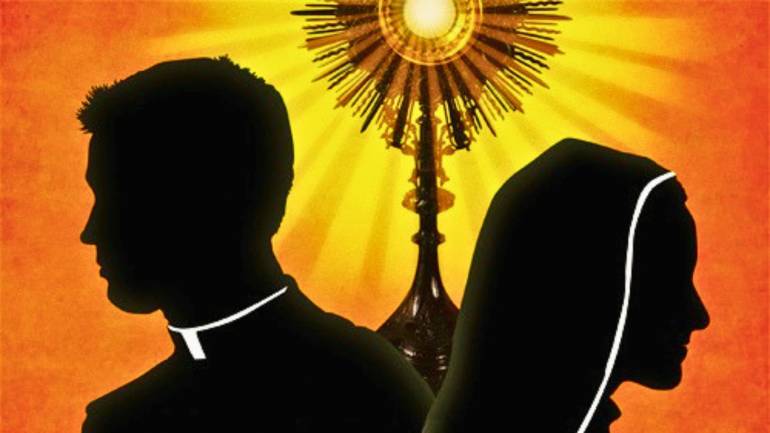
As the Archdiocese of Goa and Daman, Western India, prepares to celebrate Vocation Sunday on September 20, the question of vocations to priesthood and religious life assumes renewed importance. Although young Catholics continue to respond to God’s call, fewer are choosing the path of priesthood and consecrated life, raising important questions about how the Church can help young people hear God’s voice, discern his call and respond generously.
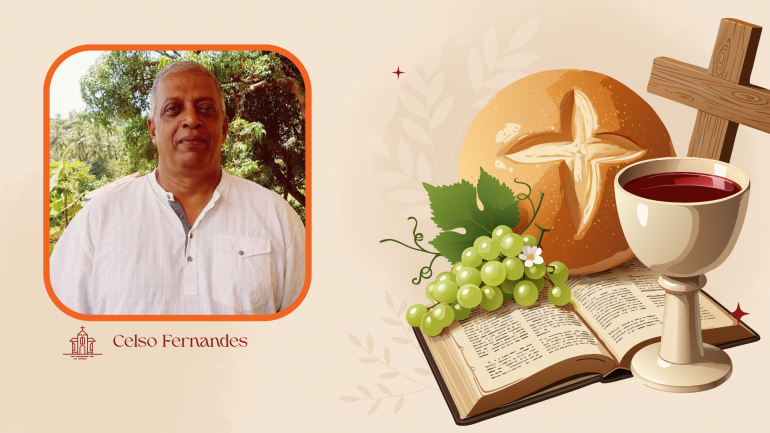
For Celso Fernandes, a resident of Taleigao in North Goa and former Moderator of the Diocesan Pastoral Council of the Archdiocese of Goa and Daman, changing family priorities are among the major factors influencing young people today.
He observes that materialistic values, technology and the competitiveness of modern life increasingly shape the choices of the younger generation. “The decrease in family values and prayers is leading the young people towards earthly career development and away from priesthood and religious life,” he says.
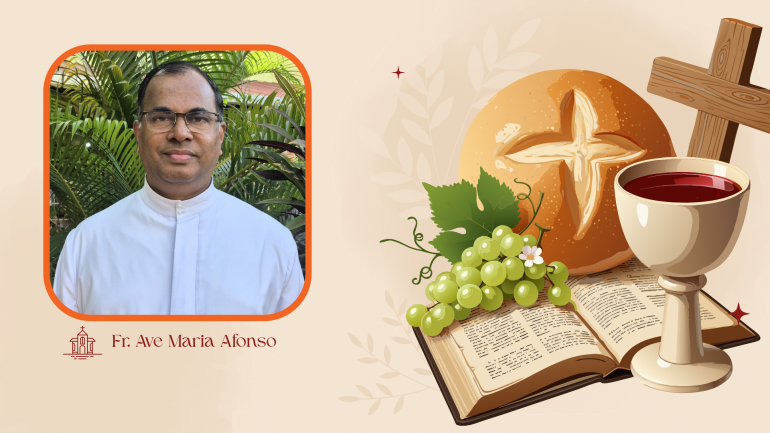
The parish community also has an important role in helping young people explore that invitation. Fr Ave Maria Afonso, Parish Priest of St Thomas Church, Cansaulim in South Goa, believes that young people need to be welcomed and encouraged to ask questions about vocation.
Priests, he says, need to witness through their lives, entrust responsibilities to young people and create opportunities for personal encounters with priests and religious. Among his suggestions is the celebration of “Vocation Sunday” every month, with priests and religious sharing their vocation stories and parish communities organising gatherings, including meals, where young people can interact with them.
Such personal encounters can make vocation more tangible. Young people may be more willing to consider priesthood or religious life when they see it lived joyfully and authentically by people they know.
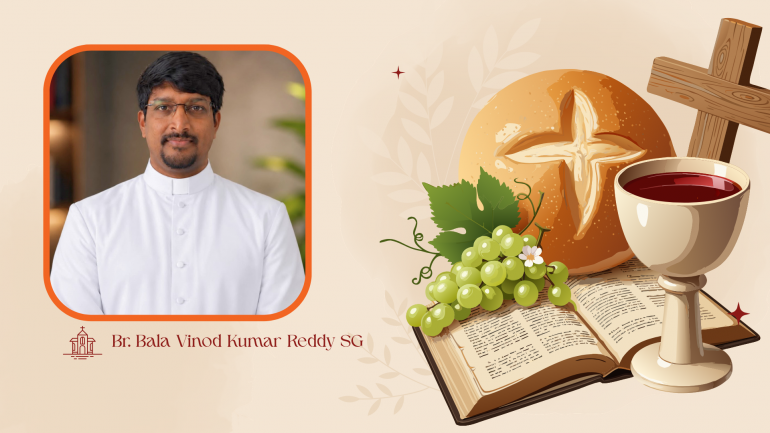
For Br Bala Vinod Kumar Reddy SG, President of the Conference of Religious India (CRI), Goa and Daman, the call to religious life is rooted in a desire to serve God and humanity. His own vocation grew through a desire to serve, particularly through education, formation and accompanying young people, inspired by the spirituality of St Louis de Montfort. “Through Mary to Jesus” remains central to his spirituality.
Religious life, he says, is not about having all the answers but about discovering God’s purpose each day. His message to young people is simple: “Listen deeply, pray courageously, and generously respond to God’s invitation.”
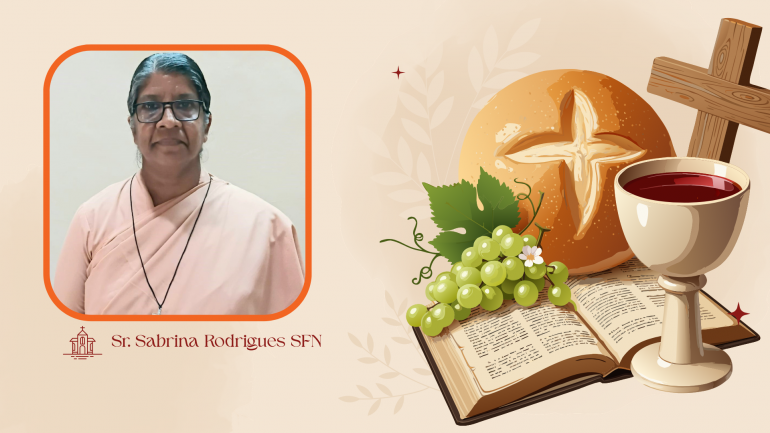
Sr. Sabrina Rodrigues SFN, Novice Mistress of the Congregation of the Sisters of the Holy Family of Nazareth, Sancoale in South Goa, observes that today’s candidates are different from those of previous generations. They are talented and have grown up in a fast-paced, digital and AI-driven culture.
She therefore stresses the importance of a synodal and holistic approach to human and spiritual formation. Formation, she says, should foster personal growth and real-life transformation while accompanying candidates as they learn to face the challenges of life.
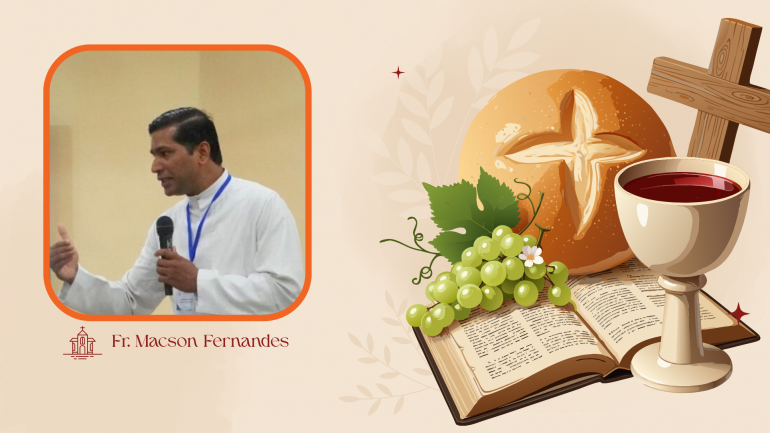
For those discerning the priesthood, the journey can be particularly demanding. Fr. Macson Fernandes, Professor of the Patriarchal Seminary of Rachol, identifies several challenges: difficulty hearing God’s voice amid contemporary distractions, family expectations, fear of lifelong commitment, negative perceptions of the priesthood, and a lack of holy priestly role models.
He proposes a personal encounter with Christ, silence and prayer, spiritual accompaniment, pastoral exposure and guidance in understanding the movements of one’s heart.
Discernment, therefore, is not simply about choosing a career. It is about learning to recognise where God is leading and having the courage to follow.
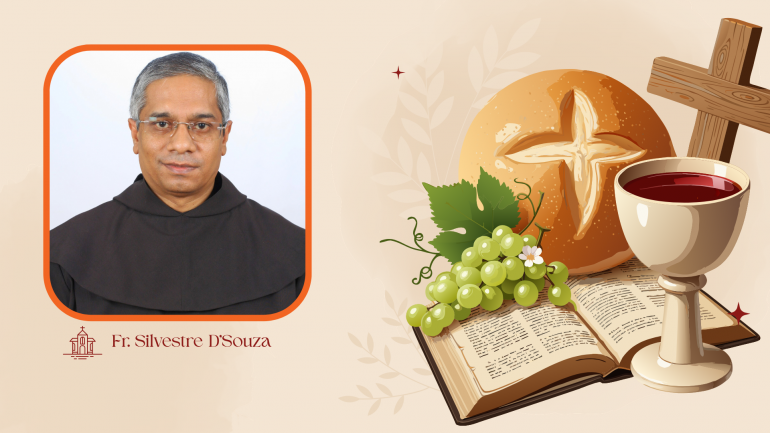
Fr. Silvestre D’Souza, First Councillor of the Provincial Council of the Karnataka-Goa Province of the Order of Discalced Carmelites, highlights another important dimension: the Church’s approach to vocation ministry. “It is God who calls,” he says, while the Church’s task is to help a person discern where God is leading.
He cautions against competition among dioceses and congregations to recruit vocations. Instead, he calls for a more synodal approach in which a person is genuinely accompanied, even when his or her vocation ultimately leads to another diocese or congregation.
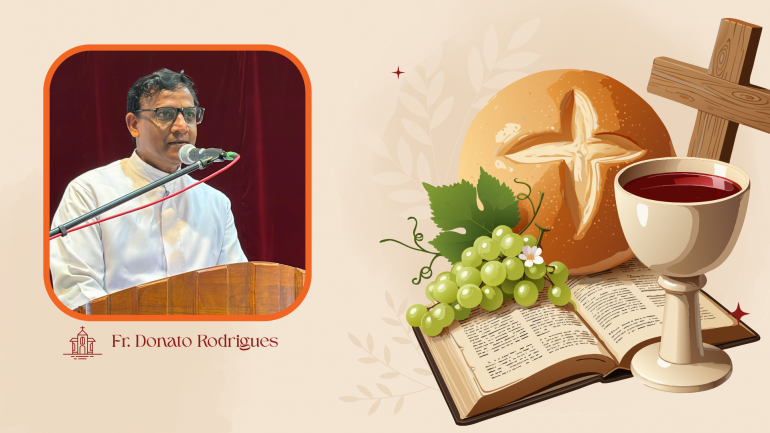
For Fr. Donato Rodrigues, Rector of the Patriarchal Seminary of Rachol, fostering a genuine culture of vocations begins with holiness in homes and parishes, where children can encounter God. “The Church should focus on creating a culture of holiness in homes and parishes, helping children experience God,” he says. Parents and elders can nurture this by speaking positively about priests and religious, praying for them, sharing saints’ stories and their good works. Joyful and holy witnesses, along with vocation activities in parishes, schools and catechism classes, can help young people discern God’s call.
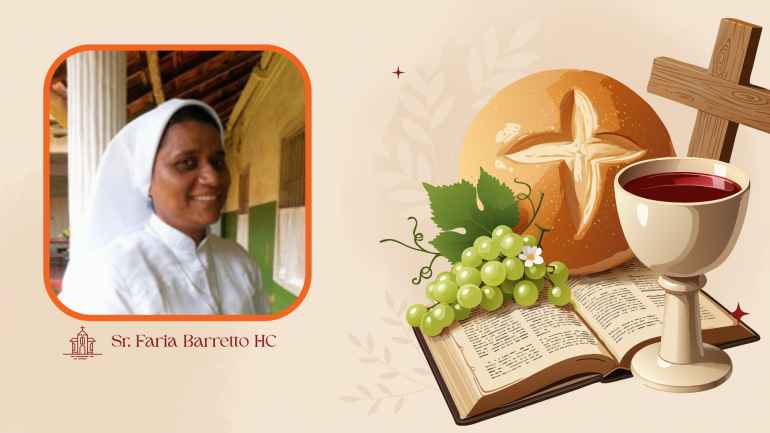
For women religious, the witness of consecrated persons remains particularly important. Sr. Faria Barretto HC, Superior General of the Congregation of the Handmaids of Christ, Calangute, believes that women religious must be “living witnesses, not perfect ideals.”
Young women, she says, can be drawn to consecrated life through persons who radiate Christ’s love. Her invitation is simple: walk with them, pray with them and invite them personally.
Let us know how you feel!
Comments



- Reply
Permalink