

Asian Seminaries Urged to Integrate Spirituality, Digital Awareness and Healing in Priestly Formation

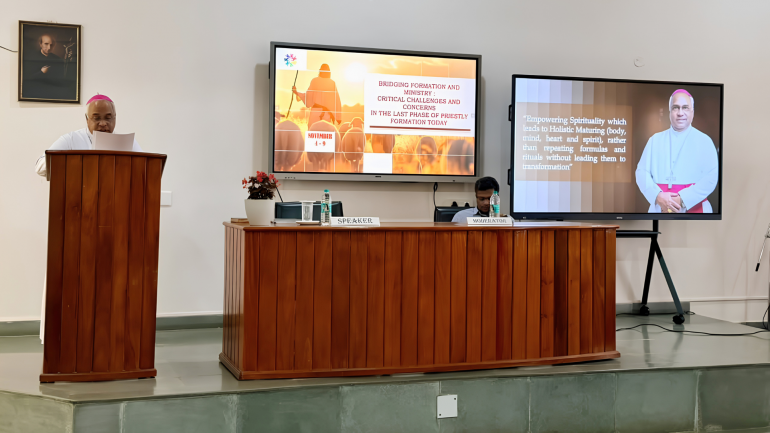
Catholic seminaries across Asia must move beyond numerical growth and address the spiritual, digital and psychological realities shaping candidates as they prepare for priestly ministry, speakers told an international gathering of about 100 participants in southern India.
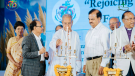
The presentations formed part of the November 5–9 symposium, “Bridging Formation and Ministry: Critical Challenges and Concerns in the Last Phase of Priestly Formation Today,” being held at Prabodhana, the Pallottine Institute of Theology in Mysuru, Karnataka, in the context of the Pallottine Platinum Jubilee.
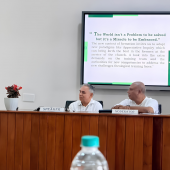
Three resource persons on November 7 highlighted the need for a more integrated approach to priestly formation, focusing on interior spirituality, digital culture and psychological healing.
Bishop Francis Serrão SJ of Mysore opened the day's deliberations by drawing on Sri Lankan theologian Aloysius Pieris' observation that Asian Christianity often has “too much religiosity and not enough spirituality.”
He called for a holistic understanding of spirituality integrating the body, mind, heart and soul, emphasizing that priestly formation must cultivate an interior relationship with God rather than rely primarily on external religious practices.
Referring to St. Teresa of Avila's invitation to encounter God “amidst pots and pans,” he encouraged formators to help candidates discover God's presence in ordinary life and daily responsibilities.
Fr. Dr. Joshy George Pazhukkathara CMI of Dharmaram Vidya Kshetram, Bengaluru, drew on Pope Leo XIV's 2026 encyclical Magnifica Humanitas to examine how seminaries should respond to emerging realities.
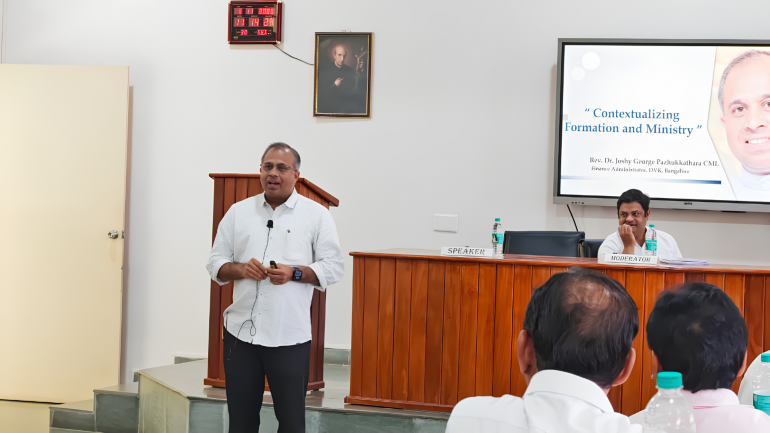
Using the biblical contrast between the Tower of Babel and the rebuilding of Jerusalem under Nehemiah, he cautioned against formation systems that produce uniformity through standardized routines. Instead, he advocated an approach that recognizes the individuality and responsibility of each candidate.
The final presentation examined the psychological and family dimensions of vocation.
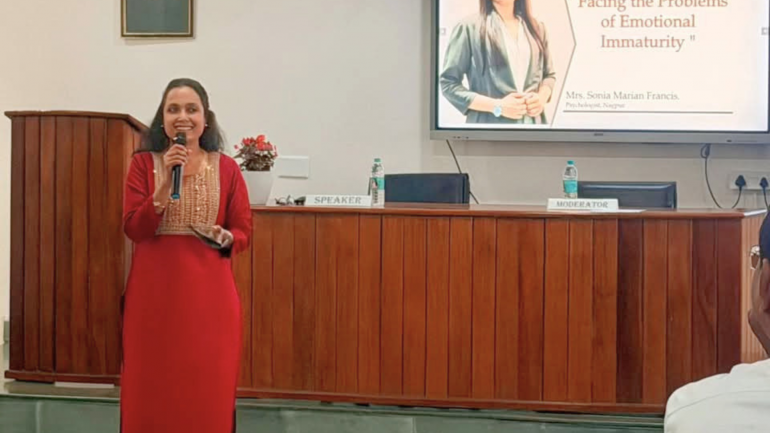
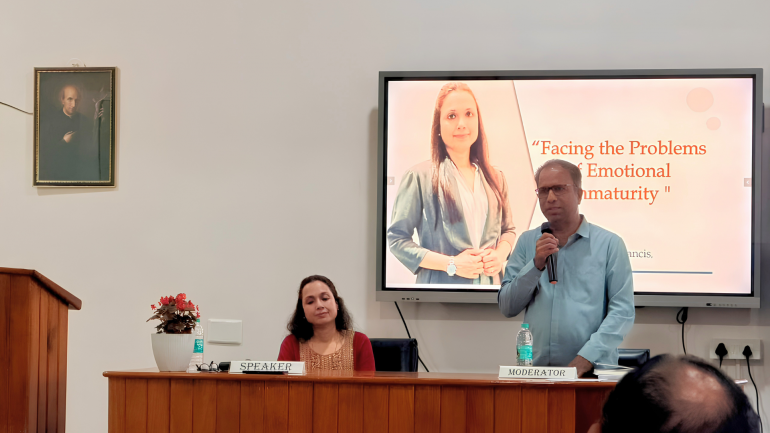
Ms. Sonia M. Francis, a psycho-spiritual counsellor from Nagpur, central India, emphasized that every vocation carries a personal and family history that influences an individual's emotional and spiritual development.
Migration, family fragmentation and unresolved emotional experiences can shape candidates' relationships and responses to ministry, she observed.
“A healed priest is not a priest without wounds,” she said, explaining that healing enables a priest to prevent personal wounds from controlling his relationships and pastoral responsibilities.
Her presentation highlighted the need for seminaries to give greater attention to emotional maturity and safeguarding alongside intellectual, spiritual and pastoral preparation, particularly as candidates approach ordination.
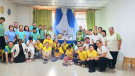
The November 7 deliberations formed part of the five-day symposium, which brings together about 100 participants to examine the challenges of preparing candidates for the transition from seminary formation to priestly ministry.
Radio Veritas Asia (RVA), a media platform of the Catholic Church, aims to share Christ. RVA started in 1969 as a continental Catholic radio station to serve Asian countries in their respective local language, thus earning the tag “the Voice of Asian Christianity.” Responding to the emerging context, RVA embraced media platforms to connect with the global Asian audience via its 21 language websites and various social media platforms.
Latest News