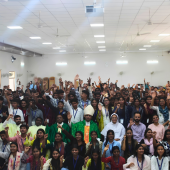


Bangladesh Alumni Flock to Notre Dame College Before Demolition of Beloved Harrington Building

A simple Facebook announcement from Notre Dame College (NDC), one of Bangladesh's most respected educational institutions, has stirred deep emotions among thousands of former students across the country.
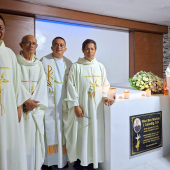
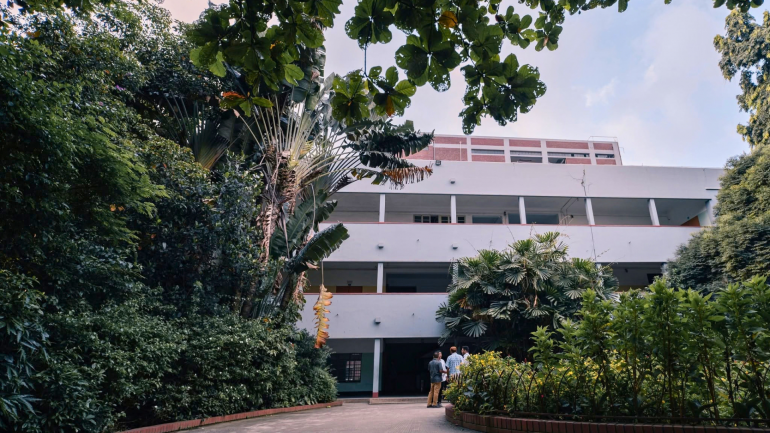
The post, issued by Principal Fr. Hemanto Pius Rozario, informed alumni that the college's original academic building, known as Father Harrington Bhaban, will be demolished to make way for a new multi-story structure. The replacement building, expected to rise eight stories high pending final approval, is part of the college's modernization plans.
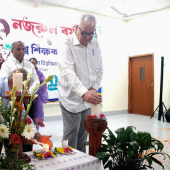
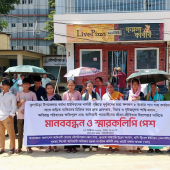
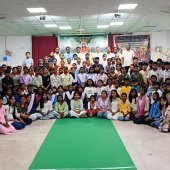
Before construction begins on October 1, alumni were invited to revisit the campus, walk through its corridors, and take photographs of a place that shaped generations of students over the past seven decades.
The response was overwhelming.
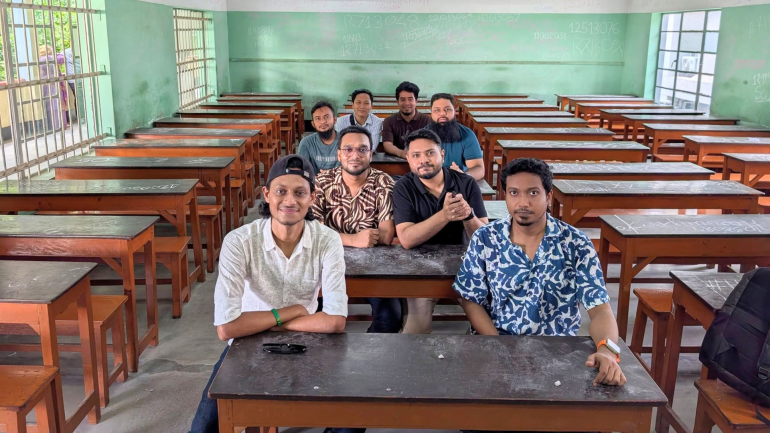
From September 15, former students began streaming onto the campus in large numbers. Many paused in front of familiar classrooms, sat once again on worn wooden benches, and shared memories on social media. For them, the aging building represents far more than bricks and concrete. It is a repository of dreams, friendships, and life-changing experiences.
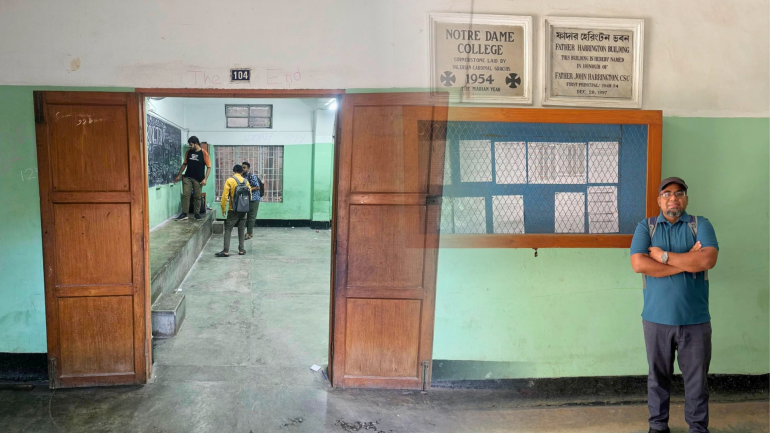
Father Harrington Bhaban stands at the heart of the 77-year-old Notre Dame College, founded and administered by the Congregation of Holy Cross. The building bears the name of Father Harrington, CSC, whose contribution remains deeply connected to the institution's history and mission.
Among those returning was Peter Roton Corraya, a Catholic and former national footballer.
"I sat on that very classroom bench in Room 112 after 44 years," he recalled on social media. "So many memories came flooding back. I am grateful to this college."
His experience echoes the sentiments of many former students who see Notre Dame College not only as an academic institution but also as a place that helped shape their lives.
Catholic alumnus Lawrence Janet Gomes described his final visit to the building as both nostalgic and meaningful.
"We are truly fortunate that we had the opportunity to visit Fr. Harrington Bhaban one last time," he wrote. "We wanted to preserve memories of our beloved classroom and the places where so many unforgettable moments of our lives were created."
Quoting a phrase familiar to generations of students, he added: "Once a Notre Damien, always a Notre Damien."
The emotional attachment transcends religious boundaries and reflects the diverse community that Notre Dame College has nurtured over the decades.
Muslim alumnus Morshedul Alam remembered Room 104, where he spent two formative years.
"Farewell to Fr. Harrington Bhaban, the heart of Notre Dame College," he wrote. "The building will soon be demolished, but the memories will always remain."
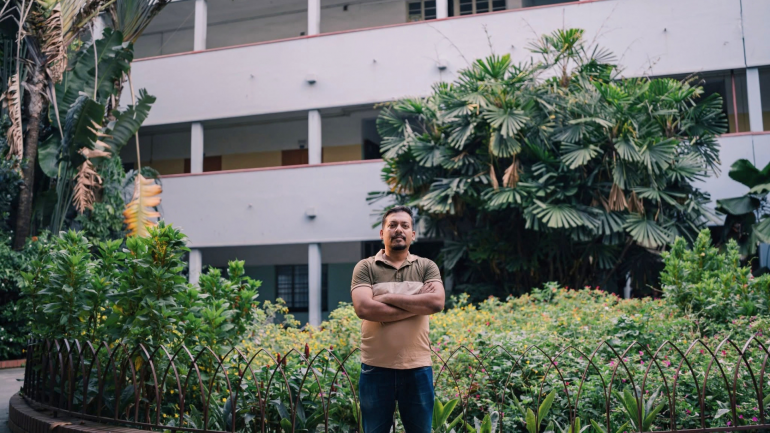
Another former student, Mohammad Mamim, shared a similar reflection.
"It's funny how a random room becomes the backdrop of your youth," he wrote. "Room 104 became home through quizzes, examinations, pressure, and unforgettable moments with friends. Knowing Harrington Bhaban is going to be demolished is tough. It feels like saying goodbye to a physical piece of our college days. But while the structure might come down, everything we built inside it stays with us."
For many alumni, the building symbolizes not only personal memories but also the enduring values promoted by the college.
Cornelius Milon D'Cruze, a Catholic educator at a private English-medium school, said the public reaction demonstrates the strong bond between the institution and its graduates.
"Hundreds upon thousands of alumni have been visiting the college to reminisce and preserve their memories one last time," he said. "Those who attended classes in this building over the college's long history naturally developed a unique emotional attachment to it."
He noted that Notre Dame College occupies a special place in the national educational landscape and in the hearts of former students.
For Christian leader Emanual Bappy Mondol, the college's influence extended far beyond academic achievement.
"Thirty years ago, we began our college journey with a dream to become good citizens and contribute meaningfully to our country and community," he said.
Describing Notre Dame College as a father figure in his life, Mondol said the institution helped shape his character, faith, and sense of responsibility.
"It guided me, shaped me, and taught me how to become a better human being," he said. "It enriched my life spiritually, socially, and academically, and taught me to carry strong moral values throughout my journey."
The building may soon disappear from the Dhaka skyline, but its legacy lives on in the lives of the students it helped form, reflecting the Holy Cross mission of education, character formation, and service that has defined Notre Dame College for 77 years.
Fr. George Kamal Rozario, CSC, Provincial of the Holy Cross Fathers in Bangladesh, told RVA News that the college authorities opened the historic building to alumni before demolition work begins on October 1. “Many former students have a deep emotional connection to this building,” he said. “Every day, hundreds of alumni are returning to the campus to visit their old classrooms, revisit cherished memories, and bid farewell to a place that shaped an important chapter of their lives.”
Radio Veritas Asia (RVA), a media platform of the Catholic Church, aims to share Christ. RVA started in 1969 as a continental Catholic radio station to serve Asian countries in their respective local language, thus earning the tag “the Voice of Asian Christianity.” Responding to the emerging context, RVA embraced media platforms to connect with the global Asian audience via its 21 language websites and various social media platforms.
Latest News