


On April 14, people across Bangladesh welcomed the Bengali New Year 1433, locally known as Pahela Boishakh, with hope, joy, and a renewed spirit.
Celebrated as the most important cultural festival of Bengali-speaking people, Pahela Boishakh is often described as a “festival of life.” Many believe the New Year symbolically wipes away past sorrows and ushers in peace, prosperity, and fresh beginnings.
From early morning, people from all walks of life took part in vibrant festivities. Fairs, cultural programs, music, and colorful processions filled streets, parks, and neighborhoods with energy and celebration.
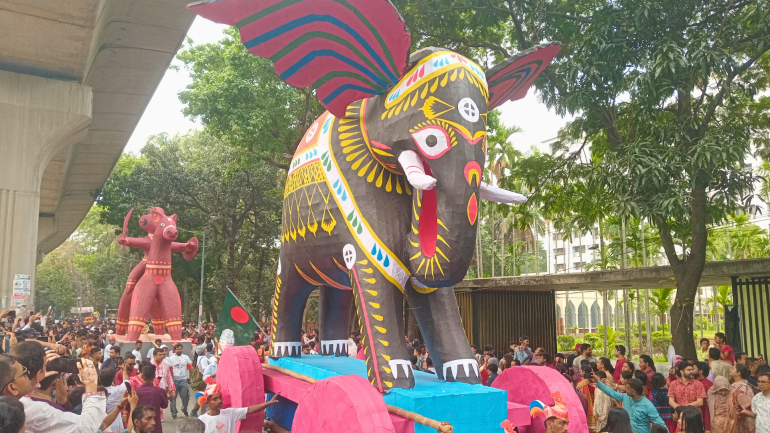
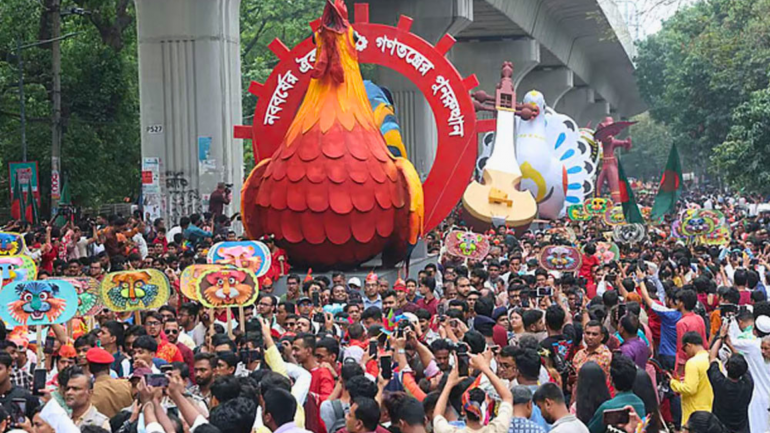
At the heart of the festivities is the iconic New Year procession known as the Mangal Shobhajatra, organized by students and faculty of University of Dhaka. Recognized by UNESCO as an “Intangible Cultural Heritage of Humanity,” the procession features large handcrafted masks, symbolic figures, and artistic displays that convey messages of justice, harmony, and resistance to oppression.
The day is widely regarded as a unifying celebration, going beyond religious boundaries and highlights the shared cultural heritage of Bangladesh. Over the decades, it has played a vital role in shaping a distinct Bengali identity rooted in language, tradition, and collective memory.
A major highlight each year is the traditional musical performance by Chhayanaut at Ramna Batamul, a historic park area in the capital, Dhaka. This tradition began in 1967 during the Pakistan era, when cultural expression became a form of peaceful resistance amid political and social tensions. This year’s theme, “Amar Mukti Aloy Aloy” (Bengali for “My liberation in the light”), reflected aspirations for freedom, enlightenment, and hope.
Participants emphasized the festival’s message of unity and harmony. Pobitro Biswas, a 76-year-old Hindu attendee, highlighted its inclusive nature. “People of all faiths take part in the Bangla New Year festival. It strengthens religious harmony,” he told RVA News. “It is our most universal celebration, and it helps us grow as a non-communal society.”
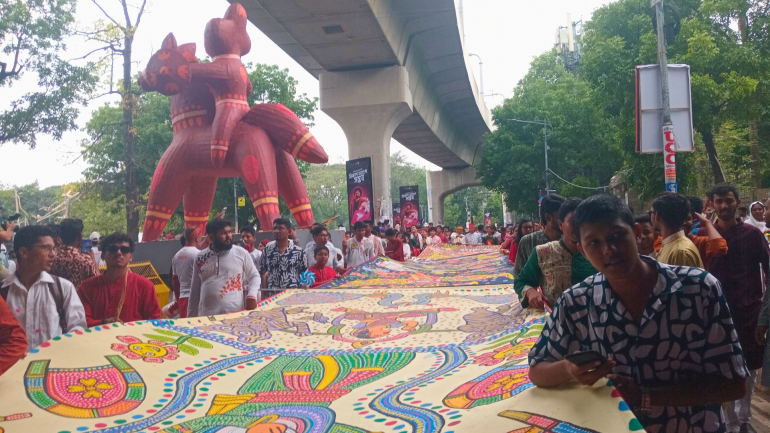
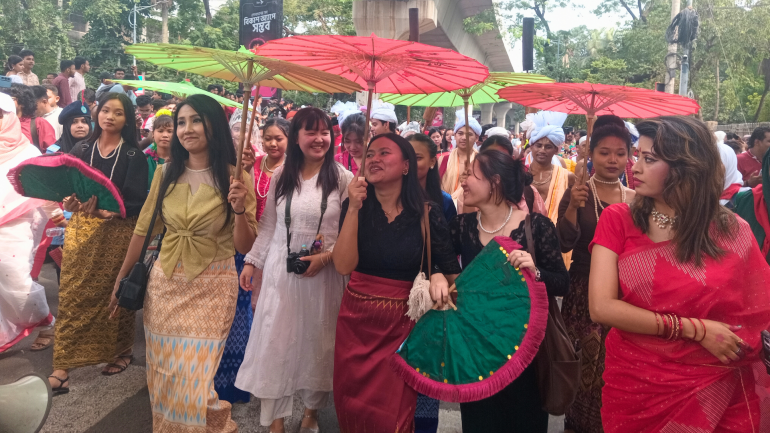
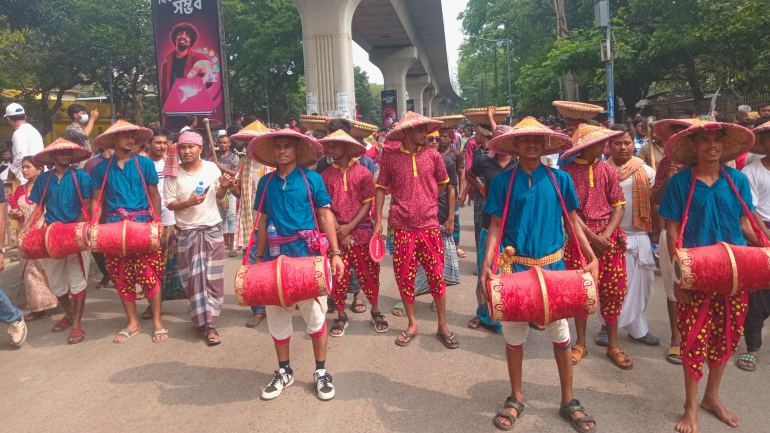
Nayon Costa, an NGO worker who joined a rally in Dhaka, said the procession carries a deeper social message. “It connects people with the ideals of justice over injustice and good over evil,” he explained. He also welcomed efforts to include ethnic and cultural minorities, noting that such participation fosters unity among Bangladesh’s diverse communities.
Young people expressed hope for the year ahead. Sumi Akter, a Muslim student at the University of Dhaka, said, “May the New Year bring meaningful in our thoughts and daily lives.”
Prime Minister Tarique Rahman extended greetings to citizens at home and Bengali-speaking communities worldwide. In his message, he described Pahela Boishakh as a reflection of the nation’s history, culture, and identity, encouraging people to leave behind past burdens and move forward with renewed hope.
Historians trace the origins of the Bengali calendar to the reign of Akbar in the 16th century. The calendar prosperity and well-being to all. Let it not remain a formality, but become was introduced to align agricultural cycles with tax collection. Over time, it became part of everyday life, with traders traditionally opening new account books, known as hal khata, at the start of the year, a practice that continues today.
As the sun rises on the Bengali New Year 1433, Bangladesh looks ahead with hope. Through music, color, and shared joy, Pahela Boishakh once again affirms the enduring spirit of unity in diversity.
Radio Veritas Asia (RVA), a media platform of the Catholic Church, aims to share Christ. RVA started in 1969 as a continental Catholic radio station to serve Asian countries in their respective local language, thus earning the tag “the Voice of Asian Christianity.” Responding to the emerging context, RVA embraced media platforms to connect with the global Asian audience via its 21 language websites and various social media platforms.
Latest News